Creating Ambiance with a Wabi-Sabi Paper Mache Pendant Lamp at Cafe Bar
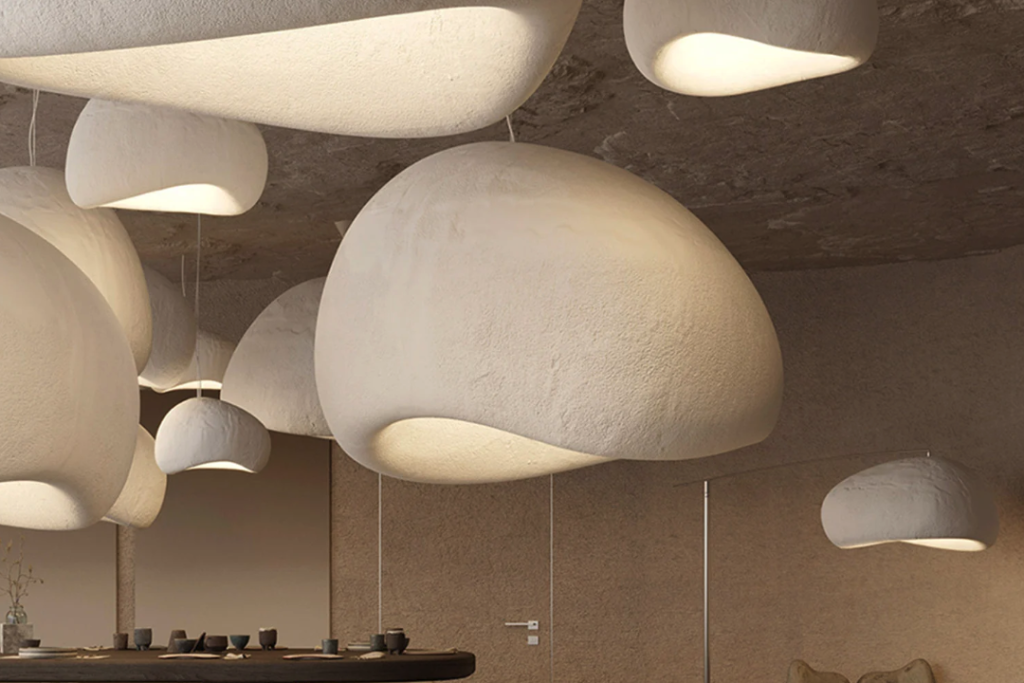
The core idea behind using a Wabi-Sabi paper mache pendant lamp in a cafe bar is to introduce a sense of humble, natural beauty that encourages relaxation and connection. It’s about crafting an atmosphere that feels genuine and inviting, rather than overtly polished or commercial. These lamps, with their inherent imperfections and organic textures, subtly shift the mood, fostering a space where people can unwind and appreciate the simple things.
Wabi-Sabi is more than just an aesthetic; it’s a philosophy that finds beauty in imperfection, transience, and the natural world. When applied to design, it translates into a preference for authentic materials, hand-crafted items, and a deliberate embrace of asymmetry and irregularity.
Embracing Imperfections
Think about the way a favorite old mug feels in your hand, or the character that develops in a wooden table over years of use. Wabi-Sabi celebrates these “flaws” – the slightly uneven glaze, the subtle scratches – as evidence of a story, of life lived. For a paper mache lamp Ckensu, this means the slight variations in texture, the handmade seams, and perhaps even a subtle crack or two, become part of its charm rather than something to be hidden. It’s a refreshing contrast to the mass-produced perfection we often encounter.
The Beauty of Transience
Nothing lasts forever, and Wabi-Sabi acknowledges this with grace. A paper mache lamp, while durable, has a delicate quality that reminds us of the ephemeral nature of things. It’s not about making something disposable, but rather appreciating its current state and understanding that change is a natural part of its existence. This can subtly influence how guests perceive their time in the cafe – a reminder to be present and enjoy the moment.
Natural and Organic Forms
Wabi-Sabi design draws heavily from nature. This is evident in the choice of materials, colors, and shapes. A paper mache lamp, particularly one made from recycled paper, inherently embodies this connection to the natural world. Its form might be inspired by pebbles, clouds, or the gentle curve of a branch, bringing an organic softness to a potentially stark commercial space. This natural feel can help to create a more biophilic environment, which has been shown to reduce stress and improve well-being.
Why Paper Mache for a Cafe Bar?
There’s a good reason to choose paper mache over other materials, especially for a cafe or bar setting. It offers a unique blend of practicality, aesthetics, and sustainability that aligns well with an authentic and inviting atmosphere.
Cost-Effective Charm
Compared to many other custom lighting solutions, paper mache is incredibly budget-friendly. The primary materials – paper, glue, and a balloon or mold – are inexpensive and readily available. This allows a cafe owner to achieve a custom, artisanal look without a significant financial outlay, leaving more budget for other essential cafe elements. This affordability also makes experimentation and replacement less daunting.
Lightweight and Versatile
Paper mache lamps are surprisingly light, making them easy to install and hang in various locations without requiring heavy-duty fixtures. This also allows for greater flexibility in terms of size and shape. You can create large, sculptural pieces that might be impractical with heavier materials, opening up a broader range of design possibilities. Imagine a cluster of different-sized, organically shaped pendants cascading from the ceiling – something much harder to achieve with metal or glass.
Sustainable and Eco-Friendly
In an age where environmental consciousness is increasingly important, using recycled paper for your lamps sends a positive message. It demonstrates a commitment to sustainability and can resonate with environmentally-aware customers. This can be a subtle but powerful way to communicate your cafe’s values, enhancing its brand identity as a conscientious establishment. Choosing a biodegradable material like paper mache further minimizes your cafe’s environmental footprint.
Unique Textural Qualities
The raw, slightly irregular texture of paper mache is its signature. It absorbs and diffuses light in a soft, warm way, creating a cozy and inviting glow. This tactile quality is something often missing in highly polished, uniform materials. It adds depth and visual interest, making the lamp more than just a light source, but a piece of art that invites closer inspection and appreciation. The subtle imperfections in the surface create interesting shadows and highlights, adding another layer of visual intrigue.
Designing Your Wabi-Sabi Paper Mache Pendant
Creating a Wabi-Sabi paper mache pendant isn’t about rigid rules, but rather an intuitive process that embraces the natural characteristics of the material and the philosophy itself.
Choosing Your Foundation
The base shape is crucial. Think about organic forms found in nature. A simple round balloon is a common starting point, but you could also use an inflatable exercise ball for a larger form, or even sculpt a more irregular shape using chicken wire or crumpled paper.
- Balloon Base: Easy to find, creates a smooth, rounded interior. Varying sizes offer flexibility.
- Exercise Ball: For larger, more dramatic pendants.
- Sculpted Forms: For abstract, organic shapes. Chicken wire provides a sturdy armature for more complex designs, while crumpled newspaper adds initial bulk.
The idea isn’t to create a perfectly symmetrical sphere, but rather to allow for subtle variations and natural curves. Embracing a slightly flattened side or an elongated oval contributes to the Wabi-Sabi aesthetic.
Paper Selection and Preparation
The type of paper you use will greatly influence the final texture and light diffusion.
- Recycled Newspaper/Magazines: Readily available, cost-effective, and environmentally friendly. The printed text can create interesting subtle patterns when lit. Cut or tear into strips – tearing generally creates softer, more organic edges than cutting.
- Brown Packing Paper/Kraft Paper: Offers a more uniform and natural tone. Its slightly thicker quality can also add more rigidity.
- Tissue Paper: For a more translucent, airy feel. Can be layered for varying levels of opacity.
It’s helpful to tear the paper into irregular strips rather than cutting them perfectly straight. This further emphasizes the handmade, imperfect quality we’re aiming for. Consider soaking some of the paper in water first to make it more pliable and easier to mold.
The Art of Layering
This is where the magic happens. Apply layers of paper strips saturated in a simple paste (a mix of flour and water, or PVA glue diluted with water).
- Irregular Layers: Don’t strive for perfect symmetry or evenness. Allow for overlapping, slight wrinkles, and varying thicknesses. This creates depth and visual interest.
- Building Texture: As you layer, you can gently crumple or pinch some areas to create subtle textural variations. The aim is to make it look naturally formed, like a weathered stone or a cloud.
- Drying Time: Allow each layer to dry completely before adding the next, especially in humid climates, to prevent mold and ensure structural integrity. This also allows for careful shaping and refinement as you go.
Think about how the light will interact with the textured surface. Areas with more layers will appear darker, while thinner spots will allow more light to filter through, creating a dynamic interplay of light and shadow.
Finishing Touches (or lack thereof)
Wabi-Sabi thrives on a lack of excessive embellishment.
- Natural Finish: Often, the lamp looks best in its raw, unpainted state. The natural color of the paper and glue provides a warm, earthy tone.
- Subtle Stains/Dyes: If you want to introduce color, opt for natural dyes like tea or coffee stains for a muted, organic palette. Apply them unevenly to allow for variations in shade.
- Minimal Sealing: A matte sealant can protect the lamp from dust and moisture, but avoid glossy finishes that detract from the natural texture. A very thin, almost invisible layer is ideal.
The goal is to let the material speak for itself, rather than overpowering it with artificial color or shine. Avoid any attempt to hide the handmade quality; instead, highlight it.
The Practicalities of Installation
While the aesthetic is rooted in imperfection, the electrical installation needs to be safe and compliant.
Choosing the Right Light Source
The bulb you choose will significantly impact the ambiance.
- Warm LED Bulbs (2200K-2700K): Essential for that cozy, inviting glow. Avoid bright white or cool-toned bulbs, as they counteract the Wabi-Sabi feel.
- Dimmable Options: Allowing you to adjust the light intensity throughout the day or evening. This is a crucial element for creating different moods and adapting to various cafe bar activities, from a bright lunch rush to an intimate evening setting.
- Low Wattage: Since paper mache diffuses light so effectively, you generally won’t need high-wattage bulbs. Lower wattage also contributes to energy efficiency.
- Edison-style Filament Bulbs: These can add a vintage touch and produce a very warm, inviting light, further enhancing the overall aesthetic. However, ensure they are LED versions to avoid excessive heat.
Safety is paramount. Ensure the bulb does not touch the paper mache and that there is adequate ventilation within the lamp. LED bulbs produce significantly less heat than traditional incandescent bulbs, making them a safer choice for paper objects.
Secure Wiring and Fixtures
Consult with an electrician or use a pre-made pendant light kit to ensure safe and robust wiring.
- Standard Pendant Kits: These are widely available and include the necessary wiring, bulb socket, and ceiling canopy. Look for kits specifically designed for hanging lamps.
- Proper Weight Distribution: Even though paper mache is light, the fixture needs to be securely attached to the ceiling. Ensure the mounting hardware is appropriate for the weight and type of ceiling material.
- Heat Dissipation: While LED bulbs generate minimal heat, consider adding a small metal ring or baffle around the bulb socket to further protect the paper mache from any residual warmth.
A secure installation is not just about safety, but also about the longevity of the lamp and maintaining the desired aesthetic. A poorly hung lamp can look cheap and distract from the overall design.
Optimal Placement for Impact
Where you hang the lamp makes a huge difference to the overall atmosphere.
- Over Tables: Hanging pendants low over individual tables creates an intimate, personal space for diners, fostering conversation and a sense of privacy.
- Above the Bar Counter: A line of pendants along the bar can highlight the cocktails and create a focal point, drawing customers in.
- Clusters in Open Spaces: Grouping several lamps of varying sizes and heights in a lounge area or near a window can create a striking and artistic installation, adding visual interest and breaking up large spaces.
- Varying Heights: Don’t be afraid to hang lamps at different heights to create visual dynamism and prevent a uniform, sterile look. This mimics the organic irregularity of nature.
Consider the existing lighting in the cafe bar. The paper mache pendants should complement, not compete with, ambient lighting. They are often best used as accent lighting, providing warmth and focus.
Enhancing the Cafe Bar Experience
A Wabi-Sabi paper mache lamp isn’t just about lighting; it’s about contributing to a holistic sensory experience that keeps customers coming back.
Cultivating a Relaxing Atmosphere
The soft, diffused light from these lamps creates an immediate sense of calm. Harsh, bright overhead lighting can feel sterile and uninviting, whereas the warm glow of a Wabi-Sabi pendant encourages people to slow down and linger. This relaxed environment is conducive to deep conversations, focused work, or simply enjoying a quiet moment with a cup of coffee. It moves away from the rushed, transactional feel of many modern establishments.
Encouraging Connection and Conversation
The intimate lighting fosters a sense of closeness. Guests feel more at ease, leading to more open and genuine interactions. When people aren’t bathed in bright, unforgiving light, they tend to relax their guard.
- Softer Tones: The warm light literally softens complexions, making people feel more comfortable in their skin.
- Reduced Glare: Less harsh light means less squinting and more eye contact, which is fundamental to connection.
The ambient light itself becomes a conversation starter, subtly reflecting the cafe’s personality and values.
A Unique Visual Identity
In a crowded market, standing out is crucial. A custom-made Wabi-Sabi paper mache pendant lamp offers a distinctive design element that elevates your cafe bar beyond the generic.
- Handmade Authenticity: It signals an appreciation for craftsmanship and uniqueness, suggesting that the cafe also values authentic, quality products in its food and beverages.
- Storytelling Potential: Each lamp, with its unique imperfections, tells a subtle story. This can be integrated into the cafe’s wider narrative about valuing nature, sustainability, or artisanal quality.
- Photogenic Qualities: In the age of social media, unique design elements are highly shareable. A well-lit, distinctive lamp can become a popular backdrop for customer photos, generating organic marketing for your establishment.
This unique visual identity isn’t just about looking good; it’s about conveying a carefully considered brand that prioritizes comfort, authenticity, and a welcoming atmosphere. It contributes to making your cafe bar a memorable destination rather than just another place to grab a coffee.