Elegant Touch Control Track Lighting with Paper Lantern Finish

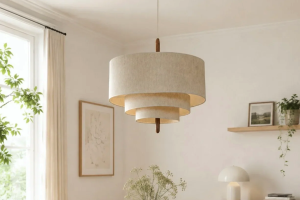
So, what exactly is ‘Elegant Touch Control Track Lighting with Paper Lantern Finish’? Simply put, it’s a lighting system that combines the flexibility of track lighting with the soft, diffused glow of a paper lantern, all controllable with a simple touch. Imagine being able to direct light precisely where you need it, then having that light filtered through a beautiful, natural material that adds warmth and character to your space. It’s a fantastic way to achieve both practical illumination and a cozy, inviting atmosphere, moving beyond the usual starkness often associated with traditional track lighting.
The Allure of Paper Lanterns in Modern Lighting
Paper lanterns have a rich history, deeply rooted in various cultures, particularly in Asia. Their appeal isn’t just aesthetic; it’s also about the quality of light they produce. Unlike harsh, direct light sources, paper lanterns diffuse illumination, creating a soft, ambient glow that is incredibly flattering and calming. This inherent characteristic makes them a wonderful choice for environments where comfort and mood are paramount.
A Brief History of Paper Lanterns
For centuries, paper lanterns have served as both functional light sources and decorative elements. Originating in China, they spread throughout Asia, becoming integral to festivals, ceremonies, and everyday life. Early lanterns were often illuminated by candles or oil lamps, making the paper crucial for diffusing the intense flame and preventing glare. Over time, designs evolved, incorporating intricate patterns, calligraphy, and diverse shapes, but the fundamental principle of a translucent paper shade remained. This long-standing tradition speaks volumes about the timeless appeal and effectiveness of paper as a light-diffusing material.
Why Paper Lanterns Remain Relevant Today
In an age dominated by LED and smart lighting, the humble paper lantern might seem anachronistic. However, its relevance endures precisely because of its unique qualities. Modern interiors often gravitate towards minimalist aesthetics, but sometimes that can feel a bit cold. The organic texture and warm diffusion of a paper lantern provide a much-needed counterpoint, adding softness and a touch of artisanal charm. They introduce a natural element that contrasts beautifully with sleek, contemporary finishes, preventing a room from feeling overly sterile. Furthermore, the sustainability aspect of paper, particularly if responsibly sourced, aligns well with current eco-conscious design trends.
The Art of Light Diffusion
The magic of a paper lantern lies in its ability to transform raw light into something softer, more inviting. When light passes through paper, it gets scattered in multiple directions, reducing glare and harsh shadows. This diffusion creates a more even, ambient illumination that is much more comfortable for the eyes. Think about the difference between a bare light bulb and a shaded lamp – the latter is almost always preferred for creating a relaxed atmosphere. Paper lanterns excel at this, making them ideal for living areas, bedrooms, or even commercial spaces where a welcoming vibe is desired.
Understanding Track Lighting Fundamentals
Track lighting is a highly versatile and adaptable lighting system. Instead of individual fixtures wired into the ceiling, track lighting uses a continuous track that houses electrical conductors. Light fixtures, often called “heads,” can be attached anywhere along this track, and their positions can be easily adjusted. This flexibility is its greatest strength, allowing users to direct light exactly where it’s needed, adapting to changing room layouts or highlighting specific features.
Components of a Track Lighting System
A basic track lighting system consists of a few key components. First, there’s the track itself, which is typically a metal channel available in various lengths and finishes. This track is mounted to the ceiling or wall and contains the electrical wiring. Next, you have the track heads or fixtures. These are the actual light sources, which can range from spotlights to floodlights, and in our case, fixtures designed to incorporate paper lantern shades. Connectors are used to join multiple track sections, create corners, or power the track from a central junction box. Finally, a power feed connects the track to your home’s electrical supply. Understanding these parts helps you appreciate the modularity and ease of installation inherent in track lighting.
Types of Track Systems
While the concept is generally the same, there are a few different types of track lighting systems, primarily differentiated by their voltage and how fixtures connect.
- J-Type (Juno), H-Type (Halo), and L-Type (Lightolier): These are the three most common low-voltage systems, each with a slightly different rail profile and connector style. It’s crucial to stick to one type throughout your system, as fixtures from one type aren’t typically compatible with another. These systems are popular for residential and light commercial use due to their safety and ease of installation.
- Line Voltage vs. Low Voltage: Most residential track lighting uses line voltage (120V in North America). This means the fixtures operate directly from your household current. Low voltage systems, on the other hand, require a transformer to step down the voltage, often to 12V or 24V. While low voltage systems can offer smaller fixture sizes and brighter, more focused beams, line voltage is generally simpler for most home installations. Our focus here is primarily on line voltage systems due to their prevalence and straightforward nature.
Advantages of Track Lighting
The benefits of track lighting are numerous, making it a popular choice for many applications.
- Flexibility and Adaptability: This is arguably its greatest asset. You can add, remove, or reposition fixtures along the track with ease, allowing you to reconfigure your lighting scheme as your needs change.
- Directional Control: Most track heads are adjustable, allowing you to pivot, tilt, and rotate them to direct light precisely where you want it. This is invaluable for accentuating artwork, illuminating task areas, or creating dramatic effects.
- Layered Lighting: Track lighting is excellent for creating layered lighting. You can have some fixtures providing ambient light, others highlighting architectural features, and still others focused on task areas, all from a single system.
- Space Saving: By consolidating multiple light sources onto a single track, you can avoid cluttering your ceiling with numerous individual fixtures.
- Aesthetic Appeal: Modern track lighting systems are often sleek and minimalist, blending seamlessly with contemporary decor. When combined with a paper lantern finish, they offer a unique blend of modern functionality and organic warmth.
The Ingenuity of Touch Control
Touch control technology has become increasingly ubiquitous in our daily lives, from smartphones to appliances. Integrating this intuitive interface into lighting systems offers a convenient and modern way to interact with your environment. For track lighting, it means eliminating the need for traditional wall switches or remote controls for basic adjustments, simplifying the user experience considerably.
How Touch Control Works in Lighting
At its core, touch control in lighting systems typically relies on capacitive sensing. A small electrical field is generated around the touch-sensitive surface. When a conductive object, like a human finger, approaches or makes contact with this surface, it disrupts the electrical field. This disruption is then detected by a micro-controller, which interprets it as a command – perhaps to turn the light on, off, or dim it. The beauty of this system is its simplicity and lack of moving parts, contributing to its durability and sleek design. In the context of track lighting, this touch interface can be integrated directly into each individual fixture or a centralized control point on the track itself.
Benefits of Touch-Activated Lighting
The advantages of touch control go beyond mere novelty; they offer practical improvements to how we interact with our lighting.
- Intuitive Operation: There’s a natural, almost instinctive feel to simply touching a fixture to control it. It bypasses the need to remember switch locations or fumble for remotes, especially in a dark room.
- Sleek Aesthetics: Touch controls eliminate the need for bulky switches or pull chains, contributing to a cleaner, more minimalist look for the lighting fixture itself. This is particularly appealing when paired with the elegant simplicity of a paper lantern.
- Enhanced Convenience: Imagine being able to adjust the brightness or turn off a specific light simply by reaching up and touching its shade, without having to get up and walk to a wall switch. This is especially useful in multi-fixture track systems where you might want to adjust individual lights independently.
- Durability and Reliability: With fewer mechanical parts, touch sensors tend to be more durable and less prone to wear and tear compared to traditional mechanical switches.
Integrating Touch Control into Track Fixtures
For track lighting, touch control can be implemented in a couple of ways. One common method is to embed the touch sensor directly into the housing of each individual track head. This allows for independent control of each paper lantern fixture along the track. A simple tap might turn it on/off, while a sustained touch could activate dimming. Another approach, though less common for individual fixture control, might involve a touch-sensitive panel on the track itself that controls zones or groups of fixtures. The most practical and user-friendly integration for the ‘Elegant Touch Control Track Lighting with Paper Lantern Finish’ would be individual touch control on each lantern, allowing for granular adjustments to light levels and presence.
Designing with Elegant Touch Control Track Lighting
Integrating this specialized lighting system into your home requires a thoughtful approach to design. It’s not just about installing lights; it’s about crafting an atmosphere, highlighting features, and ensuring functionality meets aesthetics. The combination of track lighting’s flexibility and the paper lantern’s soft glow offers unique opportunities.
Selecting the Right Location and Layout
The first step is to consider where this lighting system will best serve your needs. Because of its diffused light, it’s particularly well-suited for areas where ambient and accent lighting are desired, rather than intense task lighting (though it can contribute to task lighting when combined with other sources).
- Living Rooms: Excellent for creating a warm, inviting atmosphere, highlighting artwork, or illuminating shelves.
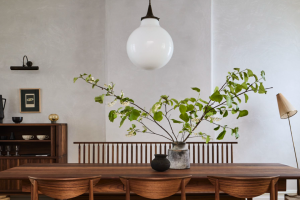
- Dining Areas: Can provide soft, flattering light over a dining table, adjustable for different moods.
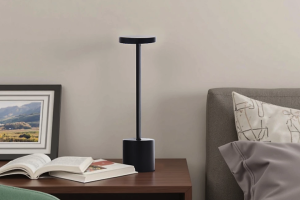
- Bedrooms: Ideal for ambient lighting, reading nooks, or illuminating specific furniture pieces without harshness.
- Hallways and Entryways: Offers a welcoming glow and can draw attention to decorative elements.
When planning the layout, think about the path of the track. Does it follow a wall to highlight a gallery? Does it run centrally to provide overall illumination? Consider where you need power drops and how many fixtures you’ll likely need to achieve adequate light levels. Remember the inherent flexibility – you’re not locked into a permanent fixture placement.
Choosing Paper Lantern Styles and Sizes
The “paper lantern finish” isn’t a single look; it encompasses a variety of styles, shapes, and textures. This is where you can truly personalize your lighting.
- Shapes: Spherical, cylindrical, rectangular, or even more abstract geometric forms are available. The shape will influence how the light is cast and the overall aesthetic.
- Materials: While “paper” is the primary material, variations exist. Rice paper, mulberry paper, or even modern synthetic papers that mimic the look and diffusion of traditional paper can be used. Some might have subtle textures or embedded natural fibers.
- Colors: While white and off-white are classic for maximum diffusion, subtle tints can add a hint of color to the emitted light or the fixture itself when off.
- Sizes: The size of the lantern shade should be proportionate to the room and the desired impact. Larger shades can make a statement, while smaller ones might be more subtle or used in greater numbers.
Consider the overall décor of your room. A minimalist, cylindrical lantern might suit a modern space, while a more traditional spherical lantern could complement a Scandinavian or organic-themed interior.
Integrating with Existing Decor and Lighting
This track lighting system offers a distinct aesthetic, so think about how it will harmonize with your existing furniture, finishes, and other light sources.
- Contrast or Complement: Does the organic nature of the paper lantern provide a pleasing contrast to sleek metal furniture, or does it complement a natural wood theme?
- Layering Light: No single lighting system typically provides all the light a room needs. Consider how this track lighting will work with recessed lighting (for general ambient light), floor lamps (for task lighting or reading), or table lamps (for accent and mood). The paper lantern track lighting is excellent for adding a soft, decorative layer that enhances the overall warmth.
- Color Temperature: Most paper lanterns diffuse light warmly, so consider using bulbs with a “warm white” color temperature (around 2700K-3000K) to maintain that cozy glow. If you have other lights in the room, try to match their color temperature for a cohesive look.
- Dimming Capabilities: The touch control system should ideally include dimming. This is crucial for adapting the light to different activities and moods, allowing the paper lanterns to transition from a gentle glow to a brighter, more functional light.
Maintenance and Care for Paper Lantern Shades
Paper is a delicate material, so proper care is essential to maintain the beauty and longevity of your lantern shades.
- Dusting: Regularly dust the shades with a soft, dry cloth or a feather duster. Avoid using abrasive cleaners or wet cloths, as they can damage the paper.
- Cleaning: For more stubborn marks, a very slightly damp cloth can be used with extreme caution on durable paper types, but always test in an inconspicuous area first. For most paper, a dry art eraser can sometimes lift light smudges.
- Protection from Moisture: Keep paper lanterns away from areas with high humidity or direct exposure to moisture, which can cause warping, staining, or mold growth.
- Handling: Always handle the shades gently, as paper can tear easily. When repositioning track heads, be mindful of not pressing or bending the shades.
- Bulb Heat: Ensure you use bulbs that do not generate excessive heat, as this can yellow or brittle the paper over time. LEDs are ideal for this as they run much cooler than incandescent bulbs.
- Replacement: Over many years, even with care, paper may naturally age or become damaged. The modular nature of track lighting means you can often replace individual lantern shades or entire track heads if needed, allowing you to refresh the look without replacing the entire system.
Practical Considerations and Installation Tips
Getting your Elegant Touch Control Track Lighting set up involves more than just aesthetics; there are practical steps and considerations to ensure a smooth installation and optimal performance.
Electrical Requirements and Safety
Before you start any installation, always prioritize electrical safety. If you’re not comfortable working with household wiring, it’s always best to hire a qualified electrician.
- Circuit Capacity: Ensure the circuit you plan to connect the track lighting to has sufficient capacity to handle the total wattage of all the fixtures you intend to install. Overloading a circuit can trip breakers or, worse, pose a fire hazard.
- Power Source: Track lighting typically needs to be connected to a junction box in the ceiling or wall where existing electrical wiring is present. You’ll need to turn off the power at your main breaker panel before beginning any work.
- Grounding: Proper grounding is essential for safety. Ensure the track and all fixtures are correctly grounded according to manufacturer instructions and local electrical codes.
- Voltage: Most residential track lighting operates on standard line voltage (120V). Ensure your chosen system matches your home’s electrical supply.
- Local Codes: Always check your local electrical codes and regulations. Some areas may have specific requirements for track lighting installation.
Installation Process Overview
While specific steps will vary by manufacturer, here’s a general overview of installing track lighting:
- Turn Off Power: Locate the circuit breaker for the area you’re working in and switch it off. Verify the power is off using a non-contact voltage tester.
- Mount the Track: Securely attach the track sections to the ceiling or wall using the provided mounting hardware. Ensure the track is straight and level. Use anchors if mounting into drywall.
- Connect Power Feed: Connect the power feed component to the existing electrical wires in your junction box. This typically involves connecting hot, neutral, and ground wires.
- Assemble and Install Fixtures: Attach the paper lantern fixtures to the track. Most track heads simply twist or click into place. Ensure they are securely locked onto the track and making proper electrical contact.
- Install Bulbs: Screw in the appropriate LED bulbs into each fixture. Ensure they are compatible with the fixture and any dimming capabilities.
- Test: Once all fixtures are installed, turn the power back on at the breaker panel. Test each fixture’s touch control functionality, including on/off and dimming.
Choosing the Right Bulbs
The type of bulb you choose will significantly impact the quality of light and the performance of your paper lantern track lighting.
- LED Bulbs: These are highly recommended. They are energy-efficient, long-lasting, and, crucially, produce very little heat. This is important for paper shades, as excessive heat can cause damage or discoloration over time.
- Color Temperature: For the warm, inviting glow associated with paper lanterns, opt for LED bulbs with a “warm white” color temperature, typically in the range of 2700K to 3000K.
- Dimmable: To fully leverage the touch control’s dimming capabilities, ensure you choose “dimmable” LED bulbs. Not all LED bulbs are dimmable, and using non-dimmable bulbs on a dimming circuit can lead to flickering or damage.
- Wattage (Equivalent): While LEDs consume less power, they are often rated by their incandescent equivalent wattage (e.g., “60W equivalent”). Choose a brightness that suits your needs, remembering that the paper shade will diffuse and soften the output.
Troubleshooting Common Issues
Even with careful installation, minor issues can sometimes arise.
- No Power to Track: Double-check the circuit breaker. Ensure the power feed is correctly wired to the junction box, and all connections are secure.
- Individual Fixture Not Working: Remove and re-seat the fixture on the track. Ensure it’s twisted into the correct position to make electrical contact. Check the bulb; it might be faulty.
- Flickering or Inconsistent Dimming: This is almost always due to incompatible dimmable bulbs or a dimmer switch not designed for LEDs. Ensure you are using dimmable LEDs and, if applicable, that your touch control system is compatible with LED dimming.
- Touch Control Unresponsive: Ensure the touch surface is clean and dry. Sometimes a power cycle (turning the circuit breaker off and on again) can reset the sensor. If an individual fixture’s touch control consistently fails, the sensor itself might be faulty, requiring a replacement fixture or part.
- Loose Fixtures: Over time, vibrations or accidental bumps can loosen fixtures on the track. Gently re-tighten or re-seat them according to the manufacturer’s instructions.
By keeping these practical considerations in mind, you can ensure your Elegant Touch Control Track Lighting with Paper Lantern Finish not only looks beautiful but also functions flawlessly for years to come, providing a unique blend of modern convenience and timeless charm.