Efficient Solid Walnut LED Office Lighting
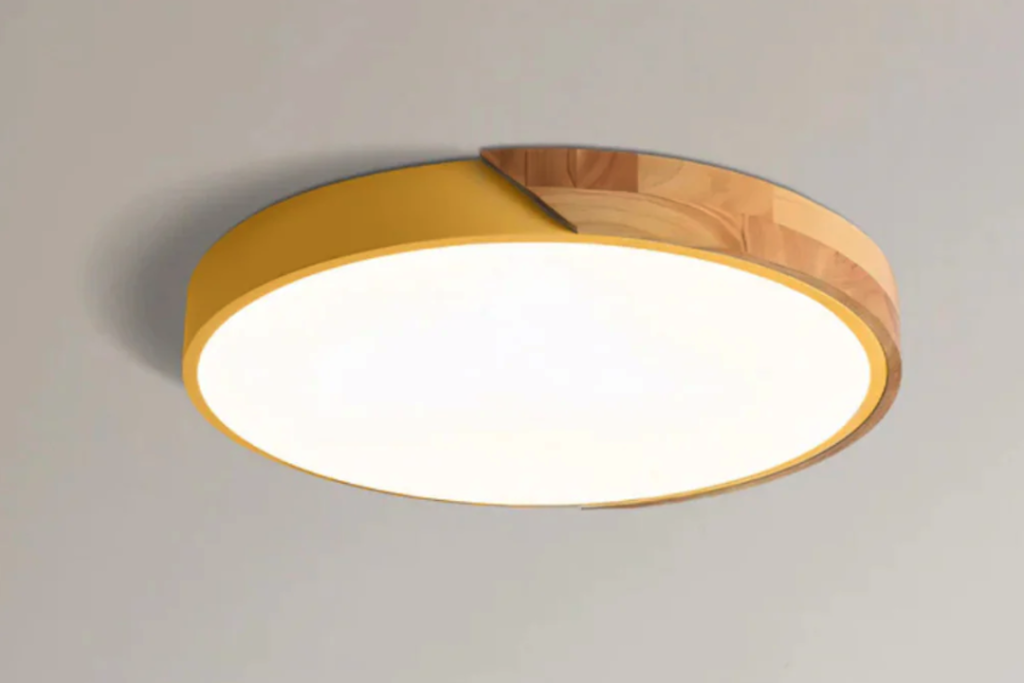
When it comes to outfitting your office with lighting, especially if you’re aiming for something beyond the typical, solid walnut LED office lighting offers a blend of natural appeal and modern efficiency that can truly transform your workspace. It’s not just about illumination; it’s about creating an atmosphere that’s both productive and aesthetically pleasing. This type of lighting combines the warmth and character of real walnut wood with the practical, energy-saving benefits of LED technology.
Choosing solid walnut for office lighting Voilok is a deliberate decision, moving away from generic plastic or metal fixtures. Walnut brings a touch of organic elegance and durability, while LEDs provide the functional backbone for an efficient workspace.
The Allure of Solid Walnut
There’s something inherently inviting about natural wood, and walnut, with its rich, deep tones and distinctive grain, stands out.
Natural Aesthetics and Warmth
Unlike industrial-looking materials, walnut adds a sense of natural warmth and sophistication. It can soften the often stark lines of an office environment, making it feel more like a personal study than a cubicle farm. This natural element can contribute to a more calming and less stressful atmosphere. Each piece of solid walnut has a unique grain pattern, meaning your lighting fixture isn’t just a source of light, but also a piece of art that subtly enhances the room’s decor.
Durability and Longevity
Solid walnut isn’t just pretty; it’s robust. Proper finishing protects it from everyday wear and tear, ensuring that your lighting fixtures remain attractive and functional for years. This makes it a sound investment, reducing the need for frequent replacements. Wooden fixtures, when cared for, can also age gracefully, developing an even richer patina over time, which adds to their character.
Sustainability Considerations
Sourcing walnut responsibly is important. Many manufacturers now prioritize sustainably harvested timber, aligning with eco-conscious office design principles. Choosing solid wood products from certified sources can also contribute to a healthier indoor air quality compared to some engineered wood products that might contain VOCs (Volatile Organic Compounds). It also represents a choice for natural, renewable resources.
The Power of LED Technology
Pairing walnut with LEDs isn’t just about aesthetics; it’s about pragmatic choices for a modern office.
Energy Efficiency and Cost Savings
LEDs consume significantly less energy than traditional incandescent or fluorescent bulbs. This translates directly to lower electricity bills, which is a big deal for any business or even a home office. They convert more electricity into light and less into heat, making them inherently more efficient. Over the lifespan of the fixture, these savings can be substantial.
Long Lifespan, Less Maintenance
LEDs last a remarkably long time—tens of thousands of hours. This means less time spent changing bulbs, which is a considerable advantage in an office setting. Reduced maintenance overhead means your team can focus on their work, not on light fixture upkeep. This long lifespan also means fewer bulbs ending up in landfills, contributing to less waste.
Superior Light Quality and Control
Modern LEDs offer excellent color rendering (CRI), meaning they accurately display colors, which is crucial for tasks like graphic design or even just reading without eye strain. Many LED systems also allow for dimming and color temperature adjustments, giving users fine-tuned control over their workspace lighting to suit different tasks and times of day. Features like tunable white light can mimic natural daylight cycles, supporting circadian rhythms.
Designing with Walnut LED Lighting
Integrating solid walnut LED lighting into an office requires a thoughtful approach to maximize both its aesthetic appeal and functional benefits.
Task Lighting vs. Ambient Lighting
Understanding the different roles of lighting is key to a well-lit office.
Focused Task Illumination
For desk work, focused LED task lighting within a walnut housing can be highly effective. This could be a desk lamp with an adjustable arm or an under-cabinet light strip. The directionality of LEDs makes them ideal for tasks requiring precise illumination without glare. A well-designed task light ensures that the work surface is adequately lit, reducing eye strain and improving concentration.
Overall Room Brightness
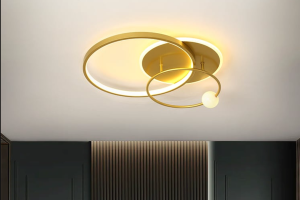
Ambient lighting provides general illumination for the entire office space. Walnut ceiling fixtures or pendants with integrated LEDs can cast a warm, inviting glow throughout the room. The goal here is to banish dark spots and ensure an even level of brightness that complements the task lighting. This foundational layer of light contributes significantly to the overall feel and usability of the space.
Fixture Styles and Placement
Walnut LED lighting can come in various forms, each suited for different office needs.
Desk Lamps and Sconces
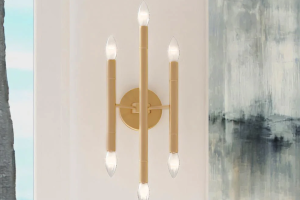
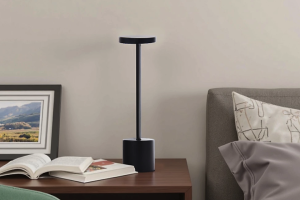
Solid walnut desk lamps often feature sleek, minimalist designs that allow the wood to be the focal point. Sconces mounted on walls can provide accent lighting or supplementary ambient light, adding a layered lighting effect and highlighting architectural features. These smaller fixtures can be strategically placed to ensure no dark corners exist in the workspace.
Pendant Lighting and Chandeliers
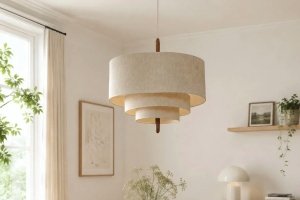
For a more statement piece, walnut LED pendant lights or even small chandeliers can be suspended above reception areas, conference tables, or individual workstations. They draw the eye upwards and contribute significantly to the room’s overall design aesthetic, combining illumination with a strong visual element. These can often be dimmed to adjust the mood of the room as needed.
Integrated Solutions
Beyond standalone fixtures, walnut can be integrated directly into office furniture. Think of LED strips embedded into walnut shelving, desks, or even wall panels. This creates seamless lighting that feels like a natural part of the office’s architecture and design, often providing a very clean and contemporary look while maintaining the warmth of the wood. This approach minimizes visual clutter and maximizes design impact.
Practical Considerations for Office Integration
While the aesthetics and efficiency of solid walnut LED lighting are compelling, there are practical aspects to consider before making a commitment.
Installation and Wiring
Working with quality lighting should always involve proper installation.
Professional Installation Recommended
Given the nature of electrical work and the value of solid walnut fixtures, professional installation is generally recommended. This ensures safety, proper functioning, and helps protect your investment. An electrician will ensure that wiring is up to code and that the fixtures are securely mounted. This is especially true for ceiling-mounted fixtures or integrated solutions.
Compatibility with Existing Systems
If you’re integrating new lighting into an existing office, consider its compatibility with your current wiring and any smart home or building management systems. Some LED fixtures require specific drivers or dimmers. Discussing this with your installer early on can prevent headaches down the line. Older wiring systems might need upgrades to handle modern LED demands.
Maintenance and Care
Even solid walnut and long-lasting LEDs require a bit of attention.
Cleaning Walnut Surfaces
Walnut wood should be dusted regularly with a soft, dry cloth. For deeper cleaning, a slightly damp cloth with a mild wood cleaner can be used, but avoid harsh chemicals that could damage the finish. Consistent care will preserve the wood’s luster and prevent accumulation of dust that can dull its appearance over time. Different finishes on the walnut (e.g., oil, lacquer) will require slightly different care instructions, so it’s good to know what finish is on your particular fixture.
LED Longevity and Replacement
While LEDs last a long time, nothing lasts forever. When an LED eventually fails, the entire fixture might need replacement, or in some modular designs, just the LED module. It’s worth considering the repairability or modularity of the chosen fixtures, especially for custom or expensive pieces. Some premium fixtures might even offer replaceable LED light engines, ensuring the housing itself remains usable.
Budgeting for Quality
Investing in solid walnut LED lighting is an upfront commitment, but it often pays off in the long run.
Initial Investment vs. Long-Term Value
Solid walnut LED fixtures typically have a higher initial price point compared to cheaper alternatives. However, their durability, energy efficiency, and timeless aesthetic contribute to a lower total cost of ownership over their lifespan. Consider it an investment in both your workspace’s functionality and its overall value. This long-term perspective is crucial for evaluating such purchases. The higher quality also means less likelihood of needing to replace the entire fixture due to breakage or aesthetic degradation after a few years.
Warranties and Support
Check for warranties on both the wood components and the LED drivers/modules. Reputable manufacturers stand behind their products, which provides peace of mind. Good customer support can also be invaluable if you encounter any issues or have questions down the road. A strong warranty indicates a manufacturer’s confidence in their product’s longevity and quality.
Health and Productivity Benefits
Beyond mere illumination, good lighting, especially with natural elements like walnut, has a tangible impact on those working in the space.
Reducing Eye Strain and Fatigue
Poor lighting is a common culprit for eye strain, headaches, and general fatigue in an office.
Optimal Brightness and Glare Control
LEDs in walnut fixtures can be designed to provide optimal brightness without harsh glare. The wood itself can help diffuse light, creating a softer, more even distribution. Proper placement and using dimmable options allow users to tailor the light intensity to their preference and tasks, significantly reducing discomfort. Anti-glare diffusers and proper beam angles are also important design considerations that manufacturers incorporate to minimize eye fatigue.
Color Temperature and Circadian Rhythms
Many modern LED systems offer tunable white light, allowing you to adjust the color temperature from warm (more yellow) to cool (more blue). Warmer light in the evenings can promote relaxation, while cooler, brighter light during the day can enhance alertness and productivity, aligning with our natural circadian rhythms. This can lead to better sleep cycles and overall well-being for employees.
Enhancing Mood and Well-being
The environment we work in significantly influences our mental state.
Natural Elements and Biophilia
Bringing natural materials like solid walnut into the office taps into biophilia—our innate human tendency to connect with nature. This connection can reduce stress, improve mood, and even foster creativity. The presence of natural wood can create a more soothing and hospitable environment compared to sterile, purely artificial materials. This psychological uplift contributes to a more positive work experience.
Creating a Desirable Workspace
A well-designed office with appealing, high-quality lighting can boost morale and create a sense of value. Employees are more likely to feel appreciated and work more effectively in an environment that is thoughtfully curated and comfortable. Walnut LED lighting contributes to an executive-level feel that makes the workspace more desirable and attractive to talent.
The Future of Office Lighting with Walnut and LEDs
The combination of natural materials and advanced technology is only set to evolve further.
Smart Lighting Integration
The trajectory of lighting is undoubtedly towards smarter, more integrated systems.
Automated Control and Sensors
Future walnut LED fixtures will likely integrate even more seamlessly with smart office systems. Think of occupancy sensors that turn lights on and off as people enter and leave, or daylight harvesting sensors that automatically adjust brightness based on natural light levels. This further optimizes energy consumption and user convenience. These systems can also gather data on space utilization, providing valuable insights for office management.
Personalized Lighting Experiences
Beyond general automation, the future points towards highly personalized lighting. Imagine individual users being able to control their desk lamp’s intensity and color temperature via an app, or even having it automatically adjust based on their calendar schedule or personal preferences. This level of customization can significantly improve comfort and productivity.
Sustainable Design Evolution
The focus on sustainability will continue to drive innovation in both materials and technology.
Reclaimed and Sustainable Walnut Sources
The demand for sustainably sourced materials will likely lead to greater use of reclaimed walnut or wood from certified, sustainably managed forests, emphasizing circular economy principles. This makes the choice of walnut even more environmentally responsible. Innovations in woodworking and finishing could also lead to more durable and less resource-intensive products.
Energy Harvesting and Advanced LEDs
Expect to see even more efficient LED technologies, perhaps even incorporating energy harvesting capabilities in some fixtures. The lifespan of LEDs may also extend further, reducing waste even more. This continuous improvement in LED technology ensures that the “efficient” part of walnut LED lighting only gets better over time. Researchers are also exploring biodynamic lighting systems that can adapt to individual needs and health.
Solid walnut LED office lighting is more than just a trend; it’s a thoughtful approach to creating functional, beautiful, and sustainable workspaces. By understanding its benefits and practicalities, you can make informed decisions that will positively impact your office environment for years to come.