Elegant Villa Entryway Illumination: Neo-Classical Crystal Tier Floor Lamp
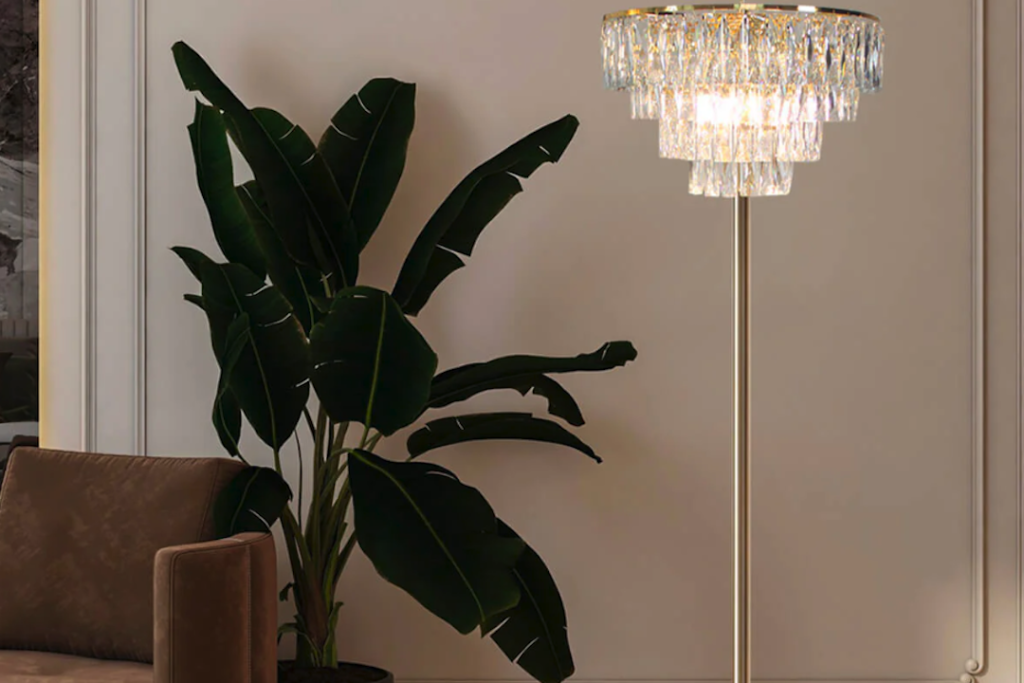
So, you’re looking to light up your villa’s entryway, and you’ve got your eye on something grand: a Neo-Classical Crystal Tier Floor Lamp. Good choice. These aren’t just lamps; they’re statements. Essentially, these lamps are tall, tiered structures, often featuring multiple levels of crystal elements – think prisms, beads, or even intricate cut glass – that refract light beautifully. They blend the formal elegance of Neo-Classical design with the sparkling appeal of crystal, making them perfect for creating a dramatic and welcoming first impression in a spacious entryway. They’re designed to provide both ambient light and a significant decorative focal point, often reaching upwards to command attention.
Before we dive into the lamp Yeebu itself, let’s touch on what Neo-Classical means in this context. It’s not about replicating ancient Greek and Roman temples wholesale, but rather about borrowing their sense of order, balance, and sophisticated restraint.
A Nod to History, Not a Reenactment
Think of it as a refined conversation with the past. Neo-Classical design emerged in the 18th century, a reaction against the frilliness of Rococo. It favored clean lines, symmetry, and classical motifs like acanthus leaves, fluting, and urns. For your lamp, this translates to a structured form – often a slender column or a robust, well-proportioned base – that feels solid and enduring. You won’t find overly ornate, playful curves here; instead, you’ll see a dignified elegance.
Key Visual Elements
When you’re looking at a Neo-Classical-inspired lamp, keep an eye out for elements like:
- Symmetry: The lamp will feel balanced, often mirroring components on either side of a central axis.
- Proportion: Everything will feel “right” in terms of size relative to other parts. Nothing will look awkwardly large or small.
- Restraint: While it features crystal, it’s not ostentatious. The sparkle is there, but it’s presented with poise.
- Classical Motifs: You might see subtle laurel wreaths, Grecian key patterns, or anthemion designs etched into metalwork or molded into the base.
The Allure of Crystal Tiers
Now, let’s get to the sparkling heart of the matter: the crystal tiers. This is where the lamp truly comes alive, transforming plain light into something magical.
The Science of Sparkle
It’s not just about pretty glass. High-quality crystal has a higher lead content (or modern, lead-free alternatives that mimic its properties) which increases its refractive index. This means light bends more as it passes through the crystal, splitting it into a rainbow of colors, much like a prism. Each facet on the crystal acts as a tiny lens, catching and scattering light in a mesmerizing display. The tiered arrangement multiplies this effect.
Types of Crystal Elements
You’ll encounter various crystal shapes and cuts on these lamps, each contributing a different visual texture:
- Prisms: These are often elongated, multi-faceted drops that create those dramatic rainbow effects. They can be almond, pendalogue, or baguette shaped.
- Beads: Strands of small, often round or bicone-shaped beads that create a shimmering curtain effect, adding a soft, diffused sparkle.
- Cut Glass: Larger, solid pieces of crystal that have been meticulously cut with patterns, offering a more structured, substantial glint. Think of geometric cuts or etched floral designs.
- Octagons: Small, eight-sided crystals often used in chains to connect larger prisms or to create a delicate, continuous shimmer.
The Tiered Arrangement: Why It Works
The “tier” aspect is crucial for impact in an entryway. Instead of a single cluster of crystals, these lamps feature multiple levels, often decreasing in circumference as they ascend. This creates a visual “pyramid” or “wedding cake” effect, drawing the eye upwards and reinforcing the lamp’s grandeur. Each tier can house its own set of crystal elements, creating layers of sparkle that catch the light from different angles, enhancing depth and richness.
Practical Considerations for Entryway Placement
A lamp like this isn’t just about looks; it needs to function well in a high-traffic area. Your entryway is the first impression of your home, and the lighting needs to be inviting, functional, and safe.
Size and Scale: Don’t Underestimate
This is perhaps the most critical factor. A Neo-Classical Crystal Tier Floor Lamp is a substantial piece.
- Height: These lamps often range from 60 inches (5 feet) to 84 inches (7 feet) or even taller. You need adequate ceiling height so the lamp doesn’t look crammed. Generally, aim for at least 12-18 inches of clearance between the lamp’s finial and the ceiling.
- Diameter/Footprint: Consider the base diameter and the overall width of the crystal tiers. You don’t want it to impede traffic flow. Measure your entryway space carefully, focusing on the clear walkway area. Aim for the lamp to occupy a corner or a less-trafficked side, allowing at least 36-42 inches of unobstructed passage if possible.
- Visual Weight: Beyond physical dimensions, consider its visual weight. A large, crystal-laden lamp will command attention. Ensure your entryway furniture (console table, bench) can stand up to its presence without being dwarfed.
Lighting Output and Ambiance
Despite their grand appearance, these lamps primarily offer ambient and decorative lighting.
- Ambient Light: They’re designed to cast a general glow, not task lighting. The crystals will diffuse and refract the light, creating a softer, more atmospheric illumination rather than a harsh, direct beam.
- Light Source: Many use candelabra-base bulbs (E12), often multiple ones concealed within or above the crystal tiers. LED bulbs are a great modern choice – they’re energy-efficient, produce less heat, and are available in various color temperatures.
- Dimmer Compatibility: This is a strong recommendation. Being able to dim the light allows you to adjust the mood, from a bright welcome during the day to a softer, elegant glow in the evening. Make sure both the lamp and your chosen bulbs are dimmer-compatible.
- Color Temperature: For a Neo-Classical vibe, warmer light (2700K-3000K) often works best, evoking a classic, inviting feel. Cooler temperatures (4000K+) can sometimes feel too stark against traditional materials.
Safety and Stability
A tall, heavy lamp in a busy area requires attention to safety.
- Stable Base: Ensure the lamp has a broad, weighted base. This is paramount for preventing accidental tipping, especially in homes with active children or pets.
- Cord Management: The power cord should be discreetly managed and not pose a tripping hazard. Consider flush-to-wall cord covers or placing the lamp near an outlet so the cord can hug the baseboard.
- Assembly: Due to the crystal elements, assembly can be intricate. Follow instructions carefully, and ensure all crystals are securely attached to prevent them from falling and breaking.
Integrating with Villa Decor
A Neo-Classical Crystal Tier Floor Lamp is a statement piece. The goal is to make it feel like a natural, elevated extension of your villa’s aesthetic, not an afterthought.
Harmonizing with Architectural Features
Your villa likely has some defined architectural characteristics. Leverage them.
- High Ceilings: These lamps absolutely sing in rooms with high ceilings. They draw the eye upwards, emphasizing the verticality and grandeur of the space.
- Molding and Trim: If your entryway features crown molding, wainscoting, or other decorative trim, the lamp’s classical lines will echo and complement these details.
- Materials: Consider the existing materials. Polished marble, wood paneling, or plaster finishes in the entryway will create a beautiful backdrop for the lamp’s reflective qualities. A lamp with a bronze, antique brass, or polished nickel finish can pick up tones from door hardware or other fixtures.
Balancing with Furniture and Art
The lamp should enhance, not compete with, other elements.
- Console Table: A perfectly placed console table (perhaps a substantial one with classical legs or a gilded mirror above it) can anchor the lamp, creating a vignette. Ensure the lamp isn’t so wide that it overwhelms the table.
- Seating: If you have an entryway bench or armchair, the lamp should feel integrated, providing a welcoming glow without being directly overbearing.
- Artwork: The lamp’s sparkle can beautifully illuminate nearby artwork or a large mirror, adding depth and drawing attention to these features. However, be mindful of glare; position the lamp so its direct light doesn’t overpower reflective surfaces.
Color Palettes and Finishes
Think about how the lamp’s finish and the crystal’s sparkle will interact with your existing colors.
- Metallic Finishes: Common finishes include polished brass, antique brass, oil-rubbed bronze, polished nickel, or even chrome. Brass and antique bronze tend to lean more traditional and warm, while nickel and chrome offer a slightly more contemporary edge, though still within the Neo-Classical realm if the form is right.
- Crystal Clarity: Most Neo-Classical lamps feature clear crystal. This offers the most versatility, reflecting all colors. Some might incorporate very subtle tints in certain crystals, but generally, transparency is key to the Neo-Classical aesthetic.
- Wall Colors: The lamp will pop against both light and dark walls. On lighter walls, its form will be more pronounced. Against richer, darker hues (think deep blues, greens, or even charcoal), the crystal’s sparkle will create a stunning contrast, feeling like jewels against velvet.
Maintenance and Care for Lasting Brilliance
A crystal lamp isn’t a “set it and forget it” item. To maintain that elegant sparkle, a little regular attention goes a long way.
Dusting: A Regular Ritual
Dust is the enemy of sparkle. It dulls the crystal and diminishes its refractive properties.
- Feather Duster/Microfiber: For light, frequent dusting, a soft feather duster or a microfiber duster designed for delicate surfaces is perfect. Gently wipe down each accessible crystal and the lamp’s frame.
- Canned Air: For hard-to-reach crevices or intricately strung beads, a short burst of canned air can dislodge dust effectively. Do this gently and from a distance to avoid damaging fragile crystals.
- Frequency: Aim for a light dusting once a week or bi-weekly, depending on how dusty your environment is.
Deep Cleaning: Bringing Back the Gleam
Every few months, or if the sparkle seems noticeably diminished, a deeper clean is in order.
- Turn Off and Unplug: Always, always unplug the lamp before you begin any cleaning beyond light dusting. Even better, allow the bulbs to cool down before handling the lamp.
- Crystal Cleaner Spray: There are specialized crystal cleaner sprays available. These often come with a fine mist applicator. Spray liberally onto the crystals until they are wet, then let them air dry. The solution is designed to drip off, taking dust and grime with it, without leaving streaks. Place a towel or drop cloth beneath the lamp to catch any drips.
- Manual Cleaning (If Necessary): For stubborn grime, you might need to gently wipe individual crystals. Use a clean, lint-free microfiber cloth dampened with a solution of distilled water and a few drops of mild dish soap. Do not use harsh chemical cleaners, as they can damage the crystal’s finish or the lamp’s metal components. Dry immediately with another clean, dry microfiber cloth to prevent water spots.
- Metal Frame Care: Clean the metal frame according to its finish. For polished metals, a soft, dry cloth is usually sufficient. Avoid abrasive cleaners that can scratch or strip finishes. For antique or bronzed finishes, you generally want to avoid polishes unless absolutely necessary, as they can remove the intentional patina.
- Bulb Replacement: When replacing bulbs, use gloves or a clean cloth to handle them. Fingerprints can leave oil residue that attracts dust and can even shorten bulb life.
Long-Term Preservation Tips
- Avoid Harsh Lighting: While the lamp is designed to sparkle, prolonged exposure to direct, intense sunlight can sometimes yellow certain types of older crystal or fade metal finishes.
- Humidity Control: Extreme humidity fluctuations can sometimes affect metal components. A stable indoor environment is ideal.
- Gentle Handling: When moving the lamp, always lift it from the base. Never lift it by the column or shade, especially if it’s laden with crystals, as this can strain the structure.
By truly understanding the Neo-Classical Crystal Tier Floor Lamp – its style, its sparkling components, practical placement, integration with your decor, and ongoing care – you’re not just choosing a light source. You’re selecting a piece that will command attention, elevate your entryway, and cast a welcoming, elegant glow for years to come. It’s an investment in ambiance and first impressions, thoughtfully chosen and carefully maintained.