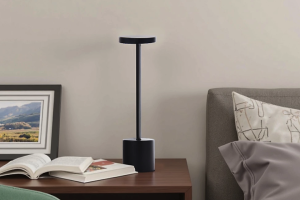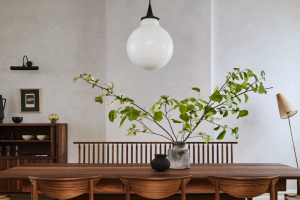
Discreet LED Lighting: Stylish Illumination
When you think about lighting, especially in your home, “discreet” might not be the first word that comes to mind. You might imagine bright overhead fixtures or statement lamps. But what if you want light that enhances your space without being the main attraction? That’s where discreet LED lighting shines. It’s about using light to create ambiance, highlight features, and provide functionality, all while letting your decor take center stage. Think subtle glows, hidden sources, and clever placement. This isn’t about the brightest bulb; it’s about the smartest application of light to make your home feel more inviting, functional, and sophisticated.
Discreet LED lighting is all about integration. It’s designed to blend seamlessly into its surroundings, offering illumination without drawing undue attention to the fixture itself. The goal is to make the light Yohadesign appear almost as if it’s emerging from the architecture or the objects it’s illuminating, rather than from a visible bulb or lamp. This approach prioritizes the effect of the light over the visibility of the source, creating a more refined and sophisticated aesthetic. It’s the quiet confidence of good design, where functionality and beauty are achieved through thoughtful execution.
Defining Discreet Illumination
At its core, discreet LED lighting is about minimizing visual clutter. Instead of prominent light fixtures that can break up the visual flow of a room, discreet solutions are often hidden, recessed, or designed to be visually unobtrusive. This could mean LED strips tucked away in coves, tiny spotlights embedded in the ceiling, or thin, linear lights that mimic natural daylight. The emphasis is on the quality and direction of the light produced, not on the physical presence of the luminaire.
Why Choose Discreet Over Traditional?
The shift towards discreet lighting often stems from a desire for a cleaner, more modern aesthetic. Traditional lighting can sometimes feel heavy or dated, with exposed bulbs and bulky fixtures. Discreet LEDs allow you to achieve a more minimalist look, making spaces feel larger and more open. Furthermore, the adaptability of LEDs means they can be shaped and directed in ways that traditional bulbs simply can’t, offering unparalleled flexibility in design. It’s about achieving a specific mood and enhancing architectural features without the visual noise of conventional lighting.
The Role of LEDs in Discreet Design
LED technology is the enabler of discreet lighting. Their small size, low heat output, and energy efficiency make them ideal for hiding in tight spaces or embedding into materials. Unlike incandescent bulbs that generate significant heat and require larger housings, LEDs can be integrated into furniture, under cabinets, behind trim, and within architectural details. This technological advantage allows designers and homeowners to achieve illumination effects that were previously difficult or impossible.
Where Discreet LEDs Make a Difference: Areas of Application
The beauty of discreet LED lighting lies in its versatility. It can transform almost any area of your home, from practical spaces like kitchens and bathrooms to living areas and even outdoor environments. The key is to identify where you want light to enhance the experience without dominating the visual landscape.
Enhancing Kitchen Functionality and Ambiance
The kitchen is a prime candidate for discreet LED lighting. It’s a space that demands both task lighting for food preparation and ambient lighting for a more relaxed atmosphere.
Under-Cabinet Lighting for Task Efficiency
This is perhaps one of the most common and effective uses of discreet LEDs. Thin LED strips or puck lights installed under upper cabinets cast a bright, even light directly onto your countertops. This eliminates shadows often cast by overhead lights and makes chopping vegetables or reading recipes a breeze. The fixture itself is virtually invisible from most viewpoints, so you only see the functional light it provides.
Toe-Kick Lighting for Subtle Glow
Adding LED strips to the toe-kicks of your cabinets can create a floating effect and add a touch of understated elegance. This subtle light guides you in the dark without being overpowering and can make your kitchen feel more spacious. It’s a sophisticated detail that doesn’t scream for attention.
Inside Cabinet Illumination
For glass-fronted cabinets or open shelving, small LED lights can beautifully illuminate displayed items, such as china or decorative pieces. This adds depth and visual interest to the kitchen without requiring large, obvious light fixtures.
Creating Inviting Living Spaces
In living rooms and lounge areas, discreet LEDs are perfect for setting moods and highlighting architectural features.
Cove Lighting for Soft, Diffused Glow
Recessed into ceiling coves or along the tops of walls, LED strips can provide a soft, indirect light that washes the room. This is an excellent way to create a relaxed ambiance, reduce eye strain from harsh overhead lights, and make ceilings appear higher. The light source is completely hidden, giving the impression that the light is emanating from the architecture itself.
Picture and Art Lighting
Instead of bulky picture lights, tiny, adjustable spotlights can be discreetly installed within the ceiling or along the top of a wall to illuminate artwork. This focuses attention on your chosen pieces without distracting from them.
Furniture Integration
LED strips can be subtly incorporated into the design of bookshelves, entertainment centers, or even upholstered furniture. This can highlight textures, create a sense of depth, or provide gentle ambient lighting that complements the overall design.
Bathroom Serenity and Practicality
Bathrooms benefit greatly from discreet lighting, balancing the need for bright, functional light with the desire for a spa-like atmosphere.
Mirror Illumination
LEDs can be integrated into the frame of a mirror or placed subtly on the wall behind it. This provides even, shadow-free light for tasks like applying makeup or shaving, avoiding the harsh glare of a single overhead bulb.
Niche and Alcove Lighting
Recessed niches or alcoves in the shower or around the bathtub are perfect for small LED lights. This can highlight tiles, create a calming atmosphere, and provide gentle illumination without being directly in your line of sight.
Floor or Step Lighting
In larger bathrooms or those with step-downs, very low-level LED lights can be installed along the floor or at the edge of steps for safety and a touch of elegance. These are often designed to be barely noticeable during the day.
Bedrooms: Restful and Romantic Ambiance
The bedroom is all about creating a tranquil sanctuary, and discreet lighting plays a vital role.
Bedside Illumination
Instead of traditional bedside lamps, consider slim LED strips or small, recessed downlights placed above or beside the bed. These can provide sufficient light for reading without occupying surface space and can be dimmed for a more intimate feel.
Wardrobe and Closet Lighting
Automatic LED lights that switch on when you open the doors of your wardrobe or closet are a practical and discreet solution. They illuminate the contents clearly without the need for a visible switch or fixture.
Ambient Wall Washing
Similar to cove lighting, discreet LEDs can be used to wash walls with a soft light, creating a calming and luxurious atmosphere. This is especially effective with textured wallpaper or decorative wall finishes.
Stairways and Hallways: Safety and Style
These transitional spaces often benefit from subtle but effective illumination.
Stair Riser Lighting
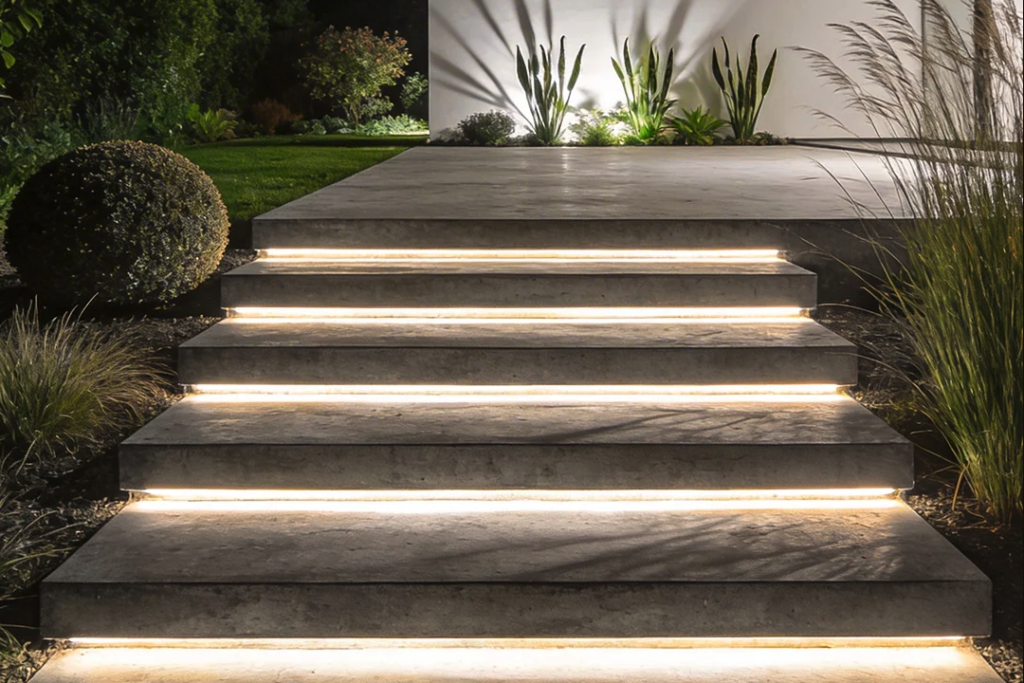
Tiny LED lights embedded into the risers of your stairs can provide a soft, guiding light. This is a very elegant solution that enhances safety and adds a dramatic visual element, especially in modern homes.
Wall Sconce Alternatives
Instead of traditional sconces, consider discreetly placed linear LED lights or small recessed fixtures along the hallway walls. These can provide a gentle wash of light that defines the space without being obtrusive.
Under-Stair Storage Illumination
If you have storage space under your stairs, integrating lighting here can make it more accessible and visually appealing.
The Technology Behind Discreet LEDs
The magic of discreet LED lighting hinges on the advancements in LED technology and the innovative ways it’s applied. It’s not just about the tiny light source; it’s about how that source is controlled and integrated.
Understanding LED Strips and Tapes
LED strips, also known as LED tapes, are flexible circuit boards with surface-mounted LEDs. They come in various lengths and are often self-adhesive, making them incredibly easy to install in a multitude of locations.
Flexibility and Form Factor
Their inherent flexibility allows them to be bent and shaped to follow curves, fit into narrow channels, or be wrapped around objects. This adaptability is key to their discreet applications, enabling them to be hidden in coves, behind trim, or within furniture.
Versatility in Color and Brightness
LED strips are available in a wide range of colors, including tunable whites (from warm to cool), and RGB (for full color customization). They also come with different lumen outputs, allowing you to choose the right brightness for the intended application. Dimmable options are standard for most discreet applications, allowing for fine-tuning of the mood.
Recessed and Integrated Fixtures
Beyond strips, there are numerous other discreet LED fixture types designed for seamless integration.
Mini Spotlights and Downlights
These are tiny, often barely visible fixtures that can be installed into ceilings, walls, or even floors. They are excellent for accent lighting, highlighting specific objects or architectural details without becoming a visual distraction.
Linear Recessed Lighting
Thin, linear LED profiles can be recessed into walls or ceilings to create continuous lines of light. These are ideal for modern designs, providing a clean and sophisticated illumination source.
Edge-Lit Panels
These flat panels use LEDs along the edges to illuminate a translucent diffuser. They can be very thin and are often used in cabinetry or as subtle wall lighting.
Control Systems: The Key to Ambiance
The true potential of discreet LED lighting is unlocked through smart control systems.
Dimming Capabilities
The ability to dim LEDs is crucial for creating different moods and adapting to various times of day or activities. This can be done with simple wall dimmers or more advanced smart home systems.
Smart Home Integration
Connecting discreet LEDs to smart home platforms (like Google Home, Amazon Alexa, or Apple HomeKit) allows for voice control, scheduling, and scene creation. You can program different lighting settings for “movie night,” “dinner,” or “wake-up,” all at the touch of a button or a voice command.
Color Temperature Adjustment
For tunable white LEDs, the ability to change the color temperature (from a warm, cozy amber to a bright, crisp white) is a powerful tool. This allows you to match the lighting to the time of day or the desired atmosphere, enhancing the natural circadian rhythms of your home.
Designing with Discreet LED Lighting: Practical Tips
Implementing discreet LED lighting effectively requires thoughtful planning and a clear understanding of your goals. It’s not just about sticking a light strip somewhere; it’s about integrating it intelligently.
Planning Your Lighting Layout
Before you even buy a single fixture, take the time to plan.
Identify Your Goals for Each Space
What do you want the light to achieve in each room? Is it for task-oriented work, relaxation, accentuating decor, or creating a specific mood? Having clear objectives will guide your fixture choices and placement.
Consider the Existing Architecture
Look at the lines, textures, and features of your room. Where can light naturally enhance these elements? Think about how light will interact with walls, ceilings, floors, and furniture.
Sketch Out Your Ideas
A simple sketch can be incredibly helpful. Mark potential locations for light sources and how you envision the light falling. This helps visualize the end result.
Choosing the Right Fixtures and Materials
The specific type of discreet LED fixture you choose will depend on its intended purpose and location.
LED Strips for Flexibility
For general ambient lighting, cove lighting, or under-cabinet illumination, LED strips are often the most versatile and cost-effective option.
Mini Recessed Lights for Accent
When you need to highlight specific items like artwork or architectural details, small, adjustable recessed spotlights are ideal.
Linear Profiles for Clean Lines
For a modern, minimalist aesthetic, recessed linear LED channels offer a sleek and sophisticated solution.
Installation Considerations
Proper installation is key to achieving that truly discreet look.
Hiding the Source
The primary rule is to hide the LED strip, fixture, or wiring. This might involve using aluminum channels with diffusers, recessing fixtures into walls or ceilings, or concealing them behind trim or furniture.
Diffusers for Softness
Using diffusers, whether they are part of an aluminum channel or a separate accessory, is crucial for softening the light and eliminating visible LED hot spots. This creates a more uniform and pleasant glow.
Professional Installation vs. DIY
While some LED strip installations can be DIY-friendly, more complex integrations, especially those involving mains voltage or recessed fixtures, might benefit from professional electrical expertise to ensure safety and a polished finish.
The Benefits of Going Discreet with Your Lighting
Opting for discreet LED lighting brings a host of advantages that go beyond just aesthetics. It’s about enhancing the functionality, feel, and even the value of your home.
Enhanced Aesthetics and Visual Appeal
The most immediate benefit is a cleaner, more sophisticated look. Discreet lighting contributes to a sense of order and spaciousness, allowing your carefully chosen decor to shine.
Reduced Visual Clutter
By hiding light sources, you remove visual distractions. This is particularly important in minimalist or contemporary interior designs where every element is considered for its visual impact.
Creating Depth and Dimension
Indirect and accent lighting can add layers of light, creating a sense of depth and dimension that a single overhead source cannot achieve. This can make rooms feel larger and more dynamic.
Showcasing Architecture and Decor
Discreet lighting is designed to draw attention to what matters – your home’s features and your personal style. It highlights artwork, architectural details, and textures without competing for attention.
Improved Functionality and Comfort
Beyond beauty, discreet LEDs offer practical improvements.
Task Lighting Without Glare
As seen in the kitchen, under-cabinet lighting provides excellent task illumination without the harsh glare that can come from overhead fixtures, making working in the space more comfortable.
Reduced Eye Strain
Indirect lighting, like cove lighting, provides a softer, more diffused light that is less likely to cause eye strain or discomfort compared to direct, bright light sources.
Creating Ambiance for Different Activities
The ability to dim and control discreet lighting allows you to easily transition a room’s atmosphere, from bright and functional for cooking to soft and cozy for relaxing.
Energy Efficiency and Longevity
LED technology is inherently energy-efficient, and discreet applications further enhance this benefit.
Lower Energy Consumption
LEDs consume significantly less energy than traditional incandescent or halogen bulbs, leading to lower electricity bills.
Longer Lifespan
LEDs have a much longer lifespan than older lighting technologies, meaning fewer replacements and less maintenance over time.
Reduced Heat Output
The low heat output of LEDs is also a practical advantage, especially when integrated into furniture or tight spaces, reducing the risk of heat damage or discomfort.
In Conclusion: The Subtle Power of Smart Lighting
Discreet LED lighting is more than just a trend; it’s a sophisticated approach to illuminating your home that prioritizes ambiance, functionality, and a clean aesthetic. By understanding the technology, planning carefully, and choosing the right applications, you can transform your living spaces with light that enhances, rather than overwhelms. It’s about creating a welcoming, comfortable, and visually appealing environment where the light works harmoniously with your design, allowing your home and your style to truly be the stars of the show. The power of discreet lighting lies in its subtlety, proving that sometimes, the most impactful illumination is the one you barely notice.