Enhance Outdoor Dining with a Black Wicker Pendant Light
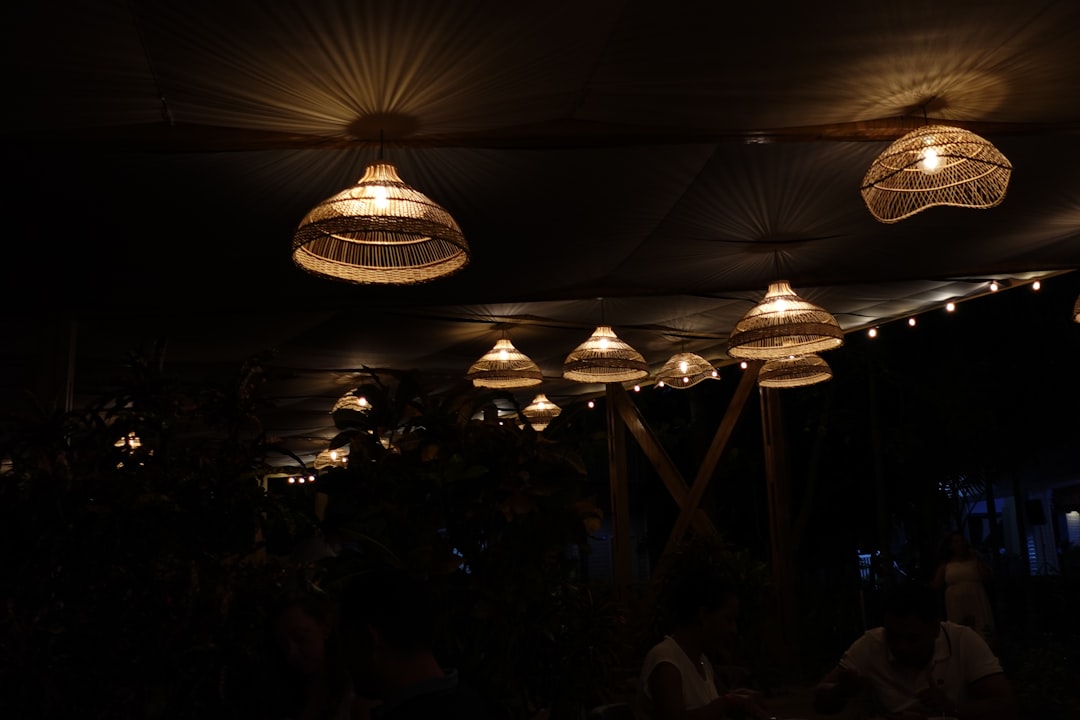
You’re thinking about sprucing up your outdoor dining area, and a black wicker pendant light has caught your eye. That’s a great idea! Hanging a pendant light, especially one made of natural-looking material like wicker, can completely transform how your patio or deck feels, making it more inviting and functional after the sun goes down. It’s really about adding a bit of atmosphere and practical light exactly where you need it for those al fresco meals.
Think about your favorite cozy cafes or restaurants with that perfect evening ambiance. Often, lighting plays a huge role. A black wicker pendant light Bikalife brings that same feeling of warmth and intimacy to your own outdoor space. It’s not just about seeing your food; it’s about creating a vibe.
The Natural Texture Appeal
Wicker, by its nature, has a beautiful, organic texture. It’s a material that immediately suggests comfort and a connection to the outdoors. When it’s a deep black, it gains a modern sophistication without losing that comforting feel. This combination means it can fit into a variety of outdoor styles.
- Earthy Charm meets Modern Edge: The weave of the wicker brings in that organic, handcrafted look, while the black hue grounds it, making it feel contemporary rather than rustic.
- Visual Interest: Even during the day, the pendant adds a sculptural element to your outdoor space. The intricate weave creates shadows and patterns that are pleasing to the eye.
Creating an Intimate Zone
Outdoor dining isn’t just about eating; it’s about spending quality time with friends and family. A well-placed pendant light acts like a beacon, drawing people together and defining the dining area.
- Defining the Space: By hanging it directly over your dining table, you visually anchor the space, making it feel like a distinct room outdoors.
- Focus and Warmth: The downward glow of the light creates a pool of warmth, making conversation feel more focused and personal. It’s like creating your own little dining oasis.
The Power of Black
Black is a surprisingly versatile color, especially in outdoor settings. It provides a strong contrast against greenery and lighter-colored outdoor furniture, making it stand out without being jarring.
- Versatile Palate: Black wicker pairs well with natural wood tones, metal accents, and a wide range of cushion colors. It’s a neutral that works with almost anything.
- Modern Elegance: Unlike brighter colors that can feel too bold outdoors, black offers a sleek and sophisticated look that ages well and doesn’t fade visually as quickly.
Practical Considerations for Your Black Wicker Pendant
When you’re looking at outdoor lighting, especially something like a pendant, there are a few practical things to keep in mind to make sure it works well and lasts. It’s not just about how it looks; it’s about making sure it’s a sound choice for your outdoor environment.
Weather Resistance is Key
This is probably the most crucial aspect. Your outdoor lighting needs to withstand the elements. Look for pendant lights specifically designed for outdoor use.
- Materials Matter: Not all wicker is created equal for outdoor use. Many outdoor wicker pendants are actually made from durable synthetic materials like PE rattan or resin, woven around a metal frame. These are designed to resist UV fading, moisture, and temperature fluctuations much better than natural wicker.
- Outdoor-Rated Components: Ensure the electrical components (sockets, wiring, canopy) are also rated for outdoor use to prevent corrosion and ensure safety. Look for seals and protective coatings.
- Drainage: Some designs may incorporate small drainage holes to prevent water from pooling inside the fixture, which is especially important in rainy climates.
IP Rating Explained (For the Technically Inclined)
You might see something called an “IP rating” on the product specifications. This is a standard way to measure how well a fixture is protected against solid objects (like dust) and liquids (like water).
- What to Look For: For outdoor pendant lights, you generally want an IP rating of at least IP44. This means it’s protected against solid objects larger than 1mm (like thin wires) and splashing water from any direction. Higher ratings (like IP54 or IP65) offer even better protection against dust and water jets, which might be preferable in areas that get a lot of rain or windblown debris.
- Don’t Guess: Always check the product description or ask the manufacturer about the IP rating to be sure.
Installation: Where and How
Where you hang your pendant light can make a big difference to both its look and its functionality. Safety during installation is paramount.
- Placement Over the Table: The ideal height is usually about 30-36 inches above the tabletop. This provides ample light for dining without being too close to heads or creating uncomfortable glare.
- Overhead Support: You’ll need a sturdy overhead point to hang it from, like a strong beam or crossbar on a pergola, awning, or covered porch. Ensure the mounting hardware is appropriate for the weight of the fixture.
- Electrical Connection: This is where it gets technical. You’ll need an outdoor-rated electrical box and wiring to connect the pendant light safely. If you’re not comfortable with electrical work, it’s always best to call a qualified electrician. They can ensure everything is up to code and safe.
Choosing the Right Black Wicker Pendant for Your Style
With so many options out there, picking the one that’s just right can feel a bit overwhelming. Luckily, black wicker pendants come in a surprisingly diverse range, so you can find something that truly complements your existing outdoor decor.
Size and Scale Matter
The size of the pendant should be proportionate to your dining table and the overall area. A massive pendant over a small bistro table can look silly, and a tiny one over a long, grand table will get lost.
- Rule of Thumb for Tabletop: A good guideline is that the widest part of your pendant light should be about half to two-thirds the width of your dining table. For very long tables, you might even consider two smaller pendants hung in tandem.
- Ceiling Height: Consider the height of your covered space. A very tall space can handle a larger, more dramatic pendant, while a lower ceiling might require something more streamlined to avoid feeling cramped.
Weave Patterns and Shapes
The specific weave and shape of the wicker can dramatically change the overall aesthetic.
- Tight Weave vs. Open Weave: A tighter weave might give a more solid, opaque look, while a more open weave allows more light to filter through, creating a dappled effect. This influences how much light is cast and the ambiance.
- Popular Shapes: You’ll find classic drum shapes, elegant bell shapes, more modern geometric forms, and even globe-like designs. Think about what shape would best suit the lines of your table and furniture.
- Natural vs. Synthetic: Remember the distinction between true natural wicker (which would generally not be suitable for outdoor exposure without significant protection) and outdoor-rated synthetic wicker. The latter offers the look with the durability needed for your patio.
Distinctive Design Features
Beyond the basic shape and weave, some pendants have extra touches that make them stand out.
- Integrated LED vs. Bulb Socket: Some modern pendants come with integrated LED lighting, which can be energy-efficient and sleek. Others have standard bulb sockets, giving you more flexibility in choosing the warmth and brightness of your light bulb.
- Metal Accents: Many black wicker pendants incorporate other materials like brushed nickel, matte black metal frames, or even leather accents, adding another layer of design detail.
- Adjustable Cords: Look for pendants with adjustable cords or chains. This is incredibly helpful for getting the height just right for your specific space and ensuring the light hangs perfectly level.
Lighting Effects: Beyond Just Illumination
A black wicker pendant isn’t just a light source; it’s an element that actively contributes to the atmosphere. The type of light it casts, and how it interacts with its surroundings, is just as important as the fixture itself.
The Quality of Light
The “color temperature” and “brightness” of the bulb you choose will have a significant impact on the mood.
- Warm vs. Cool: For outdoor dining, warm white light (around 2700K to 3000K) is generally preferred. It’s cozy, inviting, and makes food look more appealing than harsh, cool white light.
- Dimmable Options: If your fixture is compatible, consider using a dimmable bulb and dimmer switch. This gives you ultimate control over the ambiance, allowing for brighter light for prep and dimmer, more intimate light for relaxed meals.
- Brightness (Lumens): The number of lumens (a measure of brightness) needed will depend on the size of your dining area and how much light you want. For a dining area, aim for a light that’s bright enough to see clearly but not so bright that it feels like a glare from a stadium.
Creating Ambiance with Shadows
The weave of the wicker naturally creates interesting shadow patterns.
- Dappled Light: A slightly more open weave can cast beautiful, soft, dappled patterns onto your table and surrounding surfaces. It’s a more organic and dynamic form of illumination.
- Contrast and Depth: The light and shadow play can add depth and visual interest to your outdoor space, especially as the evening progresses. It makes the area feel more alive and less like a static room.
Enhancing the Wicker Texture
The light glowing through and around the wicker can really highlight its natural texture.
- Warm Glow: A warm light source will make the wicker fibers appear richer and more inviting, emphasizing their natural tones and weaving.
- Highlighting the Weave: As light passes through the gaps in the weave, it can highlight the intricate craftsmanship of the fixture, making it a beautiful feature in itself.
Maintaining Your Black Wicker Pendant for Longevity
To ensure your stylish new pendant light remains a beautiful and functional addition to your outdoor dining for years to come, a little bit of care goes a long way. It’s not complicated, but it’s worth knowing what to do.
Regular Cleaning is Your Friend
Dust and pollen are natural collectors outdoors. A quick wipe-down can prevent buildup and keep your light looking its best.
- Gentle Dusting: Use a soft brush, a microfiber cloth, or even a gentle vacuum cleaner attachment to remove dust and loose debris from the wicker. Do this regularly, perhaps once a month or as needed.
- Washing (with Caution): If the material allows (check manufacturer instructions), you might be able to gently wash the fixture with a mild soap and water solution using a soft cloth or sponge. Always ensure the light is completely dry before turning it back on. Avoid harsh chemicals or abrasive scrubbers that could damage the finish.
Protecting Against Harsh Weather (When Possible)
While outdoor-rated fixtures are designed to be durable, extra protection during extreme conditions can extend their life.
- Winter Storage: If you live in an area with very harsh winters or prolonged periods of extreme weather (heavy snow, ice, extreme heat), consider removing the pendant light during the off-season and storing it in a dry, protected place.
- Protective Covers: For less extreme measures, some people opt for breathable covers during periods of heavy rain or snow, though this should be done carefully to avoid trapping moisture. Always ensure the fixture is completely dry before covering it.
Inspecting Electrical Components
Periodically checking the electrical connections is a good safety practice.
- Visual Checks: Before cleaning, or as part of a seasonal inspection, take a look at the wiring and any connections. Ensure there’s no visible corrosion, fraying wires, or loose connections.
- Tightening: If you notice any loose screws or mounting hardware, gently tighten them to ensure the fixture remains securely attached.
- Professional Check-Up: If you ever have concerns about the electrical components or if the light starts behaving erratically, it’s always best to consult a qualified electrician. Safety first!