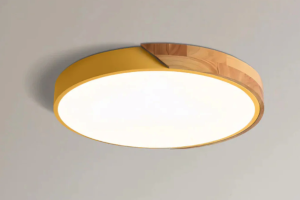
Modern Geometric Ring LED Ceiling Light
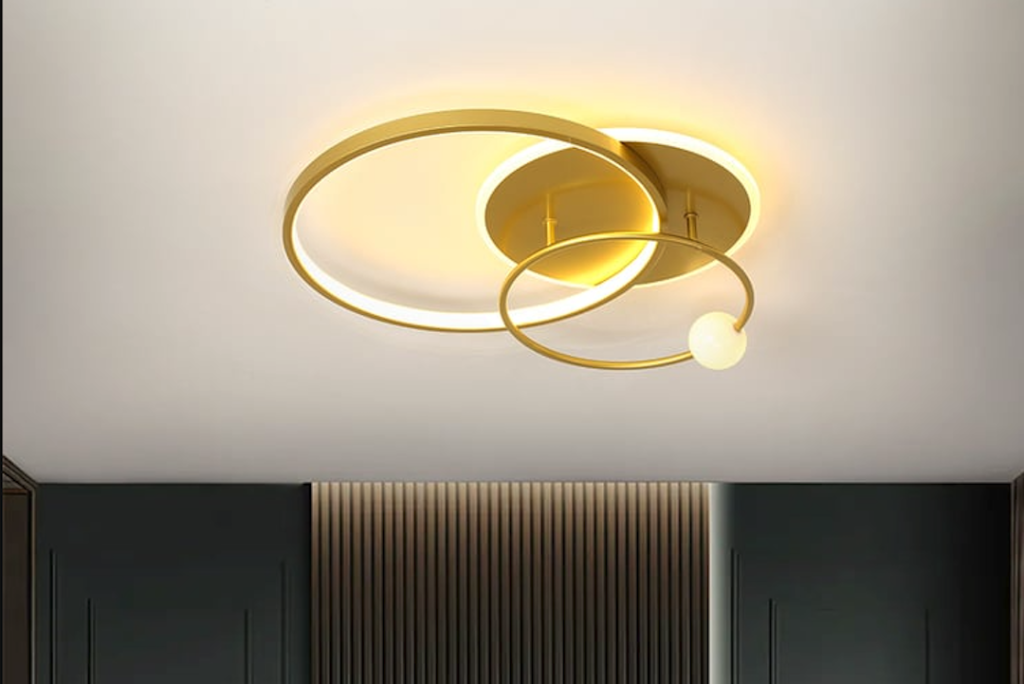
Finding the right modern geometric ring LED ceiling light can really change the feel of a room, bringing in both style and good illumination. These lights aren’t just about brightness; they’re a design element that can make a space feel more contemporary and put-together. So, if you’re thinking about upgrading your lighting and want something that looks visually interesting and works well, a geometric ring LED ceiling light is a solid choice.
When you’re shopping for one of these lights Bonisis, it’s not just about picking the prettiest shape. There are a few practical things to consider that will make sure you get a light that fits your needs and your space. Think about it like choosing furniture – you want it to look good, but it also needs to be functional.
Size and Scale of the Fixture
This is probably the most important thing after the overall look. A gigantic ring light in a tiny room will feel overwhelming, and a small one in a large area will get lost.
Room Dimensions
Measure your room. A quick rule of thumb is to consider the length and width. For living rooms, aim for a fixture diameter that’s about half to two-thirds of the room’s smaller dimension. For example, in a 12×15 foot room, a light around 6 to 10 feet in diameter might work.
Ceiling Height
If you have standard 8-foot ceilings, you’ll want a fixture that doesn’t hang too low. Most ring lights are designed to be flush or very close to the ceiling, which is good for lower ceilings. If you have higher ceilings, you might have more flexibility, but still, be mindful of not making it feel too far away or too small for the vertical space.
Light Output and Quality
This is about how the light actually performs. You’re not just looking for a pretty shape, you need it to light your room effectively.
Lumens (Brightness)
Lumens are the measure of light output. More lumens mean more brightness. For general living spaces, you might aim for around 20-40 lumens per square foot. So, a 200 square foot room could benefit from 4,000 to 8,000 lumens. Many LED ceiling lights will state their total lumen output.
Color Temperature (Kelvin)
This refers to the “warmth” or “coolness” of the light.
- Warm White (2700K-3000K): This is similar to traditional incandescent bulbs, creating a cozy, inviting atmosphere. Great for bedrooms and living rooms.
- Cool White (3500K-4100K): This is a neutral white that’s good for kitchens and bathrooms where you need good visibility.
- Daylight (5000K+): This is a very bright, cool light that mimics natural daylight. It’s best for task lighting areas like workshops or reading nooks, but can feel stark in living areas.
Color Rendering Index (CRI)
CRI indicates how accurately the light shows the true colors of objects. A CRI of 90 or higher is generally considered excellent for most home applications, as it ensures colors look natural and vibrant.
Material and Finish Options
The materials and finishes can significantly impact the overall aesthetic and durability of the light fixture.
Common Materials
- Aluminum: Often used for the main frame of the ring. It’s lightweight, durable, and can be finished in various ways.
- Acrylic/Plastic Diffusers: These are typically used to spread the LED light evenly, preventing glare and creating a softer glow. Look for diffusers that don’t yellow over time.
- Metal Accents: Some fixtures have decorative metal accents around the ring or canopy, which can be in brushed nickel, polished chrome, brass, or black.
Popular Finishes
- Brushed Nickel/Stainless Steel: A modern, subtle finish that works with most decor.
- Matte Black: Very popular for a contemporary, minimalist look. It can create a strong visual statement.
- Polished Chrome/Silver: Offers a more reflective, sometimes traditional modern look.
- Brass/Gold Tones: These are making a comeback, offering a touch of warmth and luxury.
Installation and Maintenance
How easy is it to put up, and how much work will it be to keep clean?
Mounting Type
Most modern geometric ring LED ceiling lights are designed for flush mounting directly to the ceiling, which is ideal for most residential spaces, especially those with lower ceilings. Some might have a short stem, but this is less common for ring styles.
Wiring and Adjustability
Check if the light comes pre-wired or if you need to do any assembly. Also, consider if the light source is integrated (which is typical for LEDs) or if the bulbs can be replaced. Integrated LEDs are common and energy-efficient, but if the LED module fails, the whole fixture might need replacing.
Cleaning
The diffusers, especially the acrylic ones, can attract dust. Usually, a soft, dry cloth is sufficient for cleaning. Sometimes, a damp cloth might be needed, but always ensure the power is off and the fixture is cool. For more intricate metal parts, consult the manufacturer’s instructions.
Smart Features and Dimmability
Modern doesn’t always just mean shape; it can also mean functionality.
Integrated LED vs. Replaceable Bulbs
As mentioned, most geometric ring LEDs have integrated, non-replaceable LED chips. This means they are designed to last a long time and are very energy-efficient. The trade-off is that if the LEDs die, you typically replace the entire fixture, though this is rare within the expected lifespan of the fixture.
Dimmable Capabilities
- Built-in Dimmer: Some lights come with a remote control or a wall switch that allows for dimming.
- Compatibility with Wall Dimmers: Crucially, even if a light says it’s dimmable, you need to ensure it’s compatible with your existing dimmer switch. Not all LED lights work with all types of dimmer switches. Check the product specifications for recommended dimmer models.
Color Temperature Adjustability
Some higher-end fixtures offer selectable CCT (Correlated Color Temperature). This means you can choose between warm white, neutral white, or cool white light, often via a remote or an app. This offers a lot of versatility for setting the mood in a room.
Smart Home Integration
More advanced fixtures might offer Wi-Fi or Bluetooth connectivity, allowing control via smartphone apps (like Tuya, Smart Life, or proprietary brands) or integration with voice assistants like Alexa or Google Assistant. This can enable features like scheduling, scene setting, and remote control when you’re away from home. Always check the compatibility and setup process before purchasing if this is a priority.
Design Styles and How They Fit into Your Decor
Geometric ring lights aren’t a one-size-fits-all design. They come in variations that can complement different interior styles, from minimalist to more eclectic.
Minimalist and Modern Aesthetics
These lights naturally lend themselves to clean, uncluttered spaces.
Clean Lines and Simple Forms
The inherent geometry of the ring – a perfect circle or a variation like a square or rectangle – aligns perfectly with minimalist principles. The focus is on the form and the light it emits, rather than ornate details.
Neutral Color Palettes
A matte black, brushed nickel, or white geometric ring light will blend seamlessly into a room decorated with whites, grays, beiges, and other muted tones. The light fixture becomes a subtle yet impactful element.
Uninterrupted Surfaces
When flush-mounted, these lights often appear as if they are floating on the ceiling, contributing to the sense of spaciousness and simplicity that is characteristic of minimalist design.
Contemporary and Transitional Spaces
These lights can also adapt to interiors that blend modern and more traditional elements.
Adding a Visual Focal Point
In a room with a bit more texture or a mix of furniture styles, a geometric ring light can serve as a striking focal point. The unexpected shape can add a modern twist without being jarring.
Contrasting with Traditional Elements
Imagine a room with classic moldings or a more traditional sofa. A bold, modern geometric ring light can create an interesting contrast, updating the space without requiring a complete overhaul of existing decor.
Versatility in Finish
A brushed brass or even a matte black ring can add personality to a transitional space. The key is to consider how the finish of the light will interact with other metal finishes or wood tones in the room.
Industrial and Urban Lofts
The geometric and often metallic nature of these lights can enhance an industrial vibe.
Geometric Structure and Metal Finishes
The clean geometric lines echo the structural elements often found in industrial design. Finishes like dark bronze, matte black, or even brushed steel can complement exposed brick, concrete, or metal ductwork.
Statement Pieces
In a loft with high ceilings and an open-plan layout, a larger, more dramatic geometric ring light can be a powerful statement piece, reinforcing the raw, functional aesthetic.
Task and Ambient Lighting Combination
Many geometric ring lights offer a diffused, ambient light, but their design can also be perceived as a functional element that draws the eye. If combined with other fixtures, they can contribute to distinct zones within an open space.
How to Choose the Right Geometric Shape
While “ring” is the common descriptor, the subtle variations in geometric shapes can have a surprising impact.
Perfect Circle
The classic choice. It’s universally appealing and blends well with most decor. It offers a sense of harmony and completeness.
Square or Rectangular Rings
These offer a more defined, architectural feel. They can complement rooms with strong horizontal or vertical lines in their architecture or furniture. A rectangular ring might be particularly effective in a long, narrow room.
Intersecting or Layered Rings
For a more sculptural and artistic statement, some fixtures feature multiple rings that intersect or are layered. These are for those who want their lighting to be a true conversation starter and a central art piece.
Open Frame or Solid Ring
Some ring lights have a solid band, while others have an open frame. An open frame can feel lighter and more airy, while a solid ring can offer a more substantial and bold presence.
Understanding LED Technology in Ring Lights
LEDs are the heart of these modern fixtures, offering efficiency and longevity. It’s worth understanding what makes them tick.
The Advantages of LED Lighting
This technology has moved beyond just being “energy-efficient.” It offers several practical benefits for home lighting.
Energy Efficiency and Cost Savings
LEDs consume significantly less electricity than incandescent or halogen bulbs for the same light output. Over the lifespan of the fixture, this translates to lower electricity bills.
Longevity
The lifespan of LED chips is measured in tens of thousands of hours. This means you’re unlikely to need to replace the light source for many years, often longer than the lifespan of the fixture itself or other household components.
Reduced Heat Output
LEDs produce very little heat compared to older lighting technologies. This makes them safer to touch (though always turn off power first when cleaning) and also means they don’t contribute significantly to room heating, which can be beneficial in warmer climates or for air-conditioned spaces.
Integrated LED vs. LED Bulbs
Most modern geometric ring lights utilize integrated LED modules.
Integrated LED Modules
This means the LED chips are built directly into the fixture and are typically not user-replaceable. They are designed to last the expected lifespan of the fixture.
- Pros: More seamless design, excellent heat dissipation managed by the fixture’s design, often more energy-efficient overall.
- Cons: If the LED module fails prematurely, the entire fixture may need to be replaced. However, quality manufacturers offer long warranties on their integrated LEDs.
LED Bulbs within the Ring
Less common for true geometric ring designs, but some fixtures that resemble rings might use standard LED bulbs (like GU10 or E26 base).
- Pros: Easy to replace bulbs when they burn out.
- Cons: The design might be less streamlined, and the light distribution might not be as uniform as with integrated LEDs.
The Importance of Heat Sinks and Driver Design
Even though LEDs produce less heat, they still generate some, and this needs to be managed for optimal performance and lifespan.
Heat Management
The fixture’s design plays a crucial role here. Aluminum rings or frames often act as heat sinks, drawing heat away from the LED chips and dissipating it into the surrounding air. This prevents the LEDs from overheating, which can degrade their performance and shorten their lifespan.
LED Drivers
The driver is an electronic component that converts the mains AC power to the DC power that LEDs need to operate. A good quality driver ensures stable power delivery, preventing flickering and ensuring the LEDs perform as specified. Many modern dimmable LED lights require specific types of LED drivers, some of which are integrated into the fixture.
Installation Process: What to Expect
Putting up a new light fixture can seem daunting, but geometric ring LEDs are often designed for relatively straightforward installation.
Safety First: Turning Off Power
Before you do anything else, locate your home’s circuit breaker panel and turn off the power to the circuit where you’ll be working. Double-check that the power is off by trying to flip the wall switch for that light.
Removing the Old Fixture
Most existing ceiling lights are attached to a junction box in the ceiling.
Unscrewing and Detaching
Once the power is off, you’ll typically unscrew the canopy of the old fixture from its mounting bracket. Gently detach the wiring, noting how the wires are connected (usually black to black, white to white, and ground to ground).
Inspecting the Junction Box
Ensure the junction box in the ceiling is securely mounted and rated to support the weight of your new fixture. Most LED ring lights are not excessively heavy, but it’s always good to check.
Installing the New Mounting Bracket
New fixtures usually come with their own mounting hardware.
Aligning with the Junction Box
The new bracket will screw into the junction box. Make sure it’s oriented correctly for the new fixture’s canopy.
Connecting the Wires
This is where you’ll connect the new light to your home’s electrical system.
Matching Wire Colors
- Black wire from the fixture to the black (hot) wire from the ceiling.
- White wire from the fixture to the white (neutral) wire from the ceiling.
- Green or bare copper wire (ground) from the fixture to the ground wire from the ceiling.
Use wire nuts for secure connections. Ensure no bare wire is exposed outside the wire nuts. If the fixture has a metal canopy and your junction box has a ground wire, you’ll want to connect the fixture’s ground to the junction box’s ground.
Attaching the Light Fixture Canopy
Once the wiring is done, you’ll usually slide the fixture’s canopy over the mounting bracket and secure it with screws provided.
Securing the Ring
Depending on the design, there might be additional steps to attach the actual geometric ring to the canopy or mounting hardware. This often involves small screws or a twist-lock mechanism.
Testing the Light
After everything is securely in place, turn the power back on at the breaker and test the light using the wall switch.
Frequently Asked Questions About Geometric Ring LEDs
People often have a few recurring questions when considering these types of lights. Here are some common queries and straightforward answers.
How bright is a typical geometric ring LED ceiling light?
Brightness varies greatly depending on the fixture’s size and the number and type of LEDs used. They are generally designed to provide sufficient illumination for a room. Look for the lumen (lm) rating on the product description. For living areas, aim for around 20-40 lumens per square foot. A common medium-sized ring light might offer anywhere from 2,000 to 6,000 lumens.
Can I install one of these myself, or do I need an electrician?
Many people can install these fixtures themselves if they have basic DIY skills and are comfortable working with basic electrical wiring. You’ll need to turn off the power at the breaker, remove the old fixture, connect wires, and mount the new one. If you’re not comfortable with electrical work, it’s always best to hire a qualified electrician. Safety is paramount.
Are geometric ring lights energy-efficient?
Yes, because they use LED technology, they are highly energy-efficient compared to older lighting types like incandescent or fluorescent bulbs. This means they consume less electricity and can help lower your energy bills.
How do I clean a geometric ring LED ceiling light?
For most fixtures, a soft, dry microfiber cloth is best for dusting. If there are smudges, you can lightly dampen the cloth with water. Always ensure the power is completely off and the fixture is cool before cleaning. Avoid using harsh chemical cleaners, as they can damage the finish or the acrylic diffuser.
What if the integrated LED stops working?
Integrated LEDs are designed to last for many years, often 25,000 to 50,000 hours. If a fixture fails within its warranty period, the manufacturer will typically replace it. If it fails after the warranty, and it’s not cost-effective to replace the entire fixture, you might consider a replacement fixture from a different brand or style. However, LED lifespan is generally very long.
Do I need a special type of dimmer switch?
If the light is advertised as dimmable, you will need a dimmer switch compatible with LED lights. Not all dimmer switches work with LEDs. Check the manufacturer’s specifications for recommended dimmer models. Using an incompatible dimmer can cause flickering or prevent the light from dimming properly.
Are these lights only for modern homes?
While their design leans towards modern aesthetics, the right finish and style can make them work in transitional or even some contemporary-traditional spaces. A brushed brass or a more minimalist black ring can surprisingly complement a variety of decor styles by adding a clean, geometric element. The key is how it’s styled within the room.