Elegant Alabaster Pendant Light for Kitchen
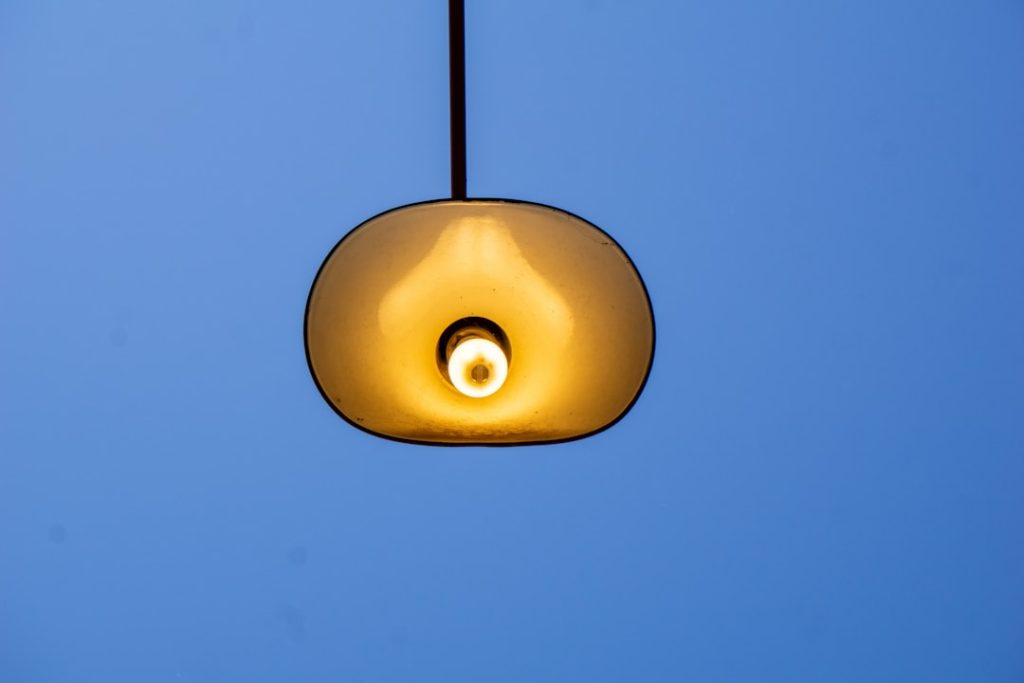
So, you’re thinking about an alabaster pendant light for your kitchen? That’s a fantastic choice if you’re aiming for a blend of subtle luxury and practical illumination. Alabaster isn’t just about aesthetics; it offers a unique way to diffuse light that can make a real difference in your kitchen’s ambiance. This guide will walk you through what makes alabaster a great option, how to choose the right one, and some practical considerations to get the most out of your investment.
When you think of kitchen lighting, you might immediately picture bright, task-focused fixtures. And while that’s important, there’s also a desire for something more. Alabaster pendant lights offer a middle ground, bringing a sophisticated warmth that elevates your kitchen beyond just a functional space.
The Unique Properties of Alabaster
Alabaster is a soft, fine-grained gypsum that has been used for centuries in art and architecture. Its key characteristic for lighting is its translucency. Unlike opaque materials that block light, alabaster allows light to pass through.
- Soft Light Diffusion: This is where alabaster truly shines. Instead of harsh, direct light, alabaster diffuses the light source, creating a softer, more diffused glow. This means fewer harsh shadows and a more comfortable, inviting atmosphere. Imagine the difference between looking directly into a bare bulb versus seeing a lamp with a shade – alabaster acts like a natural, elegant shade.
- Natural Material Elegance: There’s a certain inherent beauty to natural materials. Alabaster, with its subtle veining and creamy white appearance, brings an organic, understated elegance to your kitchen. It’s a material that whispers luxury rather than shouting it. Each piece can have unique variations, making your fixture one-of-a-kind.
- Durability and Maintenance: While it’s a soft stone, alabaster is reasonably durable for lighting applications. It’s not the kind of material you’d be knocking against daily. For maintenance, a simple dusting or wiping with a slightly damp cloth is usually all that’s needed. Avoid harsh cleaning chemicals, as they can dull the finish.
Alabaster vs. Other Shade Materials
Comparing alabaster to other common pendant light shade materials helps paint a clearer picture of its benefits.
- Glass: Glass shades can range from clear, which offers direct light, to frosted, which diffuses light. Frosted glass can achieve a similar diffusion effect, but it often lacks the natural, veined depth of alabaster. Clear glass can be too harsh without additional diffusing elements.
- Fabric: Fabric shades offer a soft glow but can be prone to dust accumulation and potential staining or damage from humidity and cooking grease in a kitchen environment. They might also feel less formal than alabaster.
- Metal: Metal shades are excellent for directing light downwards, ideal for task lighting. However, they offer no light diffusion upwards or sideways, creating a very focused beam and potentially leaving other areas of the kitchen feeling dimmer.
- Acrylic/Plastic: These can mimic the look of glass or other materials, but they generally lack the tactile and visual richness of natural alabaster. They can also yellow over time with exposure to heat and light.
Types of Alabaster Pendant Lights
When you start looking for an alabaster pendant, you’ll find a variety of styles and designs. The “type” often refers to the shade shape and how it’s integrated with the fixture’s hardware.
Shape and Silhouette Considerations
The form of the alabaster shade is crucial to both its light output and its style. Pendant lights are often defined by their shades.
- Globe/Sphere: These classic shapes offer a balanced diffusion of light in all directions. A spherical alabaster shade casts a gentle, all-around glow that’s excellent for general ambiance. They work well over islands or dining areas within an open-plan kitchen.
- Drum: Similar to a cylinder, drum shades offer a more upright and linear diffusion of light. These can be particularly effective for providing focused downward light while also allowing some spill upwards, creating a balanced lighting scheme.
- Bowl/Bell: These shapes tend to direct light more downwards, with a wider opening at the bottom. While alabaster still diffuses the light, the shape can help concentrate illumination where you need it most, like over countertops or a sink.
- Unique/Sculptural: Some designers create more artistic, irregular shapes with alabaster. These can become a real statement piece, showcasing the natural beauty of the stone and adding a bespoke feel to your kitchen.
Hardware Finishes and Their Impact
The metal components of the pendant light – the canopy, stem, and bulb holder – are just as important as the shade itself for the overall aesthetic.
- Brushed Nickel/Satin Nickel: A very popular choice for a modern, clean look. It’s not too shiny and complements a wide range of kitchen cabinet styles and countertop materials. It offers a contemporary feel without being overly trendy.
- Polished Nickel: For a slightly more formal or traditional kitchen, polished nickel offers a brighter gleam. It reflects light well and can make the overall fixture feel more substantial.
- Brass (Antique, Aged, Polished): Brass finishes can bring warmth and a touch of vintage charm. Antique or aged brass has a softer, muted look, while polished brass offers a bolder, more lustrous statement. This works particularly well in kitchens with warmer wood tones or classic cabinetry.
- Matte Black: A bold and modern choice, matte black hardware can create a striking contrast with the creamy white of alabaster. It’s excellent for creating a graphic, contemporary look and can make the alabaster shade really pop visually.
- Bronze (Oil-Rubbed, Dark Bronze): These finishes offer a rich, earthy tone that can lean towards traditional or rustic aesthetics. Oil-rubbed bronze, with its subtle variations in color, adds depth and character.
Practicalities of Kitchen Lighting with Alabaster
Beyond just looking good, your pendant light needs to work. In a kitchen, this means considering how it’ll perform its primary function: providing light.
Placement and Scale
Getting the placement and size right is more than just aesthetics; it impacts functionality.
- Over Kitchen Islands: This is perhaps the most common placement. For islands, consider the size of the island. A single, larger pendant or a symmetrical arrangement of two or three smaller pendants usually works best. The goal is to illuminate the surface without making it feel cramped. Generally, aim for at least 30 inches of clearance between the bottom of the pendant and the surface of the island.
- Over Dining Nooks/Tables: If you have a dining area integrated into your kitchen, an alabaster pendant can define the space and provide a lovely ambient light for meals. Ensure it’s hung at a height that doesn’t obstruct views or conversation.
- Symmetrical Arrangements: For longer spans or multiple functions (e.g., two islands or one island and a sink), symmetrical placement creates a sense of order and balance. The spacing between pendants is key – not too close to feel cluttered, not too far apart to feel disconnected.
- Scale to Your Ceiling Height: A very large pendant can overwhelm a low ceiling, while a tiny one can get lost in a double-height space. Measure your ceiling height and consider the overall proportions of your kitchen when selecting the size of your alabaster pendant.
Light Output and Bulb Choice
The light bulb inside your alabaster pendant is crucial to the overall effect.
- Warm White vs. Cool White Bulbs: For a kitchen, especially one with alabaster, warm white (around 2700K-3000K) is generally preferred. This mimics natural daylight and creates a cozy, inviting atmosphere. Cool white (above 4000K) can feel sterile and is better suited for true task lighting in workshops or labs.
- Dimmability: Most modern LED bulbs are dimmable, and this is highly recommended for kitchen lighting. It allows you to adjust the mood from bright and functional for cooking to soft and ambient for dining or relaxing.
- LED vs. Incandescent/Halogen: LED bulbs are the standard now due to their energy efficiency and long lifespan. They also produce less heat, which is beneficial for delicate materials and for reducing your energy bills. Ensure the LED bulb you choose is compatible with your fixture’s dimmer if you opt for one.
- Lumens (Brightness): The lumen output of the bulb determines its brightness. For general kitchen lighting, you might aim for bulbs with around 800-1100 lumens per fixture. You can always add more fixtures if you need more overall brightness.
Integrating Alabaster Pendants into Your Kitchen Design
Alabaster has a certain innate sophistication, but it’s versatile enough to fit into various kitchen styles.
Modern and Minimalist Kitchens
In a modern kitchen, alabaster offers a touch of organic softness that can temper sharp lines and cool color palettes.
- Sleek Hardware: Pair alabaster with simple, unadorned hardware finishes like matte black or brushed nickel. This keeps the focus on the clean lines of the pendant and the diffused light.
- Contrasting Cabinetry: An alabaster pendant can provide a beautiful contrast against dark or highly contrasting cabinetry. The creamy white shade will pop against deep blues, greens, or sleek greys.
- Understated Elegance: The natural veining in the alabaster adds a subtle pattern, preventing the minimalist design from feeling too stark or cold. It introduces texture without being busy.
Transitional and Contemporary Kitchens
Transitional kitchens blend elements of traditional and modern design, and alabaster fits perfectly here.
- Balanced Hardware: Finishes like polished nickel or aged brass can bridge the gap between classic and contemporary elements, working well with alabaster.
- Mid-Tone Colors: Kitchens in greys, taupes, or soft blues and greens can be beautifully complemented by the neutral tone of alabaster.
- Focus on Materials: This style often celebrates a mix of materials – wood, metal, stone. Alabaster adds another natural, tactile element to this mix. A slightly more decorative hardware can also be considered here.
Farmhouse and Rustic Kitchens
While often associated with brighter, more casual styles, alabaster can add a refined touch to a farmhouse or rustic kitchen.
- Vintage-Inspired Hardware: Think antique brass, oil-rubbed bronze, or even a wrought iron finish. These complement the earthy, natural feel.
- Warm Wood Tones: Alabaster pairs beautifully with wooden cabinets or exposed beams, adding a touch of sophisticated texture.
- Softened Contrast: Instead of stark white, alabaster offers a creamier, softer contrast against natural wood or painted finishes, making it feel more integrated and less jarring. It provides a subtle upgrade from more utilitarian lighting.
Maintenance and Care for Alabaster
Keeping your alabaster pendant light looking its best is straightforward, but requires a gentle approach.
Cleaning Your Alabaster Shade
Given its natural origin and soft texture, alabaster requires specific care.
- Regular Dusting: The simplest and most effective way to maintain alabaster is with regular dusting. Use a soft, dry microfiber cloth. This will prevent dust from settling and dulling the natural finish.
- Gentle Wiping: For any mild surface marks, use a slightly damp cloth. Ensure the cloth is not overly wet. After wiping, immediately follow with a dry cloth to remove any residual moisture.
- Avoid Harsh Chemicals: Never use abrasive cleaners, ammonia-based products, or acidic cleaners on alabaster. These can etch the surface, create streaks, or permanently damage the stone’s finish.
Protecting Your Fixture
Beyond cleaning, a few other tips can help preserve your alabaster pendant.
- Avoid Excessive Heat: While alabaster can withstand the heat from LED bulbs, prolonged exposure to very high temperatures from other bulb types can potentially cause discoloration or drying over time, though this is less of a concern with modern lighting.
- Handle with Care During Installation and Cleaning: Alabaster can be brittle, so avoid impact or applying excessive pressure. When cleaning or changing bulbs, ensure you have a stable footing and handle the shade with gentle but firm grip.
- Consider Bulb Type: As mentioned, LED bulbs are ideal as they generate minimal heat and are energy-efficient.
Where to Find Elegant Alabaster Pendant Lights
Finding the right fixture involves looking in the right places, and the range of options means you can likely find something to suit your taste and budget.
Online Retailers for Variety
The internet offers an unparalleled selection, making it a prime starting point.
- Large Lighting Stores Online: Websites like Lumens, YLighting, and Circa Lighting often have curated selections of designer and high-quality lighting. You’ll find a wide range of alabaster options from various brands.
- General Home Decor Sites: Amazon, Wayfair, and Overstock also carry alabaster pendants, often at more accessible price points. It’s important to read reviews carefully on these platforms to gauge quality and customer satisfaction.
- Specialty Artisan Sites: Websites focusing on handmade or artisanal goods (like Etsy, though with caution and careful vetting) can sometimes offer unique, one-of-a-kind alabaster pieces crafted by independent makers.
Brick-and-Mortar Showrooms
For those who prefer to see and touch before buying, physical showrooms are invaluable.
- Local Lighting Showrooms: These are often staffed by knowledgeable professionals who can offer personalized advice and demonstrate the quality of different fixtures. They may carry higher-end or custom options.
- Design Centers: Larger metropolitan areas often have design centers with multiple lighting showrooms under one roof, providing a broad overview of what’s available.
When searching, use specific terms like “alabaster pendant light,” “natural stone pendant,” or “translucent stone pendant” to refine your results. Pay attention to the fixture’s dimensions, the material details, and the listed hardware finish to ensure it aligns with your kitchen’s design and your functional needs.