Enhance Outdoor Dining with Rechargeable Cordless Table Lamp

Outdoor dining, the act of consuming meals in an open-air setting, has seen a resurgence in popularity. This trend is influenced by various factors, including a desire for connection with nature and the expansion of culinary experiences beyond traditional indoor spaces. A key element contributing to the success and ambiance of outdoor dining, particularly during twilight hours and into the evening, is appropriate lighting. Historically, this has involved candles, lanterns, or wired fixtures, each with its own set of limitations. The advent of rechargeable cordless table lamps has introduced a new dynamic to this practice, offering functional illumination and contributing to the aesthetic appeal of outdoor dining environments without the constraints of electrical cords or the frequent replacement of disposable fuel sources. This article explores the evolution of outdoor dining lighting, focusing on the utility, design, and practical considerations of rechargeable cordless table lamps.
The desire to dine outdoors is not a recent phenomenon. Throughout history, cultures have embraced al fresco meals for social gatherings, celebrations, and simple enjoyment. Early forms of outdoor dining often relied on natural light. As the day transitioned into evening, illumination became a necessity.
Early Forms of Outdoor Illumination
Candles, placed in protective holders or directly on tables, were a common source of light. Their flickering flames offered a romantic, albeit often dim, glow. The portability of candles was a significant advantage, allowing them to be moved as needed. However, they presented several drawbacks: susceptibility to wind, the potential for wax drips, and the need for constant replenishment.
The Advent of Lanterns
Lanterns, whether oil-based, kerosene, or later, gas-powered, offered a more robust and often brighter light source. These could be hung or placed on surfaces, providing a more directed beam. The development of more enclosed designs improved their resilience to environmental factors like wind and rain. However, they still required fuel, presented a fire hazard if not handled with care, and often produced smoke and odors.
The Limitations of Wired Solutions
The introduction of electricity brought about wired table lamps and string lights. These offered reliable and consistent illumination, free from the limitations of fuel or open flames. However, their primary drawback for outdoor dining spaces is the reliance on accessible electrical outlets. This can lead to the unsightly presence of extension cords, creating tripping hazards and restricting the placement of tables and decorative elements. Furthermore, the installation of permanent outdoor wiring can be costly and disruptive.
The Emergence of Rechargeable Cordless Table Lamps
Rechargeable cordless table lamps represent a significant technological advancement in providing flexible and convenient lighting for outdoor dining. These luminaires, powered by internal rechargeable batteries, liberate users from the constraints of power outlets and disposable fuel.
The Core Technology: Batteries and LEDs
The functionality of a cordless table lamp hinges on two primary components: the rechargeable battery and the light-emitting diode (LED).
Rechargeable Battery Systems
Modern cordless lamps typically employ lithium-ion or lithium-polymer batteries. These battery types offer a favorable balance of energy density, lifespan, and charge cycles compared to older battery technologies. The capacity of the battery dictates the duration of illumination between charges. Manufacturers often specify the expected runtime in hours for various brightness settings. Charging is usually accomplished via a USB cable connected to a power adapter, power bank, or even a computer.
The Efficiency of LED Technology
LEDs have revolutionized lighting due to their exceptional energy efficiency, longevity, and versatility. Unlike incandescent bulbs, which generate a significant amount of heat, LEDs produce light with minimal thermal output. This is particularly beneficial for outdoor applications, as it reduces the risk of damaging surrounding materials and contributes to a cooler dining experience. LEDs also offer a wide spectrum of color temperatures, allowing for the creation of different moods and atmospheres.
Design and Portability
The design of rechargeable cordless table lamps is a key factor in their suitability for outdoor dining. Portability and sturdiness are paramount.
Materials and Construction
Many cordless table lamps are constructed from weather-resistant materials such as aluminum, durable plastics, or treated wood. These materials are chosen for their ability to withstand exposure to the elements, including sunlight, moisture, and temperature fluctuations. The finish of the lamp also plays a role in its durability and aesthetic appeal. Powder coating and anodizing are common treatments that enhance resistance to corrosion and fading.
Form Factors and Styles
The variety of form factors and styles available caters to diverse aesthetic preferences and functional requirements. Some lamps mimic traditional candle holders, while others adopt modern, minimalist designs. Many feature integrated handles or ergonomic shapes for easy transport. The size and weight of the lamp are also important considerations for portability. A compact and lightweight design facilitates moving the lamp from storage to the table and back.
User Interface and Control Features
Intuitive user interfaces and a range of control features enhance the practicality of rechargeable cordless table lamps.
Brightness Adjustment
The ability to adjust the brightness of the light is a crucial feature for creating the desired ambiance. Dimmable lamps allow users to transition from brighter task lighting when serving food to a softer, more intimate glow for conversation. This is often controlled via a touch-sensitive surface or a physical button.
Color Temperature Options
Some advanced models offer the ability to adjust the color temperature of the light. This allows users to select between warm white light, which promotes relaxation and intimacy, or cooler white light, which can be more energizing or suitable for specific tasks. This feature adds another layer of customizable atmosphere to the dining experience.
Convenience Features
Additional convenience features can include battery level indicators, which provide visual cues about the remaining charge, and timer functions, which automatically switch off the lamp after a set period. Some lamps are also designed with integrated hooks or magnetic bases for versatile placement.
Enhancing the Dining Experience
The primary benefit of rechargeable cordless table lamps lies in their ability to elevate the outdoor dining experience by providing adaptable and aesthetically pleasing illumination.
Creating Ambiance and Setting the Mood
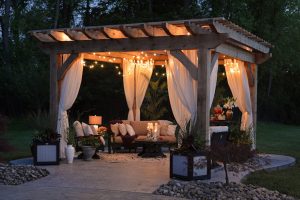
Light is a powerful tool for shaping atmosphere. Cordless table lamps allow for precise control over this atmospheric element. By strategically placing lamps, diners can create a sense of intimacy and warmth.
The Impact of Dim Lighting
Soft, dim lighting, achievable with many cordless lamps, can transform a functional dining space into a cozy retreat. This type of illumination encourages relaxation and fosters deeper conversation. It reduces the harshness of direct overhead lights and creates pools of warm light that draw attention to the table setting and the people gathered.
Strategic Placement for Visual Appeal
The placement of cordless lamps is as important as their brightness and color. Instead of a single, harsh light source, multiple lamps can create a layered lighting effect. Placing them at each end of a table, or flanking a centerpiece, can enhance visual depth and highlight specific elements of the dining setup. They act as little beacons, guiding the eye and creating focal points.
Practical Benefits for Outdoor Dining
Beyond aesthetics, cordless lamps offer tangible practical advantages that simplify and improve the outdoor dining process.
Freedom from Cords and Outlets
The most significant practical benefit is the complete elimination of electrical cords. This removes the inherent tripping hazard and the visual clutter that cords introduce. It grants absolute freedom in table placement, allowing for dining in any part of a garden, patio, or even a picnic area, regardless of proximity to an electrical socket. The table can be an island of light, unmoored from the shore of the nearest wall outlet.
Durability and Weather Resistance
Designed for outdoor use, these lamps are typically built to withstand moderate exposure to the elements. This means they can be left out during light rain showers or breezy evenings without significant concern. Their robust construction ensures they can endure the rigors of outdoor entertaining.
Extended Usage and Cost-Effectiveness
The rechargeable nature of these lamps offers a significant long-term cost advantage over disposable candles or battery-operated lights that require frequent replacement. A single charge can provide hours of illumination, and the rechargeable batteries themselves have a long lifespan. This translates to reduced waste and lower ongoing expenses.
Considerations for Selection and Use
When choosing and using rechargeable cordless table lamps, several factors merit attention to ensure optimal satisfaction and performance.
Battery Life and Charging Time
The duration for which a lamp can operate on a single charge is a critical specification. This varies considerably between models and is often influenced by the brightness setting.
Assessing Runtime Needs
Consider the typical length of your outdoor dining sessions. If you frequently host lengthy gatherings that extend well into the night, a lamp with a longer battery life will be essential. Some lamps offer hot-swappable battery packs, allowing for continuous operation by simply replacing a depleted battery with a charged one.
Understanding Charging Infrastructure
The time it takes to fully recharge a lamp is also a practical consideration. If you plan to use a lamp frequently, a shorter charging time will be more convenient. Ensure you have an available USB power source for charging.
Light Output and Quality
The type and intensity of light produced by a lamp are fundamental to its purpose.
Lumens and Brightness Levels
Light output is typically measured in lumens. While higher lumen counts indicate brighter light, it’s important to consider the context of outdoor dining. Overly bright lamps can be intrusive. Dimmable options provide the most flexibility.
Color Rendering Index (CRI)
The Color Rendering Index (CRI) indicates how accurately a light source reveals the true colors of objects and food. A higher CRI is generally desirable for dining, as it makes food appear more appetizing and the overall scene more vibrant. Look for lamps with a CRI of 80 or above.
Durability and Maintenance Requirements
The materials and construction of a lamp will dictate its longevity and the amount of maintenance required.
Weatherproofing Standards
While many lamps are designed for outdoor use, their specific level of weatherproofing can vary. Look for specifications regarding water and dust resistance (e.g., IP ratings) if you intend to expose them to varying weather conditions.
Cleaning and Care
Understand the cleaning and care instructions provided by the manufacturer. Most lamps will require occasional dusting or wiping down with a damp cloth. Avoid harsh chemicals that could damage the finish or internal components.
Integration into Outdoor Decor
Rechargeable cordless table lamps are not merely functional items; they are also decorative elements that can contribute significantly to the overall aesthetic of an outdoor dining space.
Harmonizing with Existing Styles
The design of the lamp should complement the existing style of your outdoor furniture, landscaping, and architectural elements.
Selecting Complementary Materials and Finishes
If your outdoor furniture is made of natural wood, a lamp with a wooden accent or a brushed metal finish might integrate seamlessly. For modern, minimalist settings, sleek lines and contemporary materials like anodized aluminum would be suitable.
Matching the Overall Color Palette
The color of the lamp itself can also be a design consideration. Neutral tones like black, white, or grey are versatile. More adventurous choices can be made if the lamp is intended to be a focal point or to introduce a pop of color.
Creating Layered Lighting Designs
The use of multiple cordless lamps allows for the creation of sophisticated lighting schemes.
Combining Different Lamp Styles
Don’t feel limited to using identical lamps. A combination of different styles, perhaps a taller lamp at one end of the table and a smaller, more decorative one in the center, can add visual interest and depth.
Integrating with Other Outdoor Lighting
Cordless lamps can effectively complement existing outdoor lighting, such as string lights, pathway lights, or garden spotlights. They provide focused illumination where it’s most needed – directly on the dining surface.
The Future of Outdoor Dining Illumination
The ongoing evolution of lighting technology and sustainable energy solutions suggests a bright future for rechargeable cordless table lamps in enhancing outdoor dining.
Advancements in Battery Technology
Future iterations are likely to feature even more energy-dense batteries, offering longer runtimes and potentially faster charging times. Innovations in battery management systems will further optimize efficiency.
Smart Home Integration and Connectivity
The integration of smart technology could see cordless lamps offering Wi-Fi or Bluetooth connectivity. This would enable remote control via smartphone apps, allowing for scene setting, scheduling, and integration with other smart home devices. Imagine your outdoor lights subtly dimming and warming as the sun sets, all managed by your home’s automation system.
Sustainable Materials and Energy Harvesting
Increased emphasis on sustainability may lead to lamps incorporating recycled materials or even elements of energy harvesting. Solar-powered charging integrated into the lamp design, while currently challenging for consistent indoor/evening use, could become a more viable option with continued technological progress.
Adaptable Light Spectrum and Control
Further advancements might allow for dynamic adjustment of the light spectrum throughout the evening. This could mimic natural light cycles, potentially influencing circadian rhythms and enhancing the overall dining experience from a physiological perspective.
In conclusion, the rechargeable cordless table lamp has moved beyond being a mere novelty to become an essential component of modern outdoor dining. It offers a harmonious blend of practicality, aesthetic versatility, and technological sophistication, empowering individuals to transform their outdoor spaces into inviting and functional dining environments. The freedom from cords, the adaptability of light, and the growing emphasis on sustainable design position these lamps as a key element in the continued evolution of how we dine al fresco.