Charming Vintage Lantern Lights for Cottage Entryways
The entryway serves as the first impression of a home, a threshold where the outside world meets the private sanctuary within. For cottages, characterized by their quaint architecture and often rustic charm, the lighting choice for this transitional space plays a crucial role in establishing the desired atmosphere. Vintage lantern lights have emerged as a popular and fitting option, offering a blend of historical aesthetics and functional illumination. These fixtures are not merely sources of light; they are design elements that can imbue a cottage entryway with character and warmth, acting as beacons that guide visitors and residents alike.
Cottage architecture, which originated in the vernacular traditions of rural dwellings, often evokes a sense of simplicity, comfort, and connection to nature. These homes frequently feature natural materials like stone, wood, and brick, alongside elements such as steep roofs, dormer windows, and decorative trim. The inherent charm of a cottage lies in its unpretentiousness and often handcrafted feel. Vintage lantern lights Vanhouzen resonate with this aesthetic by drawing inspiration from historical lighting designs, many of which were developed during periods when craftsmanship and durability were paramount.
Historical Roots of Lantern Design
The concept of a lantern dates back centuries, evolving from simple enclosed flames to more sophisticated designs. Early lanterns, typically made of metal and glass or horn, were essential for providing portable light, allowing movement after dark. As gas and later electric lighting became prevalent, the form of the lantern adapted, but its characteristic enclosure and often decorative metalwork persisted. This historical lineage imbues vintage lantern lights with an authentic sense of place and time, making them a natural fit for the historical character of many cottages.
Early Portable Lighting
The earliest forms of lanterns were pragmatic devices designed to protect a light source from wind and weather. These were often carried by hand, serving as mobile illuminations for navigating dark pathways or interiors. Materials were basic, reflecting availability and function.
Evolution with Gas and Electric Illumination
The advent of gas lighting in the 19th century led to more elaborate lantern designs, often adorning the exteriors of buildings. Electric lighting later replaced gas, but the stylistic conventions of gas lanterns, such as enclosed glass panes and decorative metal frames, continued to influence the design of electric fixtures.
Materials and Craftsmanship in Vintage Lanterns
Vintage lanterns, or those designed in a vintage style, often emphasize the quality of their materials and the nuances of their construction. Unlike mass-produced modern lighting, these fixtures frequently incorporate elements that speak to a bygone era of meticulous workmanship.
Metal Finishes: Patina and Durability
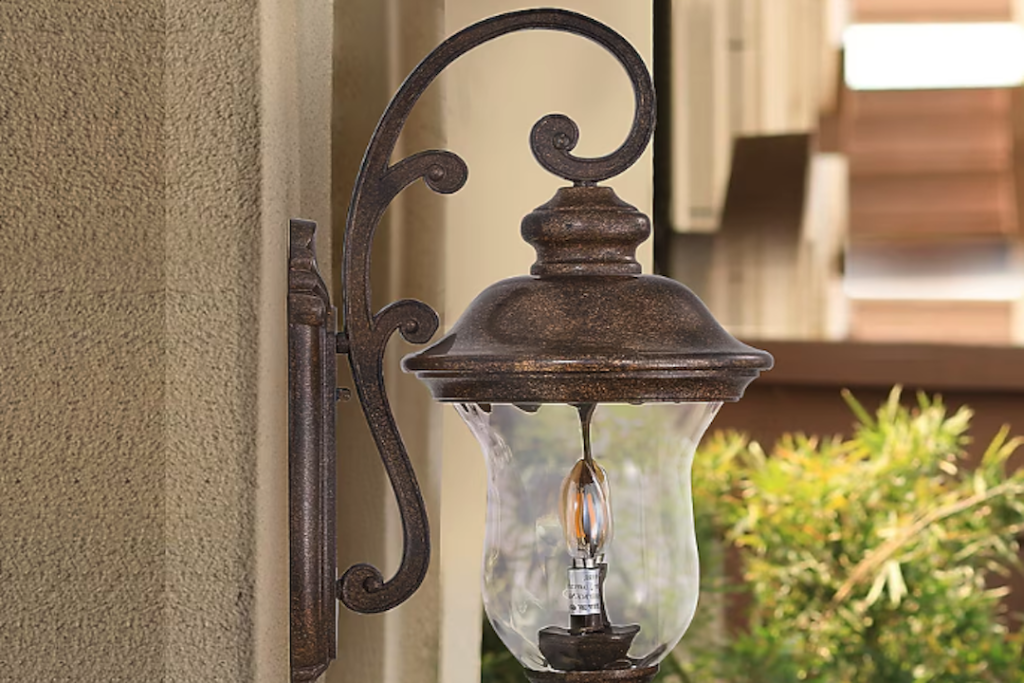
Common metal finishes found in vintage lanterns include wrought iron, bronze, brass, and copper. These materials, especially when treated to achieve a patinated effect, offer a visual depth and character that newer, shinier finishes often lack. A well-chosen patina can evoke the passage of time, mirroring the established character of a cottage.
Wrought Iron and its Rustic Appeal
Wrought iron, with its inherent strength and ability to be shaped into intricate forms, is a quintessential material for rustic and vintage designs. Its dark, matte finish often complements the natural materials prevalent in cottages, such as timber framing or stone walls.
Brass and Bronze: Timeless Elegance
Brass and bronze offer a warmer metallic tone and, when aged, develop a rich patina that adds a sense of history. These metals are known for their durability and can withstand exposure to the elements, making them suitable for outdoor entryway applications.
Glass Panes: Clarity and Diffusion
The glass used in vintage lanterns varies, contributing to both the light quality and the overall aesthetic. Clear glass provides unobstructed illumination, while frosted, seeded, or patterned glass can diffuse light, creating a softer, more ambient glow. The style of the glass panels, such as panels with leading or individual panes held by metal mullions, further contributes to the vintage character.
Seeded Glass: A Touch of Organic Texture
Seeded glass, characterized by small, irregular bubbles trapped within the glass, offers a subtle texture that can soften light and add visual interest. This imperfection is often seen as desirable in vintage-inspired pieces, reflecting a handmade quality.
Frosted Glass and Light Diffusion
Frosted glass offers a milky opacity that spreads light evenly, reducing glare and creating a gentle illumination. This can be particularly effective for creating a welcoming and serene atmosphere at an entryway.
The “Cottagecore” Influence and Lighting Choices
The rise of the “cottagecore” aesthetic, which romanticizes rural life and embraces a natural, handmade, and vintage sensibility, has significantly impacted interior and exterior design trends. Vintage lantern lights align perfectly with this movement, providing a tangible link to the idealized past that cottagecore celebrates. For those seeking to infuse their cottage entryways with this specific charm, vintage lanterns are a natural and fitting choice.
Embracing Imperfection and Authenticity
Cottagecore values the beauty of handmade objects and the character that comes with age and use. This appreciation extends to lighting, where patinated finishes and slight imperfections are seen not as flaws, but as markers of authenticity and history.
Natural Light and Evening Ambiance
While cottagecore often appreciates natural light during the day, the evening ambiance is equally important. Vintage lanterns, with their ability to cast a warm, inviting glow, contribute to the cozy and romantic atmosphere associated with this aesthetic.
Types of Vintage Lantern Lights for Cottage Entryways
The term “vintage lantern light” encompasses a range of styles and designs, each with its own historical inspiration and aesthetic appeal. When selecting a lantern for a cottage entryway, understanding these variations is key to making an informed choice that complements the specific architectural character of the dwelling.
Wall-Mounted Lanterns: Classic and Versatile
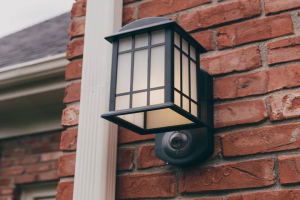
Wall-mounted lanterns are perhaps the most common type of exterior light fixture for entryways. For cottages, vintage-inspired wall lanterns offer a balance of practicality and decorative appeal, providing illumination while also enhancing the facade.
Gooseneck Lanterns: Nautical and Farmhouse Accents
Gooseneck lanterns, characterized by their curved arm extending from the wall, often evoke a nautical or farmhouse sensibility. The downward-facing shade directs light effectively onto the walkway or porch.
Marine-Inspired Designs
Many gooseneck lanterns are derived from designs used on ships and docks, offering a robust and functional aesthetic. Their clean lines and clear glass can be a good fit for cottages with coastal or more minimalist inclinations.
Farmhouse Adaptations
In a farmhouse context, gooseneck lanterns can be paired with darker, matte finishes and slightly more decorative shades, reinforcing a rustic and utilitarian feel.
Post-Mount Lanterns: Central Illumination
While typically mounted on a post, some designs can be adapted for wall mounting or can be considered as a central fixture near the entryway. These lanterns often offer a more substantial presence.
Traditional Lantern Shapes
These often feature classic lantern silhouettes with metal frames and multiple glass panes, providing a broad spread of light.
Flush-Mount and Semi-Flush Mount Options
For covered entryways or porches with limited depth, flush-mount or semi-flush mount lanterns can offer a more integrated look. Vintage designs in this category often retain the characteristic lantern shape within a more compact form.
Compact and Decorative Designs
These fixtures prioritize form as much as function, often featuring decorative metalwork and textured glass to add visual interest without protruding excessively.
Hanging Lanterns: Statement Pieces for Covered Porches
Hanging lanterns are ideal for entryways with covered porches or porticos, where they can serve as a focal point and create a welcoming atmosphere. These fixtures can range from delicate to substantial, depending on the scale of the entryway.
Pendant Lanterns: Understated Elegance
Pendant lanterns hang from a chain or rod and offer a clean, often minimalist silhouette. Vintage pendant lanterns for cottages often feature simple metalwork and clear or seeded glass.
Suspended Illumination
The act of suspending a light source can add a sense of ceremony and highlight the entryway, drawing attention to the main point of access.
Chandelier Lanterns: Elaborate Accents
For larger or more grand cottage entryways, lantern-style chandeliers can provide both illumination and a decorative flourish. These fixtures often incorporate multiple bulbs and more intricate metalwork.
Grand Entrances and Feature Lighting
These are best suited for entryways that can accommodate their size and visual weight, acting as a prominent decorative element.
Lantern-Style Sconces: Accents of Warmth
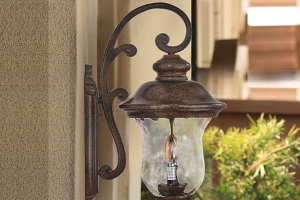
Lantern-style sconces are similar to wall-mounted lanterns but often have a more decorative and less utilitarian focus, providing accent lighting rather than primary illumination.
Decorative Frames and Glass
These sconces might feature scrollwork, filigree, or unique glass treatments that emphasize their decorative qualities.
Adding Subtle Charm
They can be used in conjunction with other lighting or as a standalone accent to enhance the charm of the entryway.
Selecting the Right Vintage Lantern Light for Your Cottage Entryway
Choosing the appropriate vintage lantern light for a cottage entryway involves a consideration of several factors, balancing aesthetic preferences with practical requirements. The goal is to select a fixture that not only illuminates the space effectively but also enhances the overall character of the cottage.
Scale and Proportion: A Harmonious Fit
The size of the lantern light should be proportionate to the entryway and the overall scale of the cottage. An oversized lantern on a small doorway can appear overwhelming, while a diminutive fixture on a large facade can be lost.
Entryway Width and Height Considerations
As a general guideline, the width of a lantern should be roughly one-third to one-quarter of the width of the door it is flanking. The height of a wall-mounted lantern should typically be positioned at a height that illuminates the doorway without being directly at eye level.
Rule of Thumb for Lantern Sizing
Many designers suggest that the height of a wall lantern should be about two-thirds of the height of the door, or that the bottom of the lantern should be approximately 60-66 inches from the ground.
Proportionality in Hanging Fixtures
For hanging lanterns on covered porches, their scale should complement the size of the porch and the door. A lantern that is too small will fail to make a statement, while one that is too large can make the space feel cramped.
Balancing Visual Weight
The visual weight of the lantern should be in harmony with the surrounding architectural elements. A heavy, ornate lantern might be appropriate for a substantial stone cottage, while a lighter, simpler design might suit a more delicate wooden cottage.
Style Compatibility: Echoing the Cottage Aesthetic
The style of the vintage lantern light should align with the specific architectural style of the cottage. While “cottage” can encompass a range of looks, from rustic to more refined, the chosen lighting should feel like a natural extension of the home’s design.
Rustic Cottages and Natural Materials
For cottages with a strong emphasis on natural materials like rough-hewn wood, stone, and exposed beams, lanterns crafted from wrought iron, aged bronze, or patinated copper with simple, clear, or seeded glass are often suitable.
Earth Tones and Unfinished Textures
Lanterns with darker, matte finishes and a slightly rugged texture tend to integrate well with the raw beauty of rustic cottages.
Traditional or English Cottages and Refined Details
Cottages with more symmetrical designs, decorative trim, or painted facades might benefit from lanterns with a touch more refinement. These could include lanterns with brass or bronze finishes, more intricate metalwork, or glass panes with leading.
Elegant Silhouettes and Polished Accents
Fixtures that offer a balance of classic design and well-finished materials can complement the more structured elegance of these cottage styles.
Light Output and Distribution: Functionality and Ambiance
Beyond aesthetics, the functional aspect of the lighting is crucial. The lantern should provide adequate illumination for safety and security, while also contributing to the desired ambiance.
Brightness and Coverage Area
Consider the area that needs to be illuminated. A single, low-wattage lantern might be sufficient for a small, well-lit porch, while a larger entryway or a longer walkway might require a brighter fixture or multiple lights.
Lumens and Bulb Types
Understanding lumen output is important for gauging brightness. For vintage-style fixtures, LED bulbs designed to mimic incandescent warmth are a practical and energy-efficient choice.
Downward vs. Upward Light Distribution
The direction of light output can impact the overall effect. Downward-facing lights are effective for illuminating pathways and steps, while lanterns that cast light both up and down can create a more dramatic and inviting effect.
Creating Welcoming Glow
The goal is often to create a warm, inviting glow that welcomes visitors without being harsh or overly bright.
Durability and Weather Resistance: Longevity in the Elements
Exterior lighting fixtures are subjected to the rigors of weather, including rain, sun, and temperature fluctuations. Choosing a lantern made from durable materials with appropriate finishes will ensure its longevity and continued aesthetic appeal.
Material Quality and Construction
High-quality metalwork and robust glass panes are essential for exterior lanterns. Look for fixtures that are specifically designed for outdoor use.
Corrosion Resistance
Materials like brass and copper, when properly treated, offer good resistance to corrosion. Wrought iron or steel should have protective coatings.
Finish and Maintenance
The finish of the lantern will impact its durability and the level of maintenance required. Patinated finishes, while aesthetically pleasing, may require occasional cleaning or sealing to maintain their appearance.
Protecting Against the Elements
Regular cleaning and occasional reapplication of protective coatings can help extend the life of the lantern.
Installation and Maintenance Considerations for Vintage Lantern Lights
Proper installation and ongoing maintenance are crucial for ensuring both the functionality and the longevity of vintage lantern lights, preserving their charm and effectiveness over time.
Professional Installation vs. DIY
While some homeowners may be comfortable with DIY electrical work, the installation of exterior light fixtures, especially those connected to mains power, is often best left to a qualified electrician. This ensures safety, compliance with electrical codes, and proper connection to the power source.
Electrical Safety and Code Compliance
An electrician will have the knowledge and tools to safely connect the lantern, ensuring proper grounding and load balancing. They will also be aware of local building codes and regulations pertaining to exterior lighting.
Ensuring a Secure and Reliable Connection
A professional installation minimizes the risk of electrical faults, short circuits, or the fixture becoming loose over time due to inadequate mounting.
Mounting and Weather Sealing Techniques
Correct mounting is essential to prevent the lantern from becoming dislodged by wind or vibration. Furthermore, proper weather sealing around the mounting area will prevent water ingress, which can lead to corrosion or damage to the electrical components.
Preventing Water Damage and Corrosion
The junction between the lantern, its mounting bracket, and the wall or post should be meticulously sealed to prevent moisture from compromising the fixture.
Regular Cleaning and Care
Vintage lanterns, especially those with intricate metalwork or textured glass, benefit from regular cleaning to maintain their appearance and functionality.
Cleaning Metal Components
Dust and debris can accumulate on metal surfaces, dulling their finish. Gentle cleaning with a soft cloth and mild soap is usually sufficient. For more stubborn grime, specialized metal cleaners can be used, but it’s important to follow the manufacturer’s instructions to avoid damaging the finish.
Restoring Patina vs. Removing Patina
When cleaning, it’s important to distinguish between removing dirt and inadvertently stripping away intentional patinas. For some finishes, a light dusting might be all that is required.
Caring for Glass Panes
Glass panes should be cleaned regularly to ensure maximum light transmission. Mild glass cleaner and a soft, lint-free cloth are typically effective. For seeded or frosted glass, avoid abrasive cleaners that could scratch or damage the surface.
Maintaining Clarity and Light Quality
Clean glass ensures that the lantern can effectively cast its intended light, contributing to the welcoming atmosphere of the entryway.
Bulb Replacement and Electrical Checks
Like any light fixture, vintage lanterns require periodic bulb replacement. It’s also wise to conduct occasional visual checks of the wiring and fixture for any signs of wear or damage.
Choosing Appropriate Bulbs
When replacing bulbs, ensure that the new bulbs are compatible with the fixture’s wattage and socket type. For vintage aesthetics, consider using LED bulbs designed to mimic the warm glow of incandescent bulbs.
Energy Efficiency and Longevity of LEDs
LEDs offer significant energy savings and a much longer lifespan compared to traditional incandescent bulbs, reducing the frequency of replacements.
Periodic Inspection of Wiring and Fixture Integrity
Periodically inspect the visible wiring for any signs of fraying or damage. Also, check that the lantern is still securely mounted and that there are no loose parts.
Addressing Minor Issues Before They Become Major Problems
Early detection of minor issues, such as loose screws or minor corrosion, can prevent more significant problems and ensure the continued safe operation of the light fixture.
Enhancing the Entryway with Vintage Lantern Light Arrangements
The strategic placement and combination of vintage lantern lights can transform a simple cottage entryway into a charming and inviting space. Beyond a single fixture, considering a coordinated approach can amplify the aesthetic impact.
Complementary Fixtures for a Cohesive Look
To create a truly cohesive look, consider how multiple vintage lantern lights can work together. This might involve using matching sconces on either side of the door, or a hanging lantern above with smaller wall-mounted lanterns flanking a pathway.
Symmetry and Balance in Placement
Symmetrical placement of lighting can create a sense of order and visual harmony. For instance, two identical wall lanterns placed at equal distances from the door can frame the entrance beautifully.
The Power of Two: Mirror Image Lighting
Flanking the doorway with matching lanterns creates a welcoming embrace, guiding visitors towards the entrance with a balanced illumination.
Layering Light for Depth and Dimension
Instead of relying on a single light source, layering different types of vintage lantern lights can add depth and dimension to the entryway. A central hanging lantern can provide general illumination, while smaller sconces can add accent lighting to highlight architectural features or plants.
Creating a Welcoming Glow from Multiple Sources
A combination of overhead and side lighting can eliminate harsh shadows and create a warm, inviting atmosphere that makes the entryway feel more intimate and welcoming.
Integrating Lanterns with Other Entryway Decor
Vintage lantern lights are not isolated elements; they are part of a larger design narrative for the entryway. Their integration with other decorative elements can further enhance the cottage charm.
Pairing with Natural Textures and Materials
The metal and glass of vintage lanterns naturally complement the textures of wood, stone, and plants commonly found in cottage garden designs.
Wood accents, planters, and natural fiber doormats
Consider how the lantern’s finish and style will interact with elements like a wooden bench, potted plants with terracotta or woven baskets, or a natural coir doormat.
Seasonal Decorations and Lantern Accents
Vintage lanterns can serve as a canvas for seasonal decorations. During the holidays, small wreaths or garlands can be subtly incorporated around the lantern, or battery-operated fairy lights can be intertwined for a festive glow.
Adding a Touch of Holiday Spirit
The classic design of vintage lanterns often lends itself well to incorporating festive elements without appearing out of place.
The Symbolic Role of Light in Welcome and Safety
The act of illuminating an entryway carries both symbolic and practical significance. Vintage lantern lights, with their historical resonance, can imbue this act with additional meaning.
A Beacon of Hospitality
The glow of a lantern can be interpreted as a welcoming beacon, signaling a warm and hospitable atmosphere within. This is particularly true for cottages, which often aim to evoke a sense of comfort and refuge.
Inviting Warmth and Security
A well-lit entryway not only looks inviting but also provides a sense of security, making residents and guests feel more at ease upon arrival.
Guiding the Way Home
In a more literal sense, lanterns serve to guide the way, both for visitors arriving at the cottage and for residents returning after dark. This practical function is amplified by the aesthetic appeal of vintage designs.
A Familiar Glow in the Evening Dusk
The familiar and comforting light of a lantern can be a welcome sight after a day spent away from home.