Enhance Your Outdoor Space with Lantern Style Hanging Lights
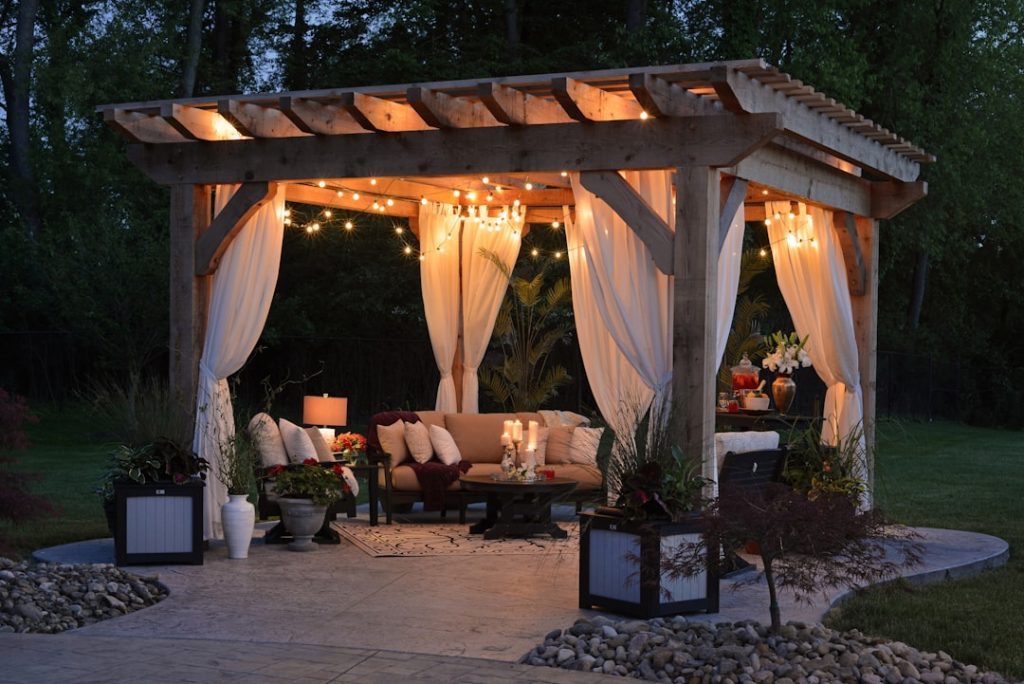
Outdoor lighting plays a significant role in both the aesthetics and functionality of external environments. Among the various options available, lantern-style hanging lights offer a versatile and often historical aesthetic. This article explores the characteristics, applications, installation, and maintenance of these fixtures, providing guidance for individuals considering their use in an outdoor space.
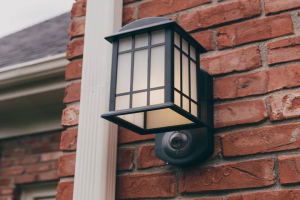
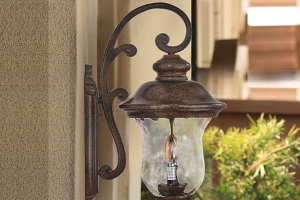
Lantern-style hanging lights Uselu are a category of outdoor lighting fixtures characterized by their enclosed light source, often housed within a protective structure resembling traditional lanterns. These fixtures are designed to be suspended from above, offering downward or ambient illumination. Their design frequently incorporates elements reminiscent of historical gas or oil lamps, though modern versions utilize various electric light sources.
Historical Context and Evolution
The concept of the lantern dates back centuries, serving as portable light sources using candles, oil, or gas. Early outdoor lighting, particularly in public spaces, often employed large variations of these designs. As electricity became widespread, the aesthetic of the lantern was adapted for wired applications. Contemporary lantern-style hanging lights often blend traditional forms with modern materials and energy-efficient technologies, such as LED bulbs. This evolution allows for a classic appearance without the maintenance demands of historical lighting methods.
Design and Material Considerations
The design of lantern-style hanging lights encompasses a broad spectrum, from rustic and industrial to contemporary and minimalist. Materials commonly used include metals such as aluminum, steel, brass, and copper, chosen for their durability and resistance to weather. Glass or acrylic panels protect the light source, often clear, seeded, or frosted to diffuse light. Finishes vary from polished and brushed metals to matte black, bronze, or distressed options, providing a range of aesthetic choices. The choice of material and finish impacts both the fixture’s longevity and its visual integration with the surrounding environment.
Applications and Placement Strategies
The strategic placement of lantern-style hanging lights can enhance the functionality and visual appeal of diverse outdoor areas. Their suspended nature allows for illumination from above, often creating a more intimate or directed light pattern than wall-mounted or ground-level fixtures.
Illuminating Covered Spaces
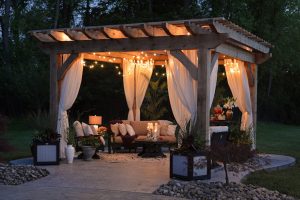
Verandas, porches, and gazebos are primary locations where lantern-style hanging lights are frequently employed. Their overhead suspension provides ambient illumination without obstructing movement or views. For these spaces, consider the height of the fixture to ensure adequate clearance and prevent glare. A single central fixture can provide general lighting, while multiple smaller lanterns can create a more distributed and layered lighting effect, akin to stars across a nocturnal sky. The scale of the fixture should be proportionate to the size of the covered area.
Enhancing Entryways and Gateways
Hanging lanterns at entryways, such as front doors or garden gates, serve both practical and aesthetic purposes. They illuminate the path for visitors and residents, improving safety and visibility at night. Aesthetically, they act as a beacon, guiding the eye and establishing a welcoming atmosphere. When selecting fixtures for entryways, consider their power to project a distinct architectural statement, a visual handshake that introduces the character of the space beyond. Symmetry is often a key consideration here, with two lanterns flanking an entrance creating a balanced and formal appearance.
Defining Outdoor Dining and Seating Areas
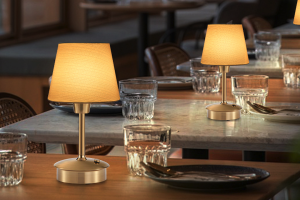
Outdoor dining tables and seating arrangements benefit from well-placed overhead lighting. Lantern-style hanging lights can delineate these social zones, drawing attention to them and providing sufficient illumination for activities such as dining, reading, or conversation. Hanging a lantern directly above a dining table creates a focal point and provides clear, direct light onto the surface, much like a chandelier in an indoor dining room. For seating areas, a softer, more dispersed light may be preferred, perhaps achieved through multiple smaller fixtures or those with frosted glass.
Navigating Pathways and walkways
While often associated with fixed structures, smaller, appropriately scaled lantern-style hanging lights can be used to illuminate pathways or walkways, particularly those beneath pergolas or archways. When using them in this context, ensure sufficient height to avoid head clearance issues and consider the light spread to uniformly illuminate the path without creating harsh dark spots. These fixtures can act as visual breadcrumbs, guiding passage through the landscape. For open pathways, their use may be less practical than ground-level or bollard lighting due to the need for overhead structures.
Installation and Electrical Considerations
Correct installation and adherence to electrical safety standards are paramount for any outdoor lighting project. Due to exposure to elements, outdoor electrical work requires specific considerations beyond indoor installations.
Site Assessment and Planning
Before installation, a thorough site assessment is crucial. Evaluate the structural integrity of the suspension point: whether it’s a sturdy beam, pergola rafter, or specialized support. Consider the distance from the power source and the most efficient and discreet route for electrical wiring. The height of the intended hanging fixture should be determined based on the typical height of individuals who will occupy the space and the desired light distribution. Sketching a lighting plan can aid in visualizing the final arrangement and identifying potential challenges early. This planning phase acts as the architectural blueprint for your lighting scheme.
Wiring and Electrical Connections
Outdoor wiring must comply with local electrical codes, which typically require specific types of wiring and protective conduits. UF (Underground Feeder) cable is often used for outdoor applications due to its moisture resistance. Connections should be made within weather-rated junction boxes, sealed to prevent water ingress. It is advisable to use a Ground Fault Circuit Interrupter (GFCI) protected circuit for all outdoor lighting, which provides an added layer of safety by quickly cutting power in the event of an electrical fault. If you are not experienced with electrical work, consulting or hiring a licensed electrician is strongly recommended to ensure safety and compliance.
Mounting and Suspension Techniques
The method of mounting will depend on the weight of the fixture and the nature of the suspension point. For lighter fixtures, a standard ceiling box and mounting bracket may suffice. Heavier fixtures may require additional structural reinforcement or specialized hooks secured directly into beams. Ensure that the chosen mounting hardware is rated for outdoor use and capable of supporting the fixture’s weight, plus any additional stress from wind. The chain or cable used for suspension should also be weather-resistant and appropriately load-bearing. The process of suspension is akin to hanging a pendulum, ensuring balance and security.
Fixture Height and Spacing
The height at which a lantern-style light is hung significantly impacts its functionality and aesthetic. For general overhead lighting in covered areas, a typical height might place the bottom of the fixture between 7 and 8 feet above the ground, allowing for comfortable passage underneath without obstruction. Above dining tables, the fixture might hang lower, perhaps 30 to 36 inches above the tabletop, to provide direct task lighting without interfering with conversation or sightlines. When using multiple fixtures, spacing them evenly creates a uniform light distribution, while varying spacing can define different zones.
Lighting Technology and Energy Efficiency
Modern lantern-style hanging lights are not solely about aesthetics; they also incorporate advanced lighting technologies that offer improved energy efficiency, longevity, and control.
LED Integration
Light Emitting Diode (LED) technology has become the dominant choice for outdoor lighting due to its numerous advantages. LEDs consume significantly less energy than incandescent or halogen bulbs, resulting in lower electricity bills. They also boast an exceptionally long lifespan, reducing the frequency of bulb replacement, a considerable advantage for fixtures installed at height. Many LED fixtures now offer adjustable color temperature, allowing users to choose between warm white (more traditional, inviting feel) and cool white (brighter, more contemporary) light, creating a tailored ambiance. The integration of LEDs has transformed these lanterns from power-hungry lamps into efficient light sources.
Smart Lighting Systems
The advent of smart home technology has extended to outdoor lighting. Lantern-style hanging lights can be integrated into smart home ecosystems, allowing for remote control via smartphone apps, voice commands, or automated schedules. Features such as dimming capabilities, motion detection, and color-changing options can be controlled precisely. This level of control enhances convenience, security, and the ability to create dynamic lighting scenes for different occasions. Smart lighting acts as an intelligent conductor, orchestrating the nocturnal light symphony.
Solar-Powered Options
For areas where running electrical wiring is impractical or undesirable, solar-powered lantern-style hanging lights offer an alternative. These fixtures incorporate a small solar panel that charges an internal battery during daylight hours, then automatically illuminates the fixture at dusk. While typically providing less intense light than wired options, solar lanterns are entirely self-sufficient and eliminate electricity costs. They are an eco-friendly choice, requiring only ample sunlight for operation. However, their performance can be dependent on local weather conditions and the amount of direct sunlight received.
Maintenance and Longevity
Regular maintenance is crucial for preserving the appearance, functionality, and safety of lantern-style hanging lights. Outdoor fixtures are continuously exposed to environmental elements, necessitating a proactive approach to upkeep.
Regular Cleaning
Dust, dirt, pollen, and cobwebs can accumulate on the exterior of the fixture and on the glass panels, diminishing light output and affecting aesthetics. Periodic cleaning with a soft cloth and mild soapy water can restore the fixture’s appearance and efficiency. Avoid abrasive cleaners or strong chemicals that could damage finishes or etch glass. For stubborn dirt, a gentle brush can be used. This routine cleaning is the constant vigilance against the slow creep of grime.
Inspecting for Wear and Damage
Regularly inspect the fixture for any signs of wear, corrosion, or damage. Check the integrity of the suspension chain or cable, ensuring it remains secure and free from kinks or rust. Examine wiring for fraying, cracking, or exposed sections, which could pose electrical hazards. Look for water ingress or condensation within the glass enclosure, indicating a potential seal failure. Early detection of damage can prevent more significant problems and ensure safety. This inspection is akin to a doctor’s check-up for your outdoor lighting.
Bulb Replacement and Electrical Checks
Even with long-lasting LED bulbs, eventual replacement will be necessary. Always ensure the power to the fixture is turned off at the circuit breaker before attempting any bulb replacement. When replacing bulbs, ensure they are rated for outdoor use and match the wattage or lumen output recommended by the manufacturer. Periodically, especially after severe weather events, it’s advisable to have an electrician confirm the integrity of outdoor electrical connections and grounding, ensuring the system remains safe and operational. These checks are the vital signs of your electrical system.
Protecting Against Environmental Factors
While outdoor fixtures are designed to withstand elements, certain practices can extend their lifespan. In regions with harsh winters, consider bringing more delicate fixtures indoors or covering them with protective bags. For fixtures near saltwater, choose materials specifically resistant to corrosion, such as brass or marine-grade stainless steel. Applying a protective sealant or wax to metal finishes can further enhance their resistance to oxidation and weathering. Proactive measures against the elements serve as a protective shield for your investment.
By carefully considering these aspects—from design and placement to installation, technology, and maintenance—individuals can effectively enhance their outdoor space with lantern-style hanging lights. The careful selection and upkeep of these fixtures contribute to both the immediate enjoyment and the long-term value of an external environment.