Boost Your Mood with Colorful Glass Hanging Lights
Light, a fundamental aspect of human perception, plays a significant role in influencing mood and physiological states. This influence extends beyond mere illumination, impacting circadian rhythms, hormone production, and overall psychological well-being. Different wavelengths of light interact with the human eye and brain, triggering specific responses. For instance, blue light is known to suppress melatonin, promoting alertness, while warmer tones, such as those found in red and orange light, are often associated with comfort and relaxation.
Wavelengths and Their Impact
The visible light spectrum encompasses a range of colors, each with a unique wavelength. These wavelengths interact with photoreceptors in the retina, sending signals to the brain that can influence mood.
- Blue Light: Shorter wavelengths, such as those found in blue light, stimulate intrinsically photosensitive retinal ganglion cells (ipRGCs). These cells are crucial for regulating circadian rhythms and melatonin production. Exposure to blue light Mimaliving, particularly in the morning, can enhance alertness and cognitive function. However, excessive exposure to blue light in the evening can disrupt sleep patterns.
- Green Light: Intermediate wavelengths, like green, are often considered calming. Research suggests that green light therapy can reduce pain and improve sleep quality in some individuals. Its impact on mood is often associated with feelings of balance and harmony.
- Red and Orange Light: Longer wavelengths, such as red and orange, are less likely to disrupt melatonin production. They are frequently used in therapy and relaxation settings due to their association with warmth, comfort, and reduced stress. These colors can evoke feelings of intimacy and coziness.
The Role of Color Psychology
Beyond the physiological effects of specific wavelengths, color psychology explores the psychological and emotional impacts of different hues. While often subjective, cultural associations and personal experiences contribute to how individuals perceive and react to particular colors.
- Warm Colors (Red, Orange, Yellow): These colors are generally perceived as energetic, stimulating, and vibrant. They can evoke feelings of passion, enthusiasm, and happiness. However, excessive exposure to intensely warm colors can also lead to feelings of aggression or overstimulation.
- Cool Colors (Blue, Green, Purple): Cool colors are often associated with calmness, serenity, and relaxation. They can promote feelings of peace, tranquility, and intellectualism. Overuse of cool colors, however, may lead to feelings of coldness or detachment.
- Neutral Colors (White, Black, Gray, Brown): Neutral colors provide balance and a sense of grounding. They can be used to create a sophisticated or minimalist aesthetic. Their impact on mood is often subtle, providing a backdrop for more vibrant elements.
Artistic Expression Through Glass
Glass, as a medium, offers a unique blend of transparency, reflectivity, and color absorption. These properties allow for the manipulation of light in ways that can create diverse visual and emotional effects. Colored glass, in particular, filters and refracts light, projecting hues that can alter the ambiance of a space.
The Craft of Glassblowing
Glassblowing, an ancient art form, involves shaping molten glass using a blowpipe. This technique allows artisans to create intricate forms and imbue glass with various colors. The choice of metallic oxides and other additives during the glassmaking process determines the final color and transparency of the material.
- Metallic Oxides: The addition of various metallic oxides to molten glass creates specific colors. For example, cobalt produces blue, copper and gold can create different shades of red, and iron can yield greens and browns.
- Dichroic Glass: This specialized glass contains multiple micro-layers of metal oxides, allowing it to exhibit different colors depending on the angle of light and viewing perspective. This creates a dynamic and shimmering effect.
- Stained Glass Techniques: Traditional stained glass involves cutting colored glass pieces and joining them with lead came. This technique allows for the creation of intricate patterns and pictorial designs, where each piece of glass contributes its own filtered light.
Light Interaction with Colored Glass
When light passes through colored glass, specific wavelengths are absorbed, and others are transmitted or refracted. This selective filtering process is what gives colored glass its distinct hue. The intensity and direction of the light source also play a crucial role in how the color is perceived.
- Absorption and Transmission: Colored glass absorbs certain wavelengths of light and transmits others. For example, blue glass absorbs most wavelengths except blue, which it transmits, making it appear blue to the observer.
- Refraction: As light passes through glass, it bends or refracts. Irregularities or textures in the glass can further scatter and diffuse light, creating soft, ambient glows or intricate patterns of light and shadow.
- Projection of Color: When illuminated, colored glass “casts” light of its own hue onto surrounding surfaces. This phenomenon can transform a neutral wall into a canvas of color, subtly altering the mood and atmosphere of a room.
Enhancing Interior Spaces with Light
The strategic placement and selection of lighting fixtures can significantly impact the aesthetic and emotional quality of an interior. Colored glass hanging lights, in particular, serve as both functional illumination and decorative elements, capable of transforming the mood of a room.
Ambiance and Mood Creation
Different types of lighting, from bright task lighting to soft ambient glows, can evoke distinct emotional responses. Colored glass hanging lights specialize in creating nuanced atmospheric effects by introducing specific hues into a space.
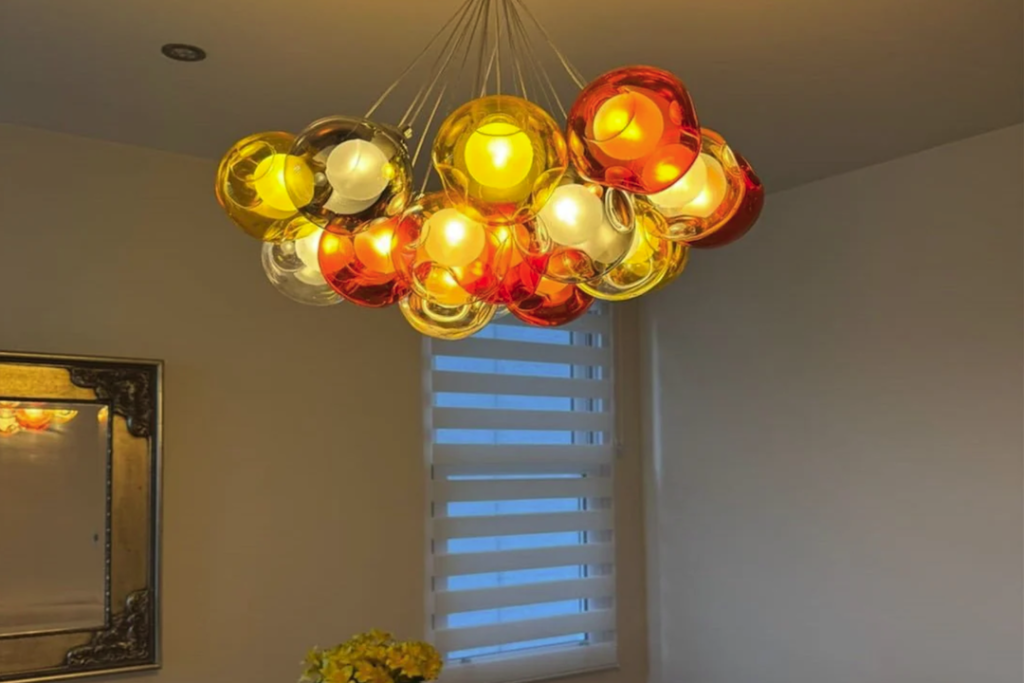
- Warm Tones for Comfort: Hanging lights with red, orange, or yellow glass can imbue a room with a sense of warmth, coziness, and intimacy. This is particularly effective in living rooms, dining areas, or bedrooms where relaxation and social interaction are desired. Imagine a vibrant amber glow as a gentle fireplace, warming the entire space.
- Cool Tones for Serenity: Blue or green glass fixtures can create a calming and serene environment, reminiscent of natural elements like the sky or ocean. These colors are well-suited for spaces intended for contemplation, such as meditation rooms, or for bedrooms to promote restful sleep. Consider a cool blue light as a soft, flowing stream, bringing tranquility.
- Vibrant Hues for Energy: For spaces that require a more dynamic or playful atmosphere, such as creative studios or children’s rooms, a combination of vibrant colored glass can introduce an energetic and imaginative feel. Picture a burst of rainbow colors as scattered confetti, sparking joy.
Architectural Integration
Glass hanging lights can complement various architectural styles, from modern minimalist to traditional and eclectic designs. Their versatility lies in the ability to select colors, shapes, and sizes that harmonize with the existing decor.
- Focal Points: A strategically placed colored glass hanging light can serve as a focal point in a room, drawing the eye and adding an artistic dimension. Its unique form and projected colors can become a central element of the interior design.
- Layered Lighting: Combining colored glass hanging lights with other forms of lighting, such as recessed lighting or table lamps, allows for the creation of layered lighting schemes. This layering provides flexibility in adjusting the mood and functionality of a space throughout the day.
- Size and Scale: The size and scale of the hanging light should be proportionate to the room. A large, dramatic piece can anchor an expansive space, while smaller, more delicate fixtures can add subtle accents to intimate areas.
Practical Considerations for Installation
When incorporating colored glass hanging lights into your space, several practical factors need consideration, from electrical requirements to maintenance. Proper planning ensures both aesthetic appeal and safety.
Electrical Requirements and Safety
All electrical fixtures require careful installation to prevent hazards. Consulting a qualified electrician is often advisable, especially for complex installations.
- Wiring and Voltage: Ensure that the existing electrical wiring can support the wattage of the chosen light fixture. Most residential fixtures operate on standard voltage (e.g., 120V in North America, 230V in Europe). Verify compatibility with the fixture’s specifications.
- Junction Boxes: Hanging lights typically require a ceiling junction box for secure attachment and electrical connection. Ensure the box is properly installed and robust enough to support the fixture’s weight.
- Dimmers: Installing a dimmer switch allows for adjustable light intensity, enhancing mood control and energy efficiency. Not all light bulbs are compatible with dimmers, so verify bulb specifications.
Placement and Height
The placement and height of a hanging light significantly impact its functionality and visual appeal. These factors should be determined based on the room’s purpose and the desired aesthetic.
- Task Lighting: For specific tasks, such as over a kitchen island or a dining table, the light should be hung at a height that provides sufficient illumination without obstructing views or creating glare. A general guideline is 30-36 inches (76-91 cm) above the surface.
- Ambient Lighting: For general room illumination, or to diffuse colored light throughout a space, the hanging light can be positioned higher, allowing its light to spread more broadly.
- Clearance and Traffic Patterns: In areas with high traffic, ensure the light fixture is hung high enough to prevent accidental contact. Consider the height of occupants when planning, ensuring sufficient headroom.
Maintenance and Care
Glass fixtures require periodic cleaning to maintain their aesthetic appeal and light quality. Regular dusting and occasional deeper cleaning prevent the accumulation of dirt and grime, which can dull the glass and impede light transmission.
- Dusting: Use a soft, dry microfiber cloth or a feather duster for regular removal of surface dust.
- Cleaning Solutions: For stubborn dirt or smudges, use a mild glass cleaner or a solution of warm water and a small amount of dish soap. Apply the solution to a soft cloth, rather than directly to the fixture, to avoid damaging electrical components.
- Safety Precautions: Always turn off the power to the fixture before cleaning. Avoid abrasive cleaners or harsh chemicals, as these can scratch or damage the glass. For intricate fixtures, professional cleaning may be considered.
The Psychological Impact of Color and Light
The interplay of color and light is not merely decorative; it has a profound effect on our psychological state, influencing emotions, behavior, and even cognitive function. Understanding these connections allows for intentional design choices that foster well-being.
Modulating Emotional States
Colors are evocative, and their presence, particularly when introduced through filtered light, can actively shape our emotional landscape. This goes beyond subjective preference, tapping into fundamental human responses.
- Stress Reduction: Cool colors, such as specific shades of blue and green, when experienced through gentle, diffused light, are often associated with environments conducive to relaxation and stress reduction. They can act as a cooling balm, easing mental tension. Think of a soft azure light washing over a room, akin to a serene twilight sky.
- Increased Energy and Alertness: Conversely, vibrant, warmer hues like orange and yellow, delivered through focused light, can stimulate alertness and a sense of vitality. This can be beneficial in areas where activity and engagement are desired, such as a breakfast nook or a creative workspace. Imagine a bright, sunny yellow glow as a morning beacon, energizing the spirit.
- Enhancing Focus and Concentration: Nuanced colors, particularly certain greens or muted blues, integrated into a lighting scheme, are sometimes employed in environments where concentration is key. These colors are believed to minimize distraction and promote a sense of calm focus, allowing the mind to settle. Picture a balanced emerald light as a quiet forest canopy, aiding contemplation.
Influence on Social Interaction
The lighting and color scheme of a space can significantly impact how individuals interact within that environment, influencing perceptions of intimacy, formality, and invitation.
- Promoting Intimacy and Connection: Warmer, softer colored lights can create an atmosphere that feels more intimate and inviting, encouraging closer social interaction. This is often leveraged in dining areas or lounges where engaging conversation is desired. A deep crimson light, for example, can act like a warm embrace, drawing people closer.
- Defining Boundaries and Formality: Cooler or more neutral lighting, particularly when brighter, can define a space with a sense of clarity and formality. This can be appropriate for professional settings or areas where a more structured interaction is intended. A crisp, cool blue light might suggest a spacious, open hall, fostering a sense of order.
- Creating a Welcoming Atmosphere: A thoughtful combination of colors, perhaps a warm entryway leading into a calming living area, can craft a progression of moods, subtly guiding people through a space and making them feel more at ease. This orchestration of light acts as a subtle narrator, telling the story of the space.
Cognitive Impact
Beyond emotional responses, the spectrum of light we are exposed to can influence cognitive processes, including creativity and problem-solving.
- Stimulating Creativity: Environments rich in varied and unusual colors, when presented through artistic lighting fixtures, can potentially act as a muse, encouraging imaginative thought and novel ideas. The unexpected wash of a vibrant purple or an iridescent green light might disrupt conventional thinking patterns. Consider a dynamic interplay of colors as a kaleidoscope of ideas, sparking new perspectives.
- Improving Productivity: Specific light conditions, such as those that mimic natural daylight, have been linked to improved cognitive performance and a reduction in errors. While colored glass lights typically filter the full spectrum, understanding how they complement a broader lighting strategy is key. A balanced, consistent green light, for instance, could provide a gentle, non-distracting background for sustained work.
- Reducing Eye Strain: Poor lighting, or lighting with excessive glare, can lead to eye strain and headaches. Colored glass lights, acting as diffusers, can soften incoming light, reducing harshness and promoting a more comfortable visual experience. A frosted amber globe, for example, can diffuse a bright bulb, turning harsh light into a mellow glow.