Enhance Your Garden Entrance with Waterproof Pillar Lights
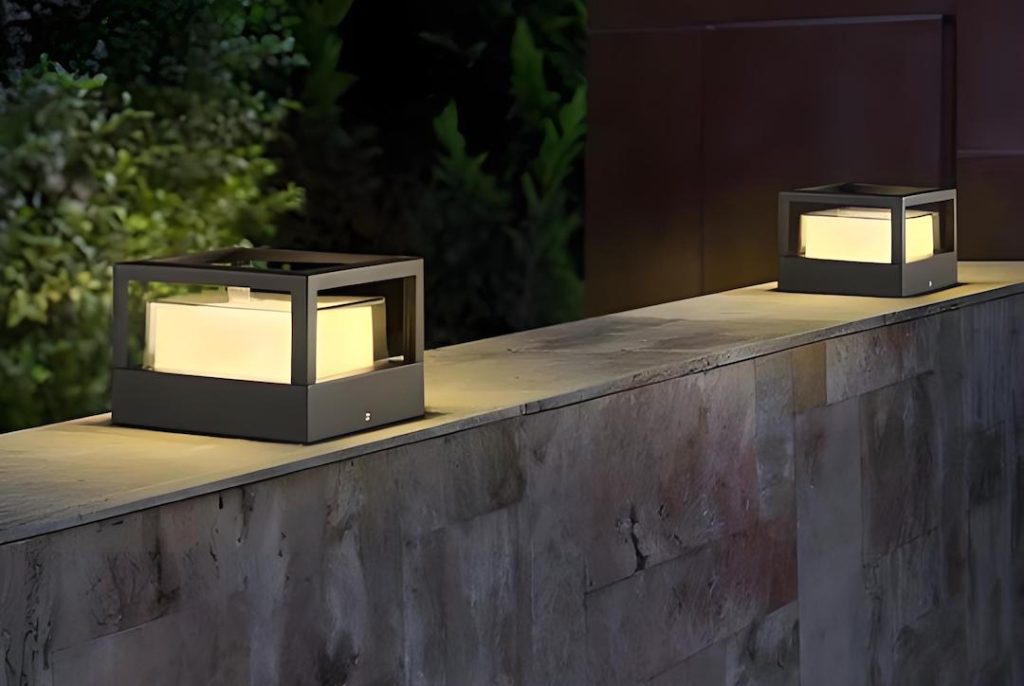
Adding waterproof pillar lights to your garden entrance isn’t just about aesthetics; it’s a practical step towards improving visibility, security, and making your home feel more welcoming. Essentially, these lights illuminate your entryway, define your property lines at night, and deter potential intruders, all while enduring the elements.
When you’re thinking about outdoor lighting Ninpodesign, durability is key. These aren’t just any lights; they’re specifically designed to withstand rain, snow, and even the occasional splash from a hose. This means less worry for you and a longer lifespan for your investment.
Built to Last
Outdoor environments are tough. Standard indoor lights wouldn’t stand a chance. Waterproof pillar lights are built with materials like corrosion-resistant aluminum, stainless steel, or durable plastics. Their electrical components are sealed to prevent water ingress, which is crucial for safety and longevity. This design means they can handle everything from a gentle drizzle to a torrential downpour without skipping a beat.
Enhanced Security
A well-lit entrance is a deterrent. Criminals prefer to operate in the dark, where they can avoid detection. Bright pillar lights eliminate shadows and dark corners, making your property less appealing to those with ill intentions. It’s a simple, passive security measure that works 24/7.
Increased Visibility
Navigating a dark garden path can be tricky, especially for guests or if you’re carrying groceries. Pillar lights illuminate the path, making it safer to walk to and from your doorstep. They can highlight steps, changes in elevation, or decorative features, preventing accidental trips and falls.
Choosing the Right Style for Your Home
Pillar lights come in a huge variety of styles, so finding one that complements your home’s existing aesthetic shouldn’t be too difficult. The goal is to blend functionality with your personal design preferences.
Modern and Minimalist
If your home has clean lines and a contemporary feel, look for pillar lights with sleek designs. Think geometric shapes, brushed metals, or black finishes. These lights often feature LED technology, which offers a crisp, cool white light that suits a modern aesthetic. They tend to be less ornate, focusing on form and function.
Traditional and Classic
For homes with a more classic or rustic architectural style, lantern-style pillar lights or those with intricate detailing can be a good fit. Bronze, copper, or wrought iron finishes can add to the traditional charm. Warm white light, often from incandescent or specific LED bulbs, can enhance this feel. Consider elements like seeded glass or decorative filigree to tie into older architectural styles.
Transitional Styles
Sometimes, your home might not fit neatly into one category. Transitional pillar lights offer a balance between modern and traditional elements. They might have simpler lines than a traditional lantern but still incorporate some decorative touches. These are versatile options that can work with a wider range of home styles, providing a harmonious transition between different design elements.
Installation Considerations: Getting it Right
While the concept of adding pillar lights is straightforward, proper installation ensures safety, optimal performance, and adherence to local regulations. It’s often best to consult with or hire a qualified electrician.
Electrical Connections and Wiring
Outdoor lighting requires specific electrical considerations. Wiring needs to be buried at a safe depth and housed in conduit to protect it from moisture and physical damage. Connections must be weatherproofed to prevent short circuits and electrical hazards. Understanding your home’s existing electrical capacity and ensuring your new lights don’t overload the circuit is paramount.
Placement for Maximum Impact
Think about where the lights will be most effective. Do you want to illuminate the entire pathway, or just the entrance gate? Spacing them evenly along a path creates a welcoming glow, while strategically placing them near key features like steps or turning points enhances safety. Consider how the light will cast shadows and if that effect is desirable or if it creates new dark spots.
Power Source Options
You have a few choices for how your pillar lights get their power.
Hardwired Systems
This is the most common and robust option. Hardwired lights are connected directly to your home’s electrical system, providing consistent and reliable illumination. This usually involves digging trenches for wiring and connecting to an existing power source, often on a separate circuit breaker for outdoor lighting. While more involved to install initially, they offer the most dependable performance.
Solar-Powered Lights
For a less invasive installation, solar pillar lights are a good alternative. They absorb sunlight during the day and automatically turn on at dusk. While convenient and energy-efficient, their performance can be dependent on sunlight exposure. In prolonged cloudy weather, they might not charge sufficiently, leading to dimmer or shorter illumination times. They are best suited for areas that receive ample direct sunlight throughout the day.
Low Voltage Systems
These systems use a transformer to reduce your household voltage to a safer, lower voltage (typically 12 or 24 volts). This makes the wiring less hazardous and easier to install yourself compared to hardwired systems. However, low-voltage systems often have a maximum cable run length or a limited number of fixtures they can power effectively without voltage drop issues. They offer a good balance of safety and effective illumination for many garden entrances.
Maintenance and Longevity: Keeping Them Shining Bright
While waterproof pillar lights are designed for durability, a little consistent care goes a long way in ensuring they continue to perform optimally and look good for years to come.
Regular Cleaning
Dust, dirt, pollen, and even insect buildup can dull the light output and make your fixtures look grimy. A simple wipe-down with a damp cloth every few months is usually sufficient. For more stubborn grime, a mild soap solution can be used, followed by a rinse and dry. Avoid abrasive cleaners that could damage the finish.
Checking for Damage
Periodically inspect the fixtures for any signs of wear and tear. Look for cracks in the casing or lens, corrosion on metal parts, or frayed wiring (especially if using a low-voltage system with above-ground wires). Addressing minor issues early can prevent them from becoming larger, more costly problems. Pay attention to the seals on waterproof fixtures; if they appear compromised, they may need to be resealed or the fixture replaced to maintain its water resistance.
Bulb Replacement and Upgrades
Even with long-lasting LED bulbs, they will eventually need to be replaced. Keep spare bulbs on hand that match the specifications of your fixtures. If you’re using older halogen or incandescent bulbs, consider upgrading to LED. LEDs consume significantly less energy, last much longer, and often offer a wider range of color temperatures to suit your preference. Always ensure replacement bulbs are suitable for outdoor use and rated for the fixture’s wattage.
Enhancing Functionality and Aesthetics
Beyond just providing light, these pillar lights can contribute significantly to the overall feel and utility of your garden entrance.
Creating Ambiance
Light isn’t just about seeing; it’s about feeling. The right lighting can transform a stark entrance into a warm, inviting space. Consider the color temperature of the light – warm white (around 2700K-3000K) tends to be more inviting and cozy, while cooler whites (3500K-5000K) are brighter and more modern. Strategically placed lights can highlight architectural features, planters, or unique landscaping elements, adding depth and interest to your entrance at night.
Smart Lighting Integration
Many modern pillar lights can be integrated into smart home systems. This opens up a world of control and customization.
Timers and Scheduling
Set your lights to turn on automatically at dusk and off at dawn, or create custom schedules based on your routine. This ensures your entrance is always lit when needed and saves energy when it’s not. No more forgetting to turn them on or off.
Motion Sensors
For an added layer of security and convenience, integrate motion sensors. The lights can automatically brighten when someone approaches, illuminating the path and potentially deterring unwanted visitors. This is also useful for energy saving, as the lights are only at full brightness when actively needed.
Dimming Capabilities
Adjust the brightness of your lights to suit the occasion. You might want them brighter for security or for entertaining guests, and dimmer for a more subtle ambient glow. Dimming can also extend the life of your bulbs and reduce energy consumption.
Design Cohesion
Make sure your pillar lights don’t look like an afterthought. They should visually connect with other outdoor lighting fixtures, such as wall sconces near your front door or path lights further into the garden. Consistency in style, finish, and light temperature helps create a unified and polished look for your entire outdoor space. Think about how the lights appear during the day as well – they should blend seamlessly with your landscaping and architectural elements.
In wrapping up, waterproof pillar lights are more than just functional fixtures. They’re an integral part of your home’s exterior, offering practical benefits in terms of safety and visibility, while also providing a significant boost to your property’s curb appeal and overall ambiance. Taking the time to choose the right style, ensuring proper installation, and performing routine maintenance will ensure these lights continue to serve you well for years to come.