
Enhance Your Home Security with Smart Motion Sensor Porch Light
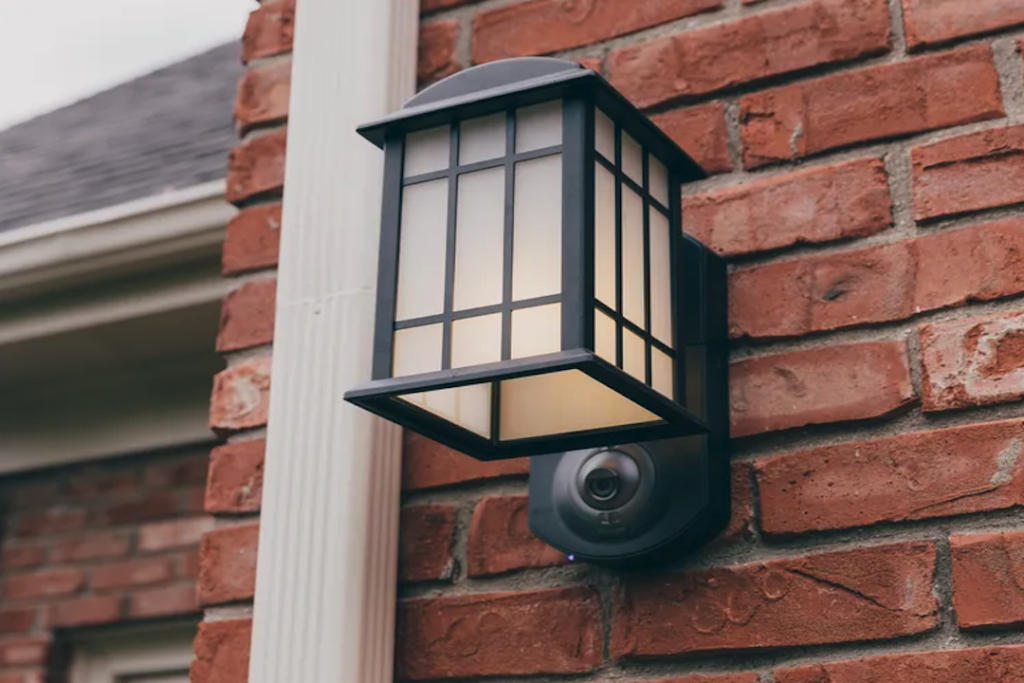
For home security, a smart motion sensor porch light acts as a primary deterrent and an informational tool. Integrating motion sensing capabilities with networked functionalities, these devices offer a layer of protection beyond traditional lighting. Their utility extends beyond simple illumination, contributing to a more proactive security posture for residential properties. This article explores the architecture, functionality, and benefits of these systems, providing a comprehensive overview for homeowners considering their implementation.
A smart motion sensor porch light Yeebu comprises several interconnected technologies working in concert. Understanding these components is fundamental to appreciating the system’s capabilities.
Motion Sensor Technology
The “motion sensor” is the device’s primary detection mechanism. Most commonly, these lights employ passive infrared (PIR) sensors.
- Passive Infrared (PIR) Sensors: PIR sensors detect changes in infrared radiation emanating from objects. Human bodies and animals emit infrared light. When a warm body moves into the sensor’s field of view, it causes a rapid change in the infrared pattern detected, triggering the light. PIR sensors are generally reliable and consume minimal power.
- Microwave Sensors: Less common in porch lights due to higher cost and potential for interference, microwave sensors emit microwave radiation and detect changes in the reflected signal. They can detect motion through non-metallic objects (e.g., thin walls), which can be both an advantage and a disadvantage depending on the desired detection zone.
- Dual Technology Sensors: Some advanced systems combine PIR and microwave technologies. This approach aims to reduce false alarms by requiring both sensors to detect movement simultaneously, acting as a stricter gatekeeper.
Lighting Mechanisms
The “light” component often utilizes energy-efficient light sources.
- LED Technology: Light Emitting Diodes (LEDs) are the prevalent choice for smart porch lights. They offer high luminosity, long lifespan, and low energy consumption compared to incandescent or fluorescent bulbs. This makes them ideal for applications meant to be active for extended periods or triggered frequently.
- Brightness and Color Temperature: Smart lights often allow for adjustable brightness, enabling a dim ambient light during quiescent periods and a full flood upon detection. Some models also offer tunable white light (changing from warm white to cool white) or even full RGB color options, enhancing both utility and aesthetic appeal.
Smart Connectivity
The “smart” aspect introduces network capabilities, elevating the light from a standalone device to an integrated system.
- Wi-Fi Connectivity: Many smart porch lights connect directly to your home’s Wi-Fi network. This allows for control via smartphone applications, integration with other smart home devices, and remote access. Wi-Fi offers widely available infrastructure but can sometimes be susceptible to network congestion or range limitations.
- Zigbee or Z-Wave Protocols: Some systems utilize Zigbee or Z-Wave, low-power mesh networking protocols specifically designed for smart home devices. These protocols often require a dedicated hub, which acts as a bridge between the devices and your home network. While adding a hub, these protocols can offer better reliability and extend the network’s reach by allowing devices to relay signals.
- Bluetooth: Less common for primary connectivity due to limited range, Bluetooth might be used for initial setup or for localized control within a close proximity to the light.
Functional Enhancements and Benefits
The integration of these core components yields a range of practical enhancements for home security and convenience.
Deterrence of Intruders
A primary function of motion sensor lighting is active deterrence. An unexpected bright light can disrupt an intruder’s cover of darkness.
- Sudden Illumination: The unexpected activation of a powerful light upon approach can startle potential intruders, acting as a psychological barrier. It signals that the property is not unmonitored.
- Visibility for Surveillance: When connected to a smart home system, the light can trigger a network camera to begin recording, or illuminate the scene for existing cameras. This creates a more detailed visual record for investigation. The light acts as an opening curtain, revealing the stage to your cameras.
Enhanced Awareness and Notification Systems
Beyond visual deterrence, smart features provide actionable information.
- Real-time Alerts: Upon detecting motion, the system can send notifications to your smartphone or other connected devices. This immediate alert allows you to assess the situation quickly, regardless of your physical location.
- Customizable Detection Zones: Advanced systems allow you to define specific areas within the sensor’s field of view that should trigger an alert. This can reduce false alarms from passing vehicles or neighborhood pets, focusing the sensor’s “vision” on critical areas like your porch itself.
- Activity Logs and Analytics: Many apps provide a log of motion events, including timestamps. Over time, this data can reveal patterns of activity around your home, offering insights into routines or potential vulnerabilities. It’s like having a silent, digital watchman keeping a ledger of all who approach.
Integration with Smart Home Ecosystems
The “smart” aspect truly shines when these lights become part of a larger interconnected network.
- Interoperability: Smart porch lights can often integrate with various smart home platforms (e.g., Amazon Alexa, Google Home, Apple HomeKit, Samsung SmartThings). This allows for centralized control and automation.
- Automated Responses: An integrated system can link the porch light’s activation to other security measures. For example, motion detection could not only turn on the porch light but also:
- Trigger indoor lights to simulate occupancy.
- Activate an alarm siren, sending an audible warning throughout the property.
- Record video from connected security cameras.
- Lock smart doors when motion is detected during specific hours.
Energy Efficiency and Convenience
Smart motion sensor lights also offer tangible benefits in terms of energy management and user convenience.
- Reduced Energy Consumption: By only illuminating intensely when needed, these lights consume less energy than traditional lights left on continuously. They are not merely on/off switches; they are intelligent gatekeepers of light.
- Scheduled Operation: Users can program the lights to operate on specific schedules, dimming at certain times or only activating motion detection during evening hours. This customization prevents unnecessary illumination during daylight.
- Remote Control: The ability to control the light remotely via a smartphone app offers convenience. You can turn the light on manually if you’re expecting guests, or flash it if you need to draw attention to your property.
Installation and Configuration Considerations
Implementing a smart motion sensor porch light requires attention to both physical installation and software configuration.
Physical Installation
Safety and optimal performance hinge on proper physical setup.
- Power Source: Most smart porch lights connect to existing electrical wiring for outdoor light fixtures. If you are not comfortable working with electrical circuits, consult a qualified electrician. It is crucial to turn off power at the circuit breaker before beginning any electrical work.
- Mounting Height and Location: The height and angle of installation significantly impact the sensor’s coverage. Typically, mounting at 6-10 feet (1.8-3 meters) above the ground provides optimal detection range. Avoid aiming the sensor at reflective surfaces that could cause false triggers.
- Sensor Coverage Area: Understand the sensor’s field of view (often measured in degrees and distance). Ensure it covers the desired approach areas (e.g., pathway, stairs, entryway) without encompassing areas prone to frequent, non-threatening motion (e.g., a busy street). The sensor is your home’s peripheral vision; ensure it sees what matters.
- Weatherproofing: Outdoor light fixtures must be rated for outdoor use and be weatherproof (e.g., IPX4 or higher). Proper sealing and installation prevent moisture ingress, which can damage internal electronics.
Network Configuration
Connecting the light to your home network establishes its “smart” capabilities.
- Wi-Fi Signal Strength: Ensure a strong Wi-Fi signal at the installation location. If the signal is weak, consider a Wi-Fi extender or a mesh network system to improve connectivity. A weak signal is like a whisper trying to cross a vast chasm – you need a clear, strong voice.
- Router Compatibility: Most smart devices are compatible with standard home Wi-Fi routers. However, some may require specific router settings (e.g., 2.4 GHz band only). Consult the manufacturer’s instructions.
- App Installation and Setup: Download the accompanying smartphone application. Follow the in-app instructions for pairing the light with your network and configuring its settings. This typically involves placing the light in pairing mode and entering your Wi-Fi credentials.
- Firmware Updates: Regularly check for and install firmware updates. These updates often introduce new features, improve performance, and patch security vulnerabilities. Neglecting updates is like leaving a door unlocked for potential digital intruders.
Potential Challenges and Mitigations
While beneficial, smart motion sensor porch lights are not without potential challenges. Understanding these can help in effective deployment and troubleshooting.
False Alarms
The bane of any security system, false alarms can lead to complacency or annoyance.
- Environmental Factors: Moving tree branches, animals (strays, deer, etc.), sudden temperature changes, or even strong winds can trigger PIR sensors.
- Reflective Surfaces: Sunlight reflecting off shiny objects, or even heat from a nearby exhaust vent, can sometimes trigger sensors.
- Mitigation Strategies:
- Adjust Sensitivity: Many smart lights allow for sensitivity adjustments within the app. Lowering sensitivity can reduce false positives.
- Define Zones: Utilize features for defining specific detection zones to exclude problematic areas.
- Placement Optimization: Re-evaluate the mounting angle and location to minimize exposure to common false alarm triggers.
- Dual Technology Sensors: If recurring issues persist, consider lights with dual-technology sensors.
Connectivity Issues
Poor network connection can render a smart device “dumb.”
- Wi-Fi Dead Zones: Areas with weak or no Wi-Fi signal.
- Network Congestion: Too many devices on the same network can slow down communication.
- Router Problems: Outdated or malfunctioning router.
- Mitigation Strategies:
- Wi-Fi Extenders/Mesh Networks: Boost signal strength to the porch light’s location.
- Router Upgrade: Consider a newer router with better range and capacity.
- Channel Optimization: Adjust Wi-Fi channels on your router to reduce interference from neighboring networks.
- Check for Obstructions: Physical obstructions (walls, metal objects) can impede Wi-Fi signals.
Privacy and Security Concerns
As with any networked device, privacy and security are paramount.
- Data Collection: Smart devices often collect usage data. Understand the manufacturer’s privacy policy regarding data storage and sharing.
- Vulnerability to Hacking: Weak authentication or unpatched firmware can make devices vulnerable to cyberattacks.
- Mitigation Strategies:
- Strong Passwords: Use complex, unique passwords for Wi-Fi networks and device accounts.
- Enable Two-Factor Authentication (2FA): If available, 2FA adds an extra layer of security.
- Regular Firmware Updates: Keep the device’s software up to date to patch known vulnerabilities.
- Network Segmentation: For advanced users, consider segmenting your smart home devices onto a separate network (VLAN) to contain potential breaches.
- Choose Reputable Brands: Opt for products from established manufacturers with a strong track record in security.
Future Developments
The landscape of smart home technology is dynamic, and motion sensor porch lights are no exception.
Advanced Sensor Integration
Beyond PIR and microwave, devices might incorporate ultrasonic sensors for finer grain detection or even integrate with radar technologies for more precise motion tracking and object classification.
Artificial Intelligence and Machine Learning
On-device AI could enable more sophisticated object recognition, differentiating between humans, animals, or vehicles, further reducing false alarms and providing more contextual alerts. This AI could learn patterns of activity, distinguishing between a routine delivery and an unusual presence.
Edge Computing
Processing data directly on the device (“edge computing”) rather than sending it all to the cloud can improve response times, reduce reliance on internet connectivity, and enhance privacy, as less raw data leaves the local network.
Enhanced Interconnectivity Standards
Further development of universal smart home communication standards could lead to even more seamless integration between devices from different manufacturers, creating a more cohesive and robust security ecosystem.
Conclusion
A smart motion sensor porch light serves as a versatile and often essential component of a contemporary home security system. By combining intelligent detection with networked capabilities, these devices transcend traditional lighting, offering deterrence, enhanced awareness, and seamless integration with broader smart home ecosystems. While challenges such as false alarms and connectivity issues exist, careful installation, configuration, and ongoing maintenance can mitigate these. As technology advances, these lights will likely become even more sophisticated, offering increasingly advanced features for protecting residential properties. For homeowners seeking to strengthen their security perimeter, a smart motion sensor porch light represents a measured and effective investment.