Golden Hour: Sunset-Inspired Home Decor Therapy
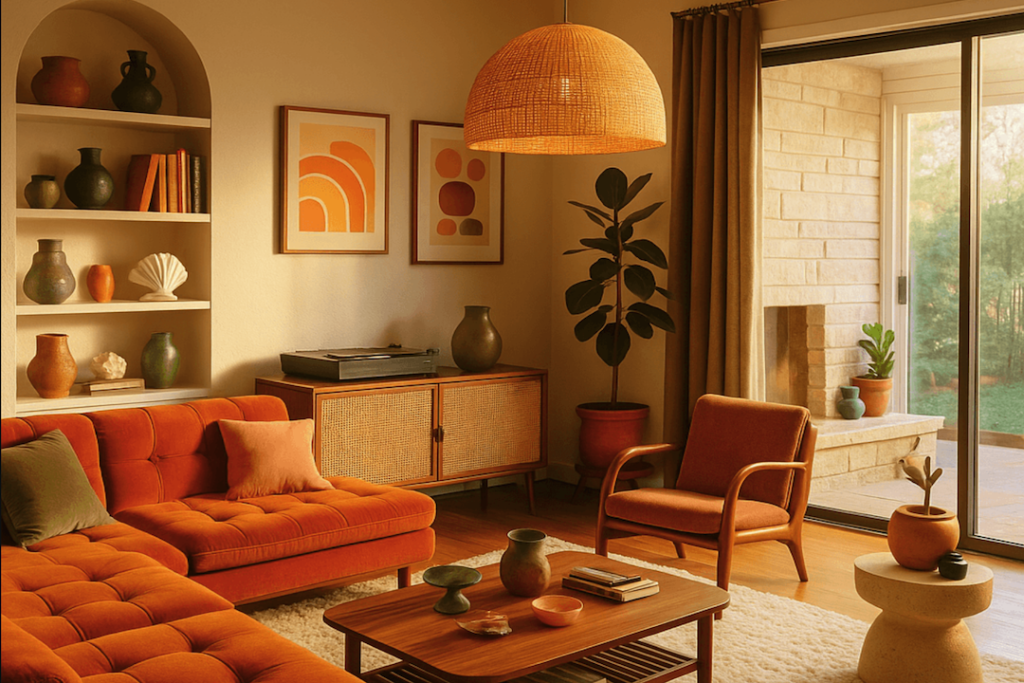
The aesthetic concept of “golden hour” in photography, characterized by a specific period shortly after sunrise or before sunset, has transitioned from a visual phenomenon to an influential trend in interior design. This therapeutic approach to home decor aims to replicate the warm, soft, and diffused light of golden hour within living spaces, fostering a sense of comfort, tranquility, and well-being.
Light, a fundamental element of our environment, significantly impacts human physiology and psychology. Beyond its practical function of illumination, light cues our circadian rhythm, affecting sleep-wake cycles, hormone production, and overall mood.
Circadian Rhythms and Well-being
The human body’s internal clock, known as the circadian rhythm, is primarily regulated by light Sktong exposure. Exposure to bright, blue-rich light during the day signals alertness, while the absence of such light and the presence of warmer tones in the evening promotes relaxation and prepares the body for sleep. Disruptions to this natural light cycle, such as excessive exposure to artificial light at night, can lead to sleep disturbances, mood disorders, and other health issues. Golden hour decor, by its very nature, seeks to align our indoor environments with these natural light cycles, offering a gentle transition from day to night.
The Psychological Impact of Warm Tones
Different light temperatures and colors evoke distinct psychological responses. Cooler tones, like blues and greens, are often associated with calmness and freshness but can also feel sterile or distant. Conversely, warmer tones, such as yellows, oranges, and reds, are linked to feelings of warmth, comfort, and sociability. The particular combination of colors present during golden hour – a spectrum rich in ochres, ambers, and muted golds – is inherently comforting and inviting. These tones act as a visual embrace, transforming a sterile room into a sanctuary.
Replicating Golden Hour: Color Palettes and Materials
Translating the fleeting beauty of golden hour into a permanent decor scheme requires a careful selection of colors, textures, and materials. The goal is not a literal recreation of a sunset, but an evocation of its characteristics. Think of it as capturing the essence of that specific moment and embedding it into your living space.
Dominant Color Palettes
The core of golden hour decor lies in its color scheme. Consider hues such as:
- Muted Yellows: Not bright, primary yellow, but softer, more earthy tones like ochre, mustard, and flax. These provide the underlying warmth.
- Soft Oranges: Ranging from terracotta and burnt orange to peach and apricot. These infuse a sense of vibrancy without being overwhelming.
- Warm Neutrals: Cream, beige, and sand act as grounding elements, preventing the space from feeling too saturated or cloying. These are the canvases upon which the warmer hues are painted.
- Subtle Pinks and Corals: Used sparingly, these can add a delicate, ethereal quality, reminiscent of the fainter hues observed at the very edge of the sun’s descent.
Avoid stark whites or cool grays as primary colors, as these can counteract the desired warmth. Instead, integrate them as subtle accents if necessary, perhaps in patterns or small decorative items.
Textural Elements and Natural Materials
Texture plays a crucial role in enriching the aesthetic and tactile experience of golden hour decor. Much like a sunset, which has both smooth and rugged elements (clouds, horizons), your space should offer a variety of sensations.
- Soft Textiles: Embrace materials like brushed cotton, linen, velvet, and chunky knits for throws, cushions, and upholstery. These absorb light, creating a perceived softness and depth.
- Natural Woods: Light to medium-toned woods, such as oak, maple, or pale walnut, integrate seamlessly, providing organic warmth and a connection to nature. Avoid dark, heavy woods that can absorb too much light.
- Ceramics and Earthenware: Vases, planters, and decorative bowls in matte or unglazed finishes and earthy tones reinforce the organic, grounded feel. These elements echo the landscape beneath a glowing sky.
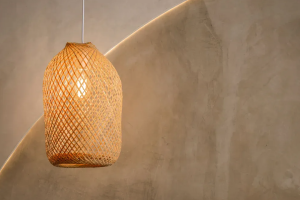
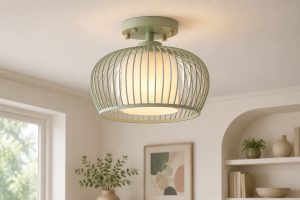
- Woven Materials: Rattan, wicker, and jute can introduce a rustic yet sophisticated touch, adding another layer of texture and visual interest. Consider baskets, rugs, or light fixtures crafted from these materials.
These materials, when combined, create a layered environment that is both visually stimulating and physically comforting.
Strategic Lighting for Ambience
Lighting is arguably the most critical component in recreating the golden hour effect. It’s not just about illumination; it’s about shaping the mood and atmosphere of the room. Think of light as a sculptor, capable of carving out feelings and emotions in space.
Layered Lighting Techniques
Reliance on a single overhead light source is detrimental to achieving the desired ambiance. Instead, employ a layered lighting strategy:
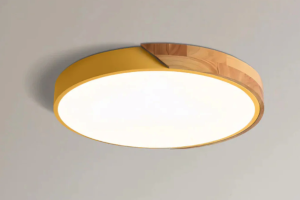
- Ambient Lighting: This acts as the general illumination. Rather than bright overhead fixtures, opt for dimmer-controlled ceiling lights or strategically placed floor lamps with warm-toned bulbs. The goal is a soft glow, not intense brightness.
- Task Lighting: While functional, task lights can also contribute to the golden hour aesthetic. Desk lamps or reading lights should emit warm, focused beams. Consider designs that direct light downwards or upwards to create interesting shadows.
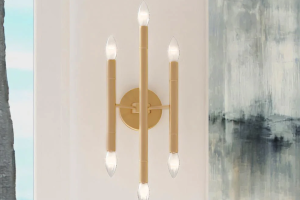
- Accent Lighting: This is where you can truly mimic the nuances of golden hour. Use small table lamps, picture lights, or LED strips to highlight architectural features, artwork, or decorative objects. Battery-operated string lights or fairy lights, particularly those with a warm white or amber glow, can create a magical, diffused effect, mimicking the shimmering quality of golden light.
Bulb Selection and Temperature
The color temperature of light bulbs is paramount. Avoid cool-toned or blue-rich LEDs.
- Warm White (2200K-3000K): These bulbs emit a soft, yellowish-white light reminiscent of incandescent bulbs. They are ideal for creating a cozy, inviting atmosphere.
- Dimmable Options: Invest in dimmable bulbs and switches for all light sources. The ability to adjust light intensity is crucial for transitioning the room’s mood throughout the day and evening, much like the sun’s natural progression.
Consider smart lighting systems that allow you to program warm light cycles to automatically dim and shift color temperature as night approaches, further aligning your home with natural rhythms.
Furniture and Layout: Embracing Comfort
The arrangement and selection of furniture should complement the warm, inviting nature of golden hour decor. This is about creating spaces that encourage relaxation, conversation, and connection.
Soft Furnishings and Plush Seating
Prioritize comfort in your seating arrangements.
- Deep Sofas and Armchairs: Opt for generous, oversized furniture with soft, inviting upholstery. Think of sink-into comfort, like settling into a cloud bathed in warm light.
- Ample Cushions and Throws: These are not merely decorative but functional elements that enhance comfort and contribute to the layered texture of the space.
- Poufs and Ottomans: These versatile pieces can serve as extra seating, footrests, or small tables, adding to the informal and relaxed atmosphere.
Choose fabrics in your golden hour color palette – muted yellows, soft oranges, warm neutrals – to create a cohesive and enveloping feel.
Creating Cozy Zones and Flow
Think about how you want to use the space and design for distinct zones.
- Conversation Nooks: Arrange seating to facilitate intimate conversations. Two armchairs facing each other beside a small side table or a sofa with complementary chairs can define such a space.
- Reading Corners: A comfortable armchair with a warm-toned floor lamp and a small table for a book and a drink creates an inviting reading haven.
- Open, Uncluttered Pathways: While creating cozy zones, ensure that the overall layout maintains a sense of flow and spaciousness. Avoid overcrowding the room with too much furniture. A sunset feels vast, and your space should retain a sense of breathable openness.
The goal is to invite individuals to linger, to unwind, and to feel completely at ease within the environment.
Botanical Inclusion and Art: Natural Touches
Integrating natural elements and thoughtfully selected art pieces can deepen the golden hour aesthetic, grounding the space in nature and providing visual focal points.
Greenery and Dried Botanicals
Plants bring life and organic texture to any space.
- Live Plants: Choose plants with soft, broad leaves or those that offer a warm green hue. Consider plants like olive trees, fiddle-leaf figs (if space permits), or smaller varieties like ZZ plants or snake plants that are relatively low maintenance. Their presence links the indoor environment to the outdoor, mimicking the earth beneath a golden sky.
- Dried Florals and Grasses: Pampas grass, dried eucalyptus, wheat, and other dried botanicals in warm, earthy tones enhance the rustic and timeless feel. They maintain their beauty without the need for constant care and provide a subtle textural contrast. Arrange them in ceramic or terracotta vases for a cohesive look.
Art and Decorative Objects
Art should resonate with the overall theme, providing visual interest without overwhelming the senses.
- Abstract Art: Pieces with warm color palettes – washes of yellow, orange, cream, and soft browns – can evoke the diffused light and subtle shifts of a sunset.
- Landscape Photography/Paintings: Select art depicting serene landscapes, hazy horizons, or natural scenes bathed in warm light. Avoid overly bright or stark imagery.
- Earthy Sculptures and Ceramics: Hand-crafted pottery, wooden sculptures, or woven wall hangings can add an artisanal touch and reinforce the connection to natural materials.
- Mirrors: Strategically placed mirrors can reflect natural light and artificial warm light, enhancing the luminosity of the room and extending the feeling of spaciousness, much like a reflective body of water at sunset.
Each decorative element should feel intentional, contributing to the overall sense of warmth and tranquility.
Conclusion: A Therapeutic Interior
The application of golden hour principles to home decor is more than a fleeting trend; it is a conscious effort to design spaces that actively contribute to well-being. By carefully orchestrating color, texture, lighting, and layout, you are not merely decorating a room; you are crafting an environment that speaks to our innate need for comfort, calm, and connection to the natural world.
Think of your home as a canvas, and the golden hour as the palette. When you step into a room imbued with this aesthetic, you should feel a release, a gentle lowering of the shoulders, and an immediate sense of peace. It’s about creating a personal sanctuary, a space where the stresses of the outside world slowly dissipate, much like the sun dipping below the horizon, leaving behind only the warm embrace of twilight. This therapeutic approach transforms a house into a haven, fostering an environment where both body and mind can truly rest and rejuvenate.